
15分钟优质生活圈

Search documents
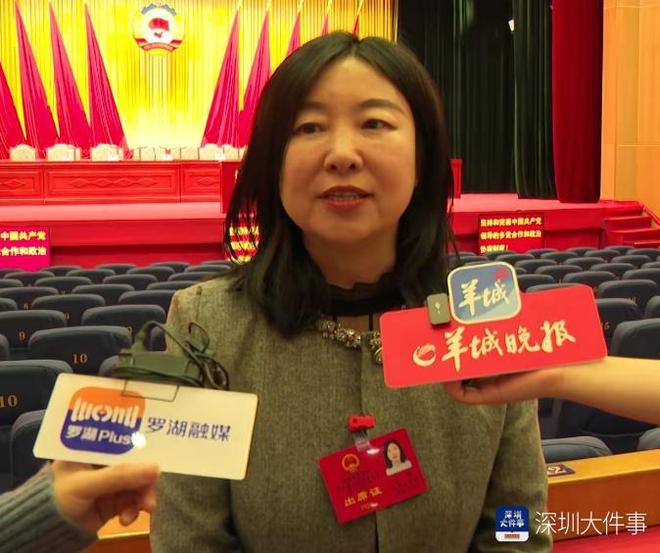
代表说 王红:罗湖助企惠企有实招 政策红利支撑产业发展
Nan Fang Du Shi Bao· 2026-01-27 15:50
Core Insights - The article highlights the significant progress made by the Luohu District in Shenzhen in building a comprehensive enterprise service system, particularly through the implementation of the "One Enterprise, One Policy" precision service mechanism, which has improved business efficiency [1][3]. Group 1: Policy and Economic Development - The district's "No. 1 Document" emphasizes the acceleration of emerging industries, particularly the life and health industry, which presents new opportunities for pharmaceutical and related sectors [3]. - The introduction of supportive policies, talent recruitment, and platform construction aims to create a better environment for business development [3]. - Continuous policy benefits will enhance project applications and tax support for enterprises, fostering a collaborative industrial ecosystem that expands market opportunities [3]. Group 2: Cultural and Ecological Resources - Luohu's unique blend of natural resources and historical culture, including the Wutong Mountain and Shenzhen Reservoir, contributes to its ecological and cultural appeal [4][5]. - Suggestions for utilizing ecological resources include developing tourism around Wutong Mountain and enhancing cultural heritage through digital experiences and immersive activities [5]. - The integration of ecological and cultural initiatives, such as music festivals and art exhibitions, aims to create a distinctive cultural brand for Luohu [5]. Group 3: Community and Quality of Life - The vision of creating a "Happy Living District" focuses on enhancing citizens' sense of happiness, belonging, and access to quality services [6]. - Proposals include establishing a "Universal Park City" system with accessible parks and optimizing public service facilities to ensure quality living within a 15-minute radius [6]. - Encouraging community activities and fostering a "Happy Living" culture are essential for strengthening community ties and enhancing urban quality [6].

去社区医院看病要5元电梯费?这算哪门子的“核心民生工程”
Nan Fang Du Shi Bao· 2025-06-10 16:04
Core Viewpoint - The recent controversy over a 5 yuan elevator fee for patients at the Jishan Community Hospital in Guangzhou highlights the tension between community hospitals and residential property management, raising questions about the financial responsibilities and operational practices of healthcare facilities [1][2][3] Group 1: Elevator Fee Controversy - The elevator fee was instituted by the management of Shunyi Apartment, not the hospital, and the funds collected do not go to the hospital [1] - The local health bureau deemed the elevator fee "unreasonable," but patients accompanied by medical staff are exempt from this charge [1] - The hospital is negotiating with the apartment management to potentially pay a fixed annual fee to eliminate the elevator charge for patients [1] Group 2: Community Hospital Dynamics - The Shunyi Apartment's decision to charge for elevator use may reflect a broader acceptance among residents and businesses due to the "NIMBY" (Not In My Back Yard) effect associated with healthcare facilities [2] - The increased foot traffic from the hospital can lead to higher wear and tear on the elevator, justifying the management's stance on charging for its use [2] - The hospital, while a grassroots medical institution, is not government-operated, which complicates its financial situation regarding operational costs like elevator maintenance [3] Group 3: Government Support and Policy Implications - The government should consider providing financial or policy support to community hospitals to ensure equitable access to healthcare services, especially for those not government-funded [3] - Recent government initiatives aim to enhance the accessibility of primary healthcare services, which conflicts with the imposition of additional fees like the elevator charge [3]