3D人脸识别技术

Search documents
iPhone上的「药丸」终于要消失了,3D人脸进化将迎终局?
3 6 Ke· 2025-11-18 04:07
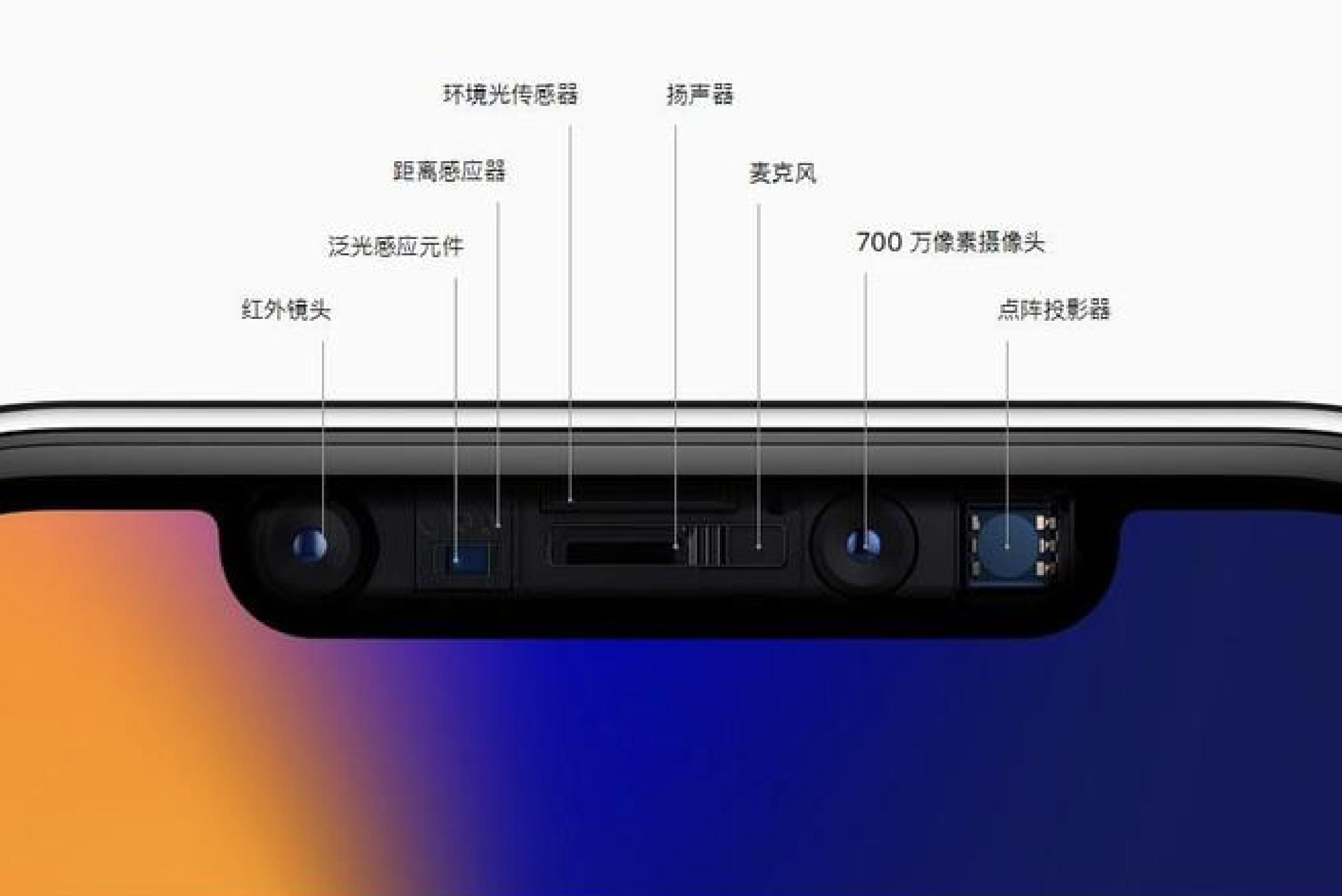
Core Insights - The article discusses the evolution of iPhone design and technology, particularly focusing on the transition from the "notch" to a "true full-screen" design with under-display 3D facial recognition technology expected by 2027 [5][7][29] Group 1: iPhone Design Evolution - The iPhone X established a foundational design framework for future models with its "full-screen" design and "3D facial recognition" technology [1][9] - The transition from the "notch" to the "pill" shape has been gradual, with ongoing efforts to achieve a perfect full-screen design [3][5] - By 2027, Apple aims to eliminate the "pill" entirely, integrating the entire 3D facial recognition system beneath the display [5][7] Group 2: 3D Facial Recognition Technology - 3D facial recognition technology has not been widely adopted across the industry, with only a few manufacturers like Apple, Huawei, and Honor utilizing it in their flagship models [12][15] - The high cost and complexity of 3D facial recognition systems limit their use to premium devices, as seen with Huawei's Mate 70 Pro series [15][19] - Other manufacturers have opted for alternative biometric technologies, such as 2D facial recognition and side-mounted fingerprint sensors, due to cost considerations [12][15] Group 3: Market Trends and Future Prospects - The article highlights that achieving a true full-screen design is technically feasible, but maintaining high display quality and camera performance remains a challenge [19][22] - Companies like Nubia and Red Magic have made significant advancements in true full-screen technology, achieving better display and camera integration [21][22] - The integration of under-display cameras and 3D facial recognition technology is expected to mature, leading to a potential market explosion for these devices in the future [31]