AGI愿景

Search documents
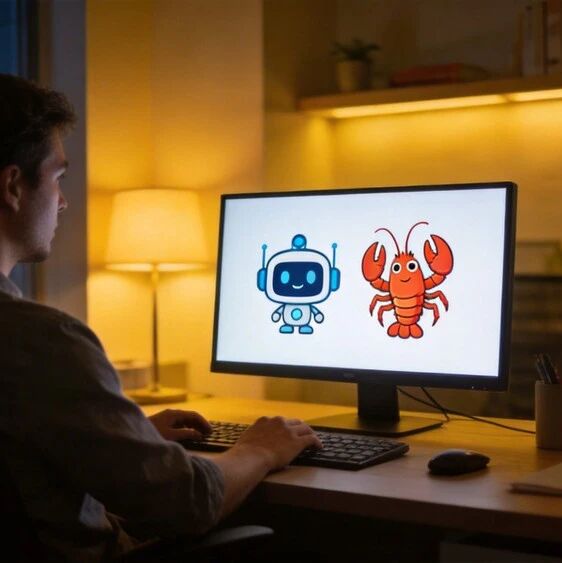
人人相信AI参与了战争,人人都想给自己装个龙虾
虎嗅APP· 2026-03-09 10:33
Core Viewpoint - The article discusses the sensational narratives surrounding AI's involvement in warfare and the public's obsession with AI technologies, highlighting a disconnect between reality and the exaggerated claims made in popular discourse [6][21]. Group 1: AI in Warfare - A recent article claimed that AI played a crucial role in a military operation, detailing how Claude processed vast amounts of intelligence data and contributed to a successful strike with zero casualties [8][22]. - However, the article points out that many claims in this narrative are misleading, as traditional intelligence work, rather than AI, was primarily responsible for the operation's success [9][24]. - The public's acceptance of these exaggerated narratives reflects a broader trend where complex technological processes are oversimplified into linear stories, such as AI leading directly to warfare outcomes [25][26]. Group 2: Public Fascination with AI Technologies - The phenomenon of "全民安装小龙虾" (全民小龙虾) represents a surge in interest in an open-source AI project, which has gained significant traction on platforms like GitHub, surpassing established projects like Linux and React [18][22]. - Despite its technical merits, the public discourse around this project has shifted from its innovative capabilities to a focus on installation events, often neglecting the underlying technical complexities and potential risks associated with its use [19][20]. - The article emphasizes that the excitement surrounding these technologies often overshadows critical discussions about their safety, functionality, and the implications of widespread adoption [25][26].

20个30岁以下、敢把世界“掀翻”的“疯子”正在集结 | F&M抢先看
虎嗅APP· 2025-10-10 09:44
Core Insights - The article discusses the characteristics and potential of young entrepreneurs in the AI sector, particularly those under 30, highlighting their innovative mindset and rapid adaptability in a transformative technological landscape [2][3][4]. Group 1: Entrepreneurial Characteristics - Many young entrepreneurs have prior entrepreneurial experiences, often engaging in unconventional ventures before entering the AI space, such as gaming or reselling electric scooters [3]. - These entrepreneurs exhibit a fast learning and iteration speed, with some able to produce new product demos within two weeks, showcasing their ability to keep pace with the fast-evolving AI industry [3][4]. - A notable trait among these young leaders is their willingness to challenge existing norms and their strong belief in technology, as exemplified by teams like MiniMax, which focused on AGI vision before it became mainstream [3][4]. Group 2: AI-Native Mindset - Young entrepreneurs are described as "AI natives," deeply familiar with AI applications and capable of creating products that resonate with users' natural experiences [4]. - They are adept at utilizing various AI tools and aim to create innovative products that stand out in the market, with aspirations to revolutionize existing platforms like WeChat [4][5]. - Examples of successful AI-native startups include Mercor, a recruitment application valued at $10 billion, and other innovative projects targeting global markets [4][5]. Group 3: Global Perspective and Sharing Culture - This generation of entrepreneurs designs products with a global market in mind, actively seeking the latest research and opportunities for international expansion [5]. - They are more inclined to share their entrepreneurial journeys and insights through social media, fostering a culture of openness and collaboration within the startup community [5]. - The ongoing search for promising young entrepreneurs through initiatives like the "Top 20 Most Promising AI Leaders Under 30" aims to spotlight future technological and industrial trends [5].