AI+储能安全

Search documents
储能安全痛点难破?国电投中央研究院张蔚琦:AI + 大模型破解五大瓶颈
Zhong Guo Neng Yuan Wang· 2026-02-13 07:06
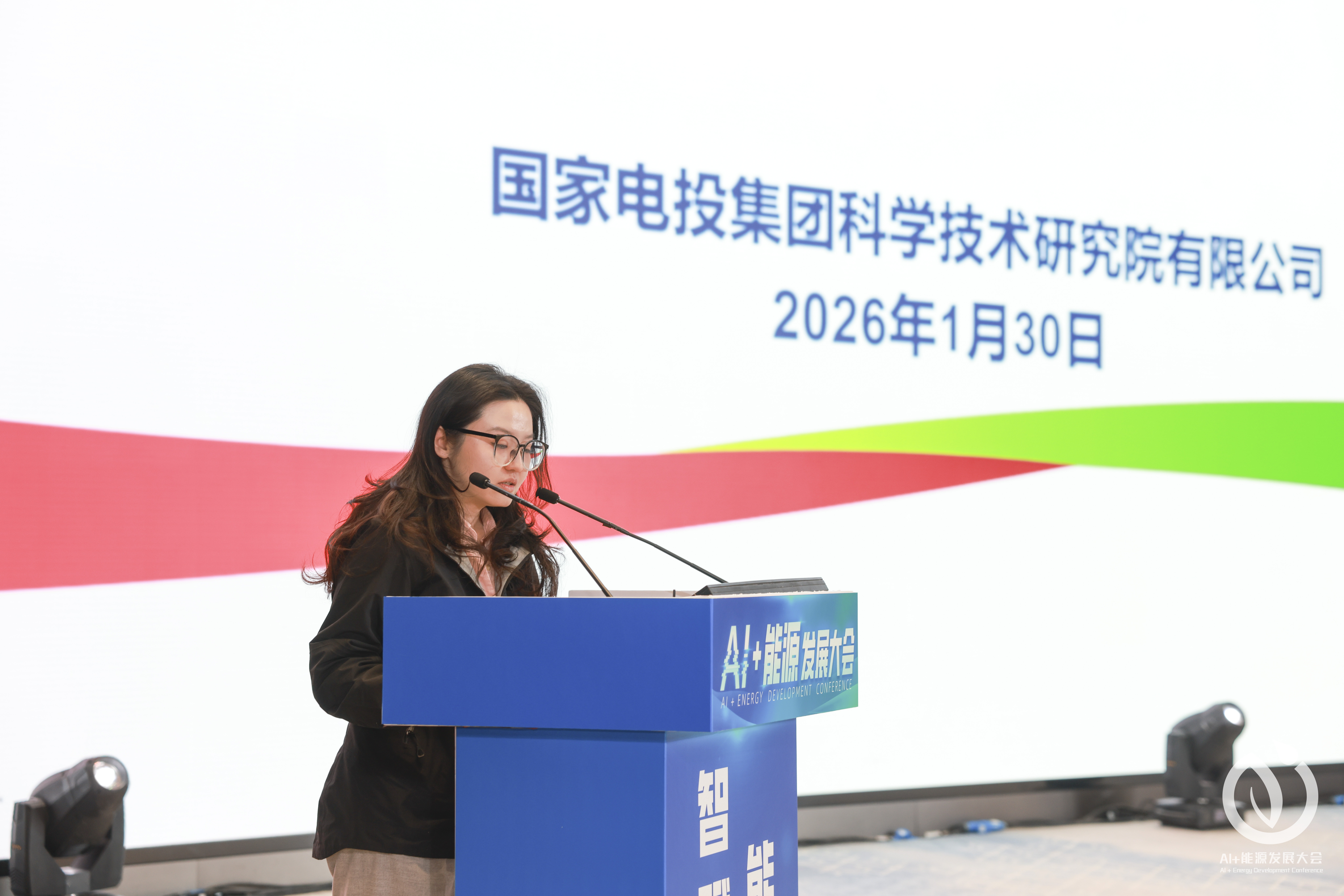
Core Insights - The AI+Energy Development Conference held in Beijing focused on the integration of AI and the energy sector, with over 300 representatives from government, academia, and industry discussing new pathways for development [1] - Zhang Weiqi from State Power Investment Corporation emphasized the need for an intelligent safety system in energy storage, driven by data and supported by mechanisms and large models [1][5] Industry Overview - AI technology has permeated all aspects of the power industry, including generation, transmission, distribution, and consumption, laying the groundwork for focusing on energy storage safety [4] - The demand for energy storage is expected to surge, with China's electrochemical storage capacity projected to reach 37.13 GW by 2024, a year-on-year increase of over 150% in 2025 [4] Key Pain Points - Five core pain points in the energy storage sector were identified: 1. Diverse technology routes leading to complex material systems 2. Lack of transparency in fault mechanisms, making prevention difficult 3. Low utilization of operational data, affecting decision-making and profitability 4. Fragmented operational processes reliant on manufacturers with inconsistent standards 5. Frequent safety incidents, complicating risk management [4][5] Proposed Solutions - To address these challenges, the company aims to break down data silos and build a comprehensive database, utilizing AI for intelligent operational predictions and lifespan optimization [5] - Starting in 2024, State Power Investment Corporation will implement policies requiring energy storage stations to establish independent safety monitoring platforms and include annual safety reports in assessments [5] Focused Applications - The company has identified two core scenarios for AI application: safety risk assessment and fault diagnosis, as well as smart operations and maintenance [5][6] - Key performance indicators for AI applications include battery state assessment accuracy of no less than 95%, fault diagnosis time under 2 minutes, and operational decision-making efficiency within 5 minutes [5] Practical Implementation - The company has developed a safety monitoring and early warning platform for energy storage, which has been deployed at a 200 MW/400 MWh shared storage station in Yunnan [6] - The platform has transformed safety management from reactive to proactive, enhancing operational efficiency and safety levels [6][7] Technological Innovations - Key innovations include digital twin technology for real-time monitoring, graded alarm systems to reduce operational burdens, and intelligent algorithms for precise battery state analysis [7] - The company has also developed two AI agents to enhance operational decision-making and offline assessment capabilities, improving efficiency and standardization [7][8] Future Directions - The company plans to standardize energy storage systems and expand AI applications in safety across various sectors, contributing to the development of a safer, more efficient, and intelligent new power system [8]