AI与能源产业融合

Search documents
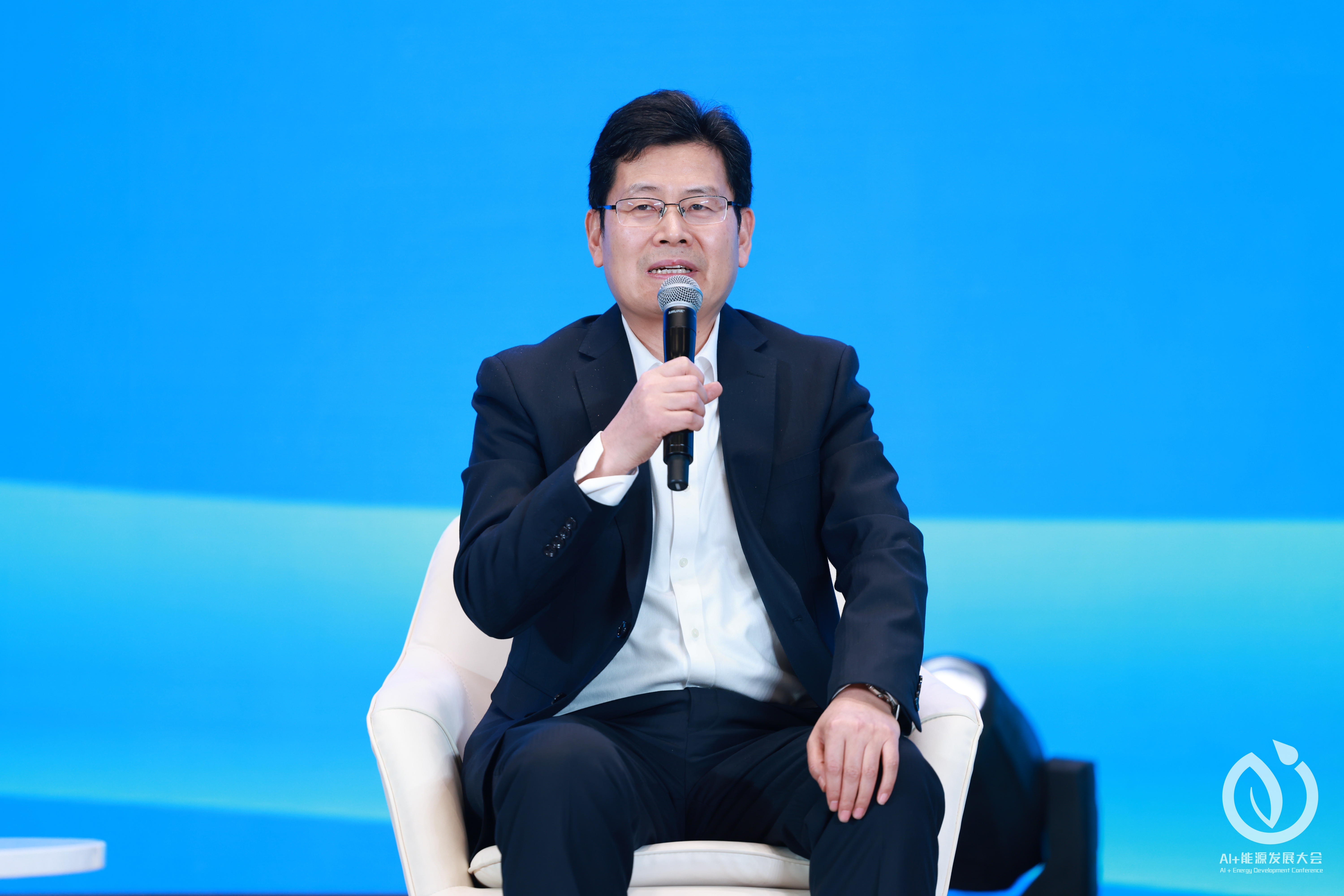
北京四方继保赵凤青:AI破解分布式光伏预测难题,数据质量与标准是规模化关键
Zhong Guo Neng Yuan Wang· 2026-02-14 02:25
Core Insights - The "AI + Energy Development Conference" held in Beijing focused on exploring new paths and opportunities for the integration of AI and the energy industry, attracting over 300 representatives from government, energy companies, and academia [1] Group 1: AI Integration in Energy - The core challenge in renewable energy is its volatility and randomness, particularly with wind and solar power, which poses high demands on grid scheduling and operational optimization [1] - Distributed photovoltaic (PV) systems are expected to account for over 40% of China's total PV installed capacity by 2024, complicating management due to their small size and dispersed nature [1] Group 2: AI Implementation Achievements - Beijing Sifang Automation has achieved significant results in AI applications for power automation, integrating data from distribution automation systems with electricity information collection systems to enhance the accuracy of distributed PV power forecasting [4] - A pilot project in Huai'an has successfully covered over 60,000 PV stations, achieving an average prediction accuracy of over 80%, which meets engineering standards and supports grid scheduling [4] Group 3: Challenges in AI Deployment - Despite recognizing the value of AI, significant bottlenecks remain in its large-scale implementation in the power sector, primarily related to data quality and standardization [5] - The lack of high-quality fault and anomaly data limits the training of adaptable AI models, while inconsistent data standards across different manufacturers complicate the deployment of AI technologies [5] Group 4: Proposed Solutions - Data sharing and standardization are identified as key areas for overcoming current challenges, with suggestions for utilizing federated machine learning to enable collaborative data use without compromising privacy [6] - The establishment of unified data input/output standards and IoT communication protocols is essential for facilitating efficient collaboration and scaling AI applications in the energy sector [6]


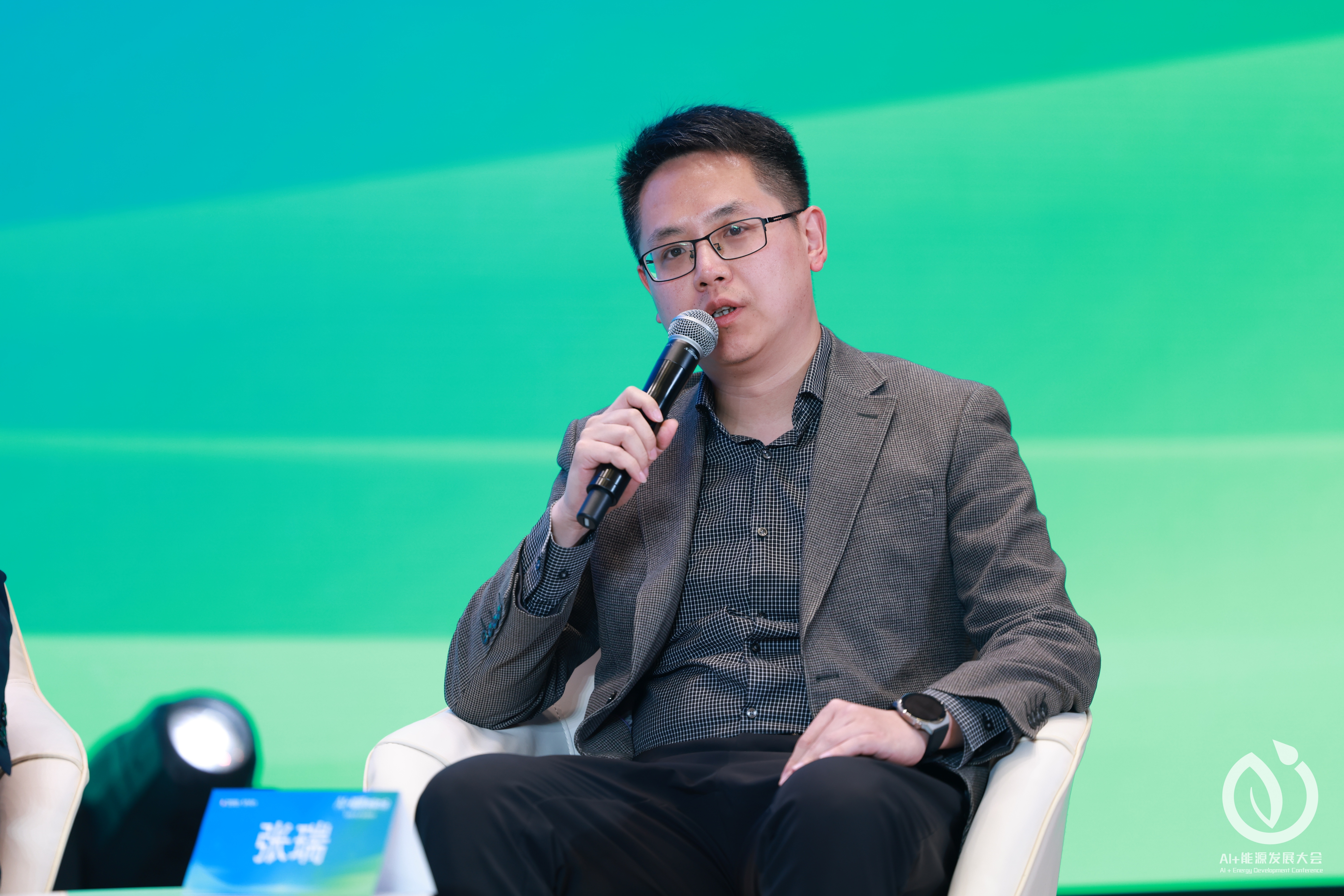
告别AI“黑盒子”!龙德缘电力张瑞:破解三大难题,推动用户侧电力智能化落地
Zhong Guo Neng Yuan Wang· 2026-02-13 08:07
Core Insights - The "AI + Energy Development Conference" held in Beijing focused on exploring new paths and opportunities for the integration of AI and the energy industry, attracting over 300 representatives from government, energy companies, and academia [1] Group 1: AI Applications in Energy - Longdeyuan Electric Group emphasizes AI applications in the user-side power distribution sector, differentiating from traditional generation and transmission applications [4] - The company has achieved breakthroughs in three main scenarios: intelligent operation and maintenance, electricity spot trading, and integrated scheduling of "source-network-load-storage" [4] - In intelligent operation and maintenance, AI technologies have significantly improved fault warning timeliness and accuracy, reducing operational costs [4] - In electricity spot trading, AI-driven quantitative trading models have increased returns by 3%-5% compared to traditional methods [4] - The integrated scheduling scenario utilizes AI for load forecasting, enhancing green electricity consumption and reducing customer electricity costs [4] Group 2: Challenges in AI Implementation - The company identifies three major challenges in AI practice: data issues, trust in AI strategies, and insufficient iteration of business models [5] - Data challenges include insufficient trading data and high costs of data collection due to non-standard communication protocols among different manufacturers [5] - Trust issues arise when AI strategies deviate from human judgment, particularly in critical areas like electricity trading, affecting profitability and production [5] - The current use of AI as a tool without fundamentally upgrading the business model limits the scalability of AI technology in the user-side power service [5] Group 3: Future Outlook - Longdeyuan Electric plans to continue focusing on the user-side power distribution sector, addressing data collection and AI model trust issues [5] - The company aims to optimize AI application solutions in the three identified scenarios and explore new business models empowered by AI [5] - The goal is to promote high-quality development of the integrated "source-network-load-storage" system, contributing to the construction of a new power system [5]