分布式光伏

Search documents
工业硅:关注上方空间,多晶硅:需求回落
Guo Tai Jun An Qi Huo· 2026-03-06 02:11
Group 1: Report Industry Investment Rating - Not provided in the given content Group 2: Core Viewpoints of the Report - The report focuses on industrial silicon and polysilicon, with the title "Industrial Silicon: Pay Attention to the Upside Space" and "Polysilicon: Demand Decline" [1][2] - The trend strength of industrial silicon and polysilicon is both 0, indicating a neutral view [4] Group 3: Summary by Relevant Catalogs 1. Fundamental Tracking - **Futures Market Data**: Si2605 closing price is 8,565 yuan/ton, with a change of -350 compared to T - 22; PS2605 closing price is 42,280 yuan/ton, with a change of -4,035 compared to T - 1. There are also data on trading volume and open interest for both contracts [2] - **Price and Profit Data**: The price of Xinjiang 99 silicon is 8,500 yuan/ton, and the price of polysilicon - N - type re - feed is 49,000 yuan/ton. The profit of silicon plants in Xinjiang and Yunnan for the new standard 553 is - 2,566.5 yuan/ton and - 5,446 yuan/ton respectively [2] - **Inventory Data**: Industrial silicon - social inventory is 55.3 million tons, and polysilicon - manufacturer inventory is 34.8 million tons. There are also data on enterprise inventory, industry inventory, and futures warehouse receipt inventory [2] - **Raw Material Cost Data**: The prices of silicon ore, washed coking coal, petroleum coke, electrodes, etc. are provided, with some prices remaining unchanged [2] - **Photovoltaic Product Price and Profit Data**: The prices of silicon wafers, battery cells, components, photovoltaic glass, and photovoltaic - grade EVA are given, along with the profit of polysilicon enterprises and DMC enterprises [2] 2. Macro and Industry News - With the in - depth implementation of the "Notice on Deepening the Market - Oriented Reform of New Energy On - grid Electricity Prices to Promote the High - Quality Development of New Energy", distributed photovoltaics aggregating into the market in the form of virtual power plants has become an inevitable trend. Suggestions include improving relevant mechanisms, clarifying the status of multiple subjects and differentiated rules, and establishing a unified national access standard [3][4]
小场景阳台光伏能撬动怎样的大变革?
Jing Ji Ri Bao· 2026-02-28 02:08
Core Insights - The balcony photovoltaic (PV) market is rapidly growing, with over 1 million registered systems in Germany, driven by rising electricity prices and low entry barriers for consumers [1] - In China, despite stable energy supply and low residential electricity prices, the demand for balcony PV is increasing due to the growing electricity needs of small and medium-sized businesses [2] - The shift from large-scale solar installations to smaller, consumer-oriented balcony PV systems represents a significant change in the solar industry, focusing on user experience and ease of installation [2] Market Dynamics - European electricity prices have risen by over 50% since 2022, prompting residents to adopt balcony PV systems to mitigate costs [1] - In China, the widening gap between peak and valley electricity prices, along with the introduction of peak and valley pricing mechanisms, creates a favorable environment for balcony PV adoption [2] - The potential market for balcony PV in China is estimated to exceed 100 million kilowatts if 20% of households install an 800-watt system [3] Technological Advancements - Technological improvements, such as enhanced micro-inverter efficiency and decreasing component prices, are shortening the payback period for balcony PV systems [3] - The integration of energy storage solutions is also contributing to the convenience and efficiency of these systems [3] Consumer Engagement - Balcony PV serves as an entry point for consumers to engage with renewable energy, fostering a greater understanding and acceptance of low-carbon technologies [4] - The experience of generating electricity, even in small amounts, can significantly alter consumer perceptions of energy [4] Industry Outlook - The balcony PV trend indicates that the solar industry can thrive in diverse market segments, not just large-scale installations [4] - Companies are encouraged to focus on user needs and adapt their business models to promote the adoption of balcony PV systems, contributing to a greener future [4]
快可电子:智能接线盒实现功率优化、远程监控、智能快速关断功能,主要应用于分布式光伏电站
2 1 Shi Ji Jing Ji Bao Dao· 2026-02-27 09:17
Core Viewpoint - The company, 快可电子, has introduced a smart junction box that enhances power optimization, remote monitoring, and intelligent rapid shutdown features compared to traditional junction boxes, thereby improving overall power generation efficiency [1] Group 1: Product Features - The smart junction box includes an intelligent control chip module [1] - It is designed to optimize power usage and enable remote monitoring capabilities [1] - The product also features intelligent rapid shutdown functionality [1] Group 2: Application Areas - The smart junction box is primarily used in distributed photovoltaic power plants [1] - Key applications include commercial and industrial rooftops as well as residential rooftops [1]
中经评论:阳台光伏以小场景撬动大变革
Jing Ji Ri Bao· 2026-02-25 23:56
Core Insights - The balcony photovoltaic (PV) market is rapidly growing, with over 1 million registered systems in Germany, driven by rising electricity prices and supportive policies [1] - In China, despite stable energy supply and low residential electricity prices, the demand for balcony PV is increasing due to the growing electricity needs of small and medium-sized businesses [2] - The shift from large-scale solar installations to smaller, consumer-oriented balcony PV systems represents a significant opportunity for the solar industry in China [2][3] Group 1: Market Dynamics - The European market for balcony PV is experiencing the fastest growth due to a 50% increase in residential electricity prices since 2022, prompting residents to adopt self-consumption solutions [1] - In China, the widening gap between peak and valley electricity prices, along with the establishment of peak and valley pricing mechanisms, is creating cost-saving opportunities for small and medium-sized enterprises through balcony PV [2] - The potential market for balcony PV in China is estimated to exceed 100 million kilowatts if 20% penetration is achieved, despite the smaller scale of individual systems [3] Group 2: Technological and Consumer Trends - Technological advancements, such as improved micro-inverter efficiency and decreasing component prices, are shortening the payback period for balcony PV systems [3] - The transition of balcony PV from a large-scale investment product to a consumer product emphasizes user experience, installation convenience, and aesthetic compatibility over technical specifications [2] - Balcony PV serves as an entry point for consumers to engage with renewable energy, fostering a broader societal shift towards low-carbon awareness [4] Group 3: Challenges and Opportunities - Despite challenges such as low electricity prices and installation restrictions in urban high-rise buildings, the balcony PV market in China is expected to thrive due to innovative ownership models and the large urban population [3] - The limited energy output of individual balcony PV systems does not diminish their value; instead, they play a crucial role in educating consumers about renewable energy [4] - The diversification of solar energy pathways, from large installations to household applications, is essential for a comprehensive energy transition [4]
湖州燃气股价窄幅波动,技术面与基本面因素并存
Jing Ji Guan Cha Wang· 2026-02-21 01:33
Core Viewpoint - Huzhou Gas (06661.HK) has shown stable stock performance recently, with a closing price of HKD 5.05 on February 20, 2026, reflecting a slight increase of 0.40% on that day, while the 60-day moving average stands at HKD 5.015 [1] Group 1: Stock and Fund Performance - The stock price has been fluctuating within the range of HKD 5.02 to HKD 5.05, with the 60-day moving average providing long-term support [2] - The KDJ indicator shows a short-term overbought signal (J value of 107.836), but trading volume is low, with only 2,500 shares traded on February 20 [2] - The gas sector (A-share gas II index) declined by 0.85% on the same day, while the Hang Seng Index fell by 1.10%, indicating that Huzhou Gas's slight increase may be influenced by specific fund flows [2] Group 2: Financial Performance - For the first half of 2025, the company's net profit decreased by 10.41%, primarily due to a reduction in pipeline natural gas sales and a price cut for non-residential users [3] - However, the net profit for the entire year of 2024 is expected to grow by 6.27%, with a dividend yield of 6.48% as of February 20, 2026, which may attract some conservative investors [3] - The mid-2025 report mentions the company's plans to upgrade its pipeline and expand its distributed photovoltaic business using funds raised from its listing, which could enhance market expectations in the long term [3] Group 3: Market Environment - The stock has a historically low average daily trading volume and turnover rate, with a turnover rate of 0% on February 20, indicating that small amounts of capital can significantly influence price movements [4] - On that day, there was a net outflow of HKD 12,600, but no major funds were involved, suggesting that retail trading is primarily driving price changes [4] Group 4: Recent Company Status - The notion of "breaking through the 60-day high" should be interpreted cautiously, as the current stock price is only slightly above the 60-day moving average, with a minimal fluctuation range of 0.80%, indicating no significant breakout trend [5] - Stock price movements may be affected by low liquidity, seasonal factors (such as changes in energy demand), or market sentiment, necessitating a comprehensive assessment alongside future financial reports (such as the 2025 annual report) and industry policies [5]
北京四方继保赵凤青:AI破解分布式光伏预测难题,数据质量与标准是规模化关键
Zhong Guo Neng Yuan Wang· 2026-02-14 02:25
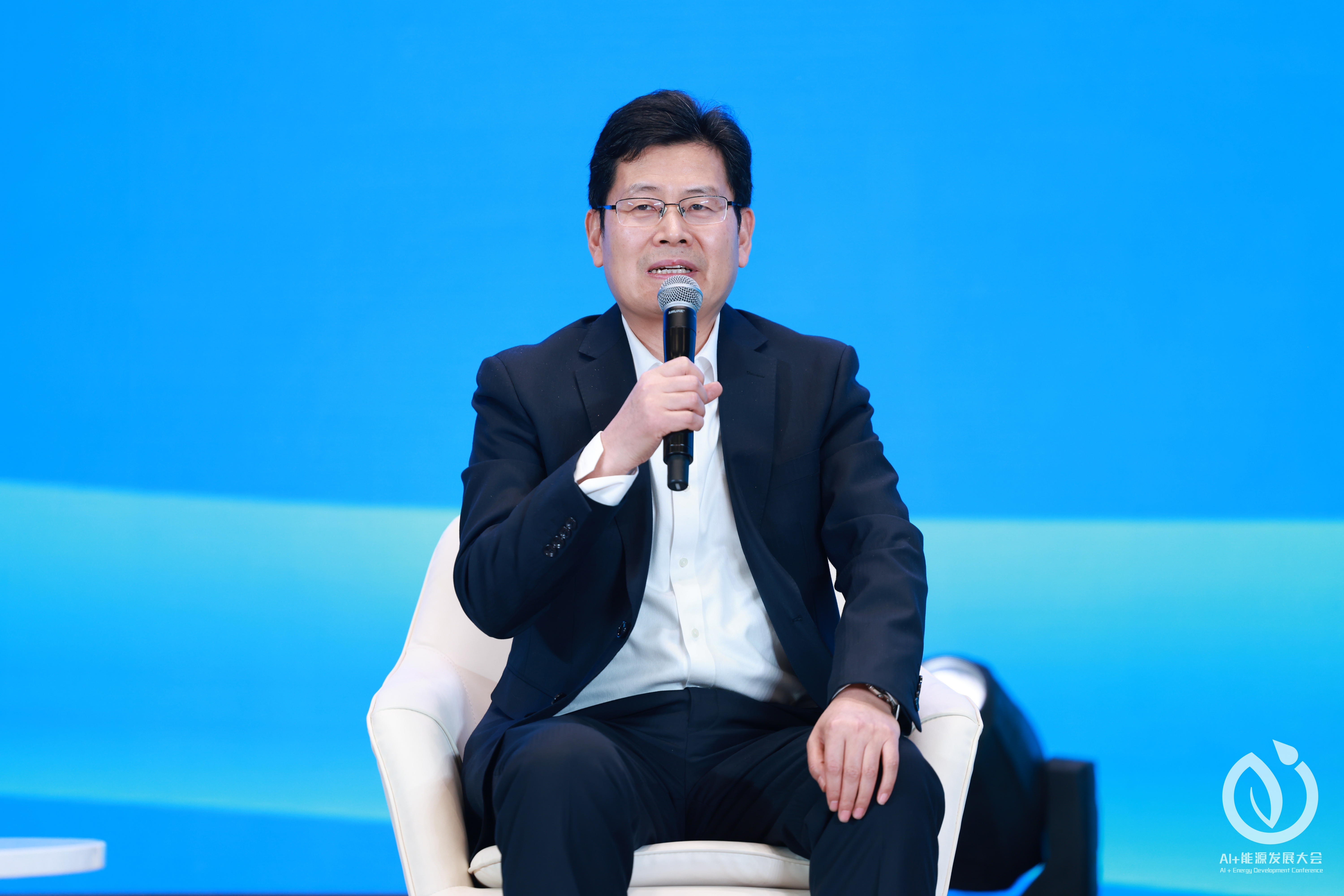
Core Insights - The "AI + Energy Development Conference" held in Beijing focused on exploring new paths and opportunities for the integration of AI and the energy industry, attracting over 300 representatives from government, energy companies, and academia [1] Group 1: AI Integration in Energy - The core challenge in renewable energy is its volatility and randomness, particularly with wind and solar power, which poses high demands on grid scheduling and operational optimization [1] - Distributed photovoltaic (PV) systems are expected to account for over 40% of China's total PV installed capacity by 2024, complicating management due to their small size and dispersed nature [1] Group 2: AI Implementation Achievements - Beijing Sifang Automation has achieved significant results in AI applications for power automation, integrating data from distribution automation systems with electricity information collection systems to enhance the accuracy of distributed PV power forecasting [4] - A pilot project in Huai'an has successfully covered over 60,000 PV stations, achieving an average prediction accuracy of over 80%, which meets engineering standards and supports grid scheduling [4] Group 3: Challenges in AI Deployment - Despite recognizing the value of AI, significant bottlenecks remain in its large-scale implementation in the power sector, primarily related to data quality and standardization [5] - The lack of high-quality fault and anomaly data limits the training of adaptable AI models, while inconsistent data standards across different manufacturers complicate the deployment of AI technologies [5] Group 4: Proposed Solutions - Data sharing and standardization are identified as key areas for overcoming current challenges, with suggestions for utilizing federated machine learning to enable collaborative data use without compromising privacy [6] - The establishment of unified data input/output standards and IoT communication protocols is essential for facilitating efficient collaboration and scaling AI applications in the energy sector [6]


厂区来了“阳光掌柜”
Jing Ji Ri Bao· 2026-02-04 22:14
Core Insights - The implementation of rooftop photovoltaic systems has led to operational challenges, particularly in electricity billing among small and micro enterprises in Ningbo, Zhejiang Province [1] - The introduction of the "Sunshine Manager" system has significantly improved electricity billing processes, reducing disputes and enhancing the business environment for park enterprises [2][3] Group 1: Challenges in Electricity Billing - Small and micro enterprises face difficulties in electricity billing due to varying usage patterns, manual meter reading, and disputes over electricity costs [1] - The lack of digital billing solutions and precise measurement equipment has complicated the electricity billing process in newly established parks [2] Group 2: Solutions and Innovations - The "Sunshine Manager" system was developed to address billing issues, allowing for detailed tracking of electricity usage and costs, thus resolving disputes among tenants [2] - The system has been successfully piloted in Ningbo, leading to a significant reduction in operational costs for photovoltaic power stations, averaging a decrease of 30,000 yuan per megawatt annually [3] Group 3: Broader Impact and Future Plans - The "Sunshine Manager" platform has facilitated a total settlement of 10.921 billion yuan across Zhejiang Province, improving the overall business environment and attracting more enterprises to parks [3] - There are plans to expand the "Sunshine Manager" system to more regions, leveraging successful experiences to enhance electricity management further [3]
晶科科技近50MW工商业分布式项目集中完工 赋能多元产业场景
Zheng Quan Ri Bao Zhi Sheng· 2026-01-30 07:40
Group 1 - Jinko Power Technology Co., Ltd. has recently completed nearly 50 MW of commercial distributed photovoltaic projects across multiple provinces including Jiangsu, Zhejiang, Fujian, Guangdong, and Hunan, covering various industry leaders' industrial parks [1] - The largest single project in this batch is the 13.18 MW distributed photovoltaic project at Supor's Shaoxing base, which is expected to generate approximately 13 million kilowatt-hours annually, enhancing energy efficiency and economic benefits [1] - Jinko's distributed development team has efficiently constructed nearly 20 MW of projects in SF Express logistics parks, supporting the green and low-carbon transformation of logistics infrastructure in East and South China [1] Group 2 - The restructuring of policies is reshaping China's distributed photovoltaic market, with economic viability, consumption capacity, and long-term stable returns becoming core considerations for owners and investors [2] - Jinko focuses on areas with favorable renewable energy consumption and electricity pricing policies, actively promoting the deep integration of distributed energy with the real economy [2] - The company aims to leverage its extensive project experience and strong development and operational capabilities to provide efficient and reliable distributed energy solutions for more partners in the future [2]

国网山东省电力公司完成整村分布式光伏涉网改造
Zhong Guo Zhi Liang Xin Wen Wang· 2026-01-29 06:35
Core Viewpoint - The State Grid Shandong Electric Power Company has successfully completed the first domestic village-wide distributed photovoltaic (PV) network safety capability enhancement project, providing a replicable and promotable practical sample to address safety challenges in distributed PV systems [1] Group 1: Industry Development - Photovoltaic power generation is one of the main forms of new energy construction in China, with distributed PV systems rapidly developing in recent years, primarily installed on rooftops of rural residences and industrial buildings [1] - Distributed PV systems are connected to the grid through 10 kV or 380 V lines, but many systems have low safety standards, posing a risk of large-scale disconnection during voltage and frequency fluctuations in the grid [1] Group 2: Technical Solutions - The core component of distributed PV systems is the inverter, and directly replacing it would require a significant investment; therefore, the focus is on enhancing inverter performance through software upgrades to improve network safety capabilities [1]
黄宏生家族,330亿的生意退市
商业洞察· 2026-01-23 09:35
Core Viewpoint - The article discusses the strategic move by the Huang Hongsheng family to privatize Skyworth Group and spin off its solar energy business for independent listing, reflecting a shift in focus towards renewable energy and the potential for significant growth in this sector [4][5][10]. Group 1: Privatization and Spin-off Strategy - On January 21, Skyworth Group announced plans for privatization and the spin-off of its solar business, offering shareholders two options: a share swap or cash payout, leading to a 37% increase in stock price [5][12]. - The estimated valuation of Skyworth Solar is around 10 billion RMB, with the Huang family retaining a 46.52% stake post-transaction [7]. - The privatization involves repurchasing 635 million shares from other shareholders, with the cash option providing a 96% premium over the previous closing price [14][15]. Group 2: Financial Performance and Growth - For the first half of 2025, Skyworth Group reported a revenue increase to 36.26 billion RMB, with the solar business contributing 13.84 billion RMB, a 53.5% year-on-year growth [23][24]. - The solar segment is expected to surpass traditional television revenue by mid-2025, driven by the saturation and competitive pressures in the traditional appliance market [26]. - The management highlighted that the current market valuation does not reflect the intrinsic value of the solar assets, prompting the need for an independent listing to enhance brand image and facilitate international expansion [29]. Group 3: Market Position and Future Plans - Skyworth entered the solar market in 2020, focusing on distributed solar solutions tailored to user needs, leveraging its extensive distribution network from its home appliance business [30][34]. - The company has established over 800,000 solar power stations, generating more than 41 billion kWh of electricity, with operational capacity exceeding 27 GW [22]. - Future plans include expanding the solar business internationally, with significant contracts already signed in Europe and Southeast Asia, aiming to capitalize on the higher electricity prices abroad [39][41].