AI人格权

Search documents
2026数字人觉醒:从“形似”到“共情”的技术革命
Sou Hu Cai Jing· 2025-12-15 10:29
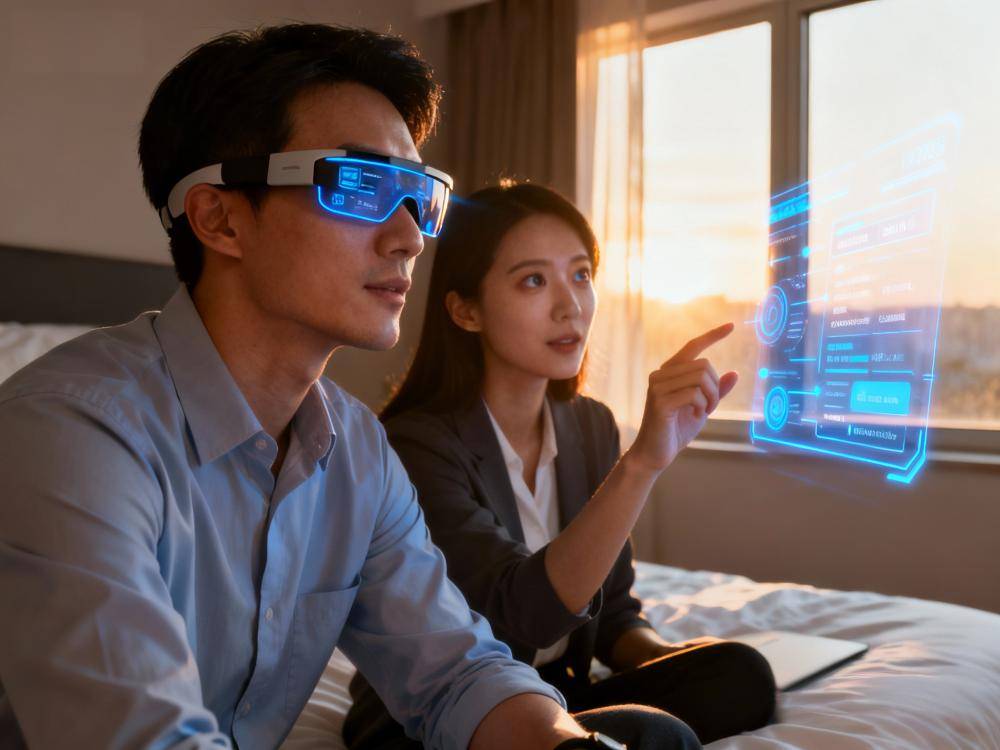
Core Insights - The article discusses the evolution of digital humans, highlighting their transition from mere tools to empathetic partners capable of emotional interaction and personalized communication [3][4][5]. Group 1: Technological Advancements - The focus has shifted from visual realism to emotional intelligence and interaction capabilities, allowing digital humans to analyze user emotions through voice, facial expressions, and body language [4][5]. - Breakthroughs in multi-modal emotional computing enable digital humans to respond appropriately to human emotions, enhancing the quality of human-machine interaction [5][6]. - The development of personality memory banks allows digital humans to create personalized interaction patterns based on long-term user engagement [4][6]. Group 2: Industry Applications - In healthcare, virtual nurses can monitor patients' emotional states and provide personalized support, significantly impacting chronic disease management and elderly care [6][8]. - In education, AI teachers can adapt teaching strategies to individual student needs, offering customized learning experiences [8][15]. - The financial sector is increasingly utilizing digital humans for compliance roles, helping businesses navigate complex regulations and reduce human error [8]. Group 3: Future Trends - By 2026, digital humans are expected to become specialized in various fields, moving from generalist roles to expert roles tailored to specific industry needs [6][8]. - The cost of creating digital humans is anticipated to decrease significantly, making the technology accessible to small businesses and individual creators [13]. - The emergence of diverse interaction devices, such as AR glasses and holographic projections, will enhance the integration of digital humans into physical spaces [13][14]. Group 4: Ethical and Social Implications - The rise of digital twins raises ethical questions regarding responsibility and decision-making, particularly in social and professional contexts [12]. - The concept of "digital immortality" poses challenges related to consent and emotional impact on individuals and families [12]. - The proliferation of digital humans may lead to job displacement in repetitive roles while creating new opportunities in areas like digital human training and collaboration [15][16].