AI伪造图片骗退款

Search documents
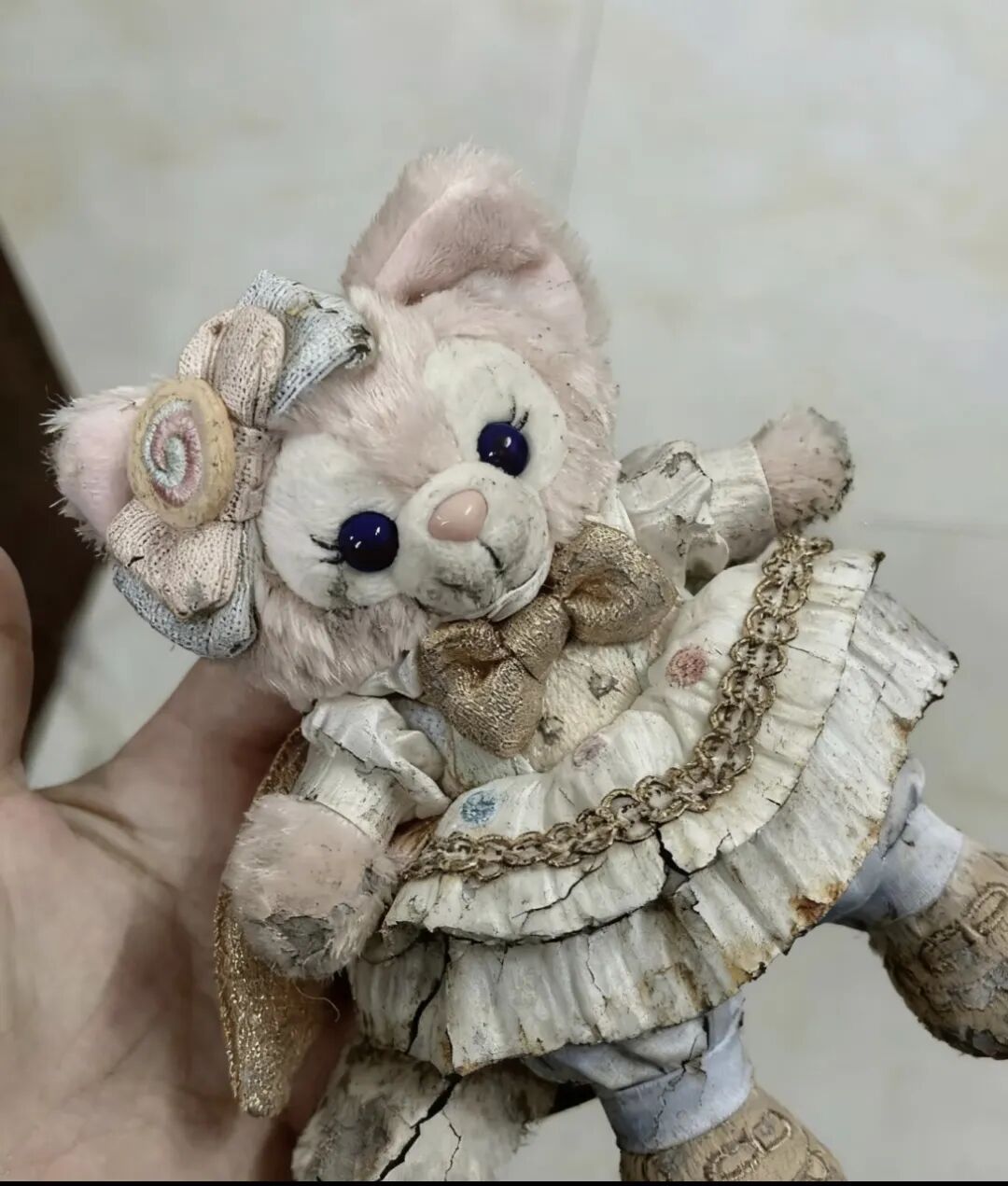
用AI假图骗“仅退款”,788元“退款秘籍”公开叫卖
3 6 Ke· 2025-11-20 11:16
Core Insights - The article discusses the emerging trend of using AI-generated images to fraudulently obtain refunds from e-commerce platforms, highlighting a growing gray market for such practices [1][14][19] Group 1: AI Fraudulent Refunds - Sellers are increasingly facing challenges from buyers who use AI to create fake images of damaged products to request refunds, leading to significant losses for businesses [1][11] - The trend has become widespread across various product categories, with fruits being particularly affected, as sellers report numerous instances of buyers submitting AI-altered images to claim refunds [1][13] Group 2: Seller Experiences - A seller named 乐乐 identified a fraudulent refund request when a buyer submitted an obviously altered image of a product, but the platform still sided with the buyer, resulting in a partial refund [2][4] - Another seller, 昕昕, has adapted by requiring buyers to provide multiple angles of product images and videos to counteract potential fraudulent claims [13] Group 3: Gray Market for AI Tutorials - There is a burgeoning gray market where individuals sell tutorials on how to use AI tools for fraudulent refund claims, with prices for these courses reaching up to 788 yuan [14][15] - These tutorials provide detailed strategies for maximizing the chances of successful refunds, including the use of AI-generated images alongside real photos to avoid detection [16][17] Group 4: Platform Responsibilities - The article emphasizes the need for e-commerce platforms to enhance their detection capabilities for AI-generated content and to implement stricter penalties for fraudulent refund attempts [19][20] - It suggests that platforms should refine their rules and consider seller appeals more carefully to prevent unjustified refunds that can harm businesses [20]