AI分拣技术

Search documents
开挖祖传百米垃圾山,垃圾怎么不够烧了?
3 6 Ke· 2026-01-30 00:26
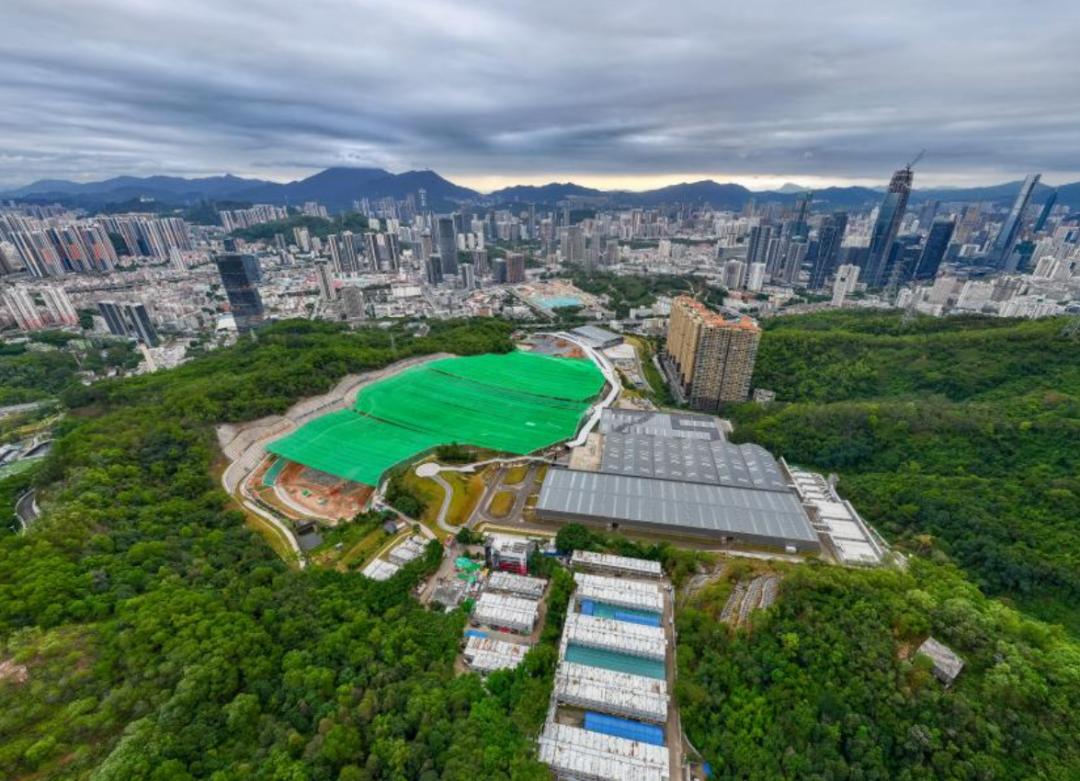
Group 1 - The core issue is the environmental management of the Yulong landfill in Shenzhen, which has been closed for 20 years and contains approximately 2.5 million cubic meters of waste, equivalent to filling 1,000 international standard swimming pools [1][3] - The landfill's location in a city center poses significant risks, including odor, leachate, groundwater pollution, and geological hazards, necessitating a comprehensive waste removal and treatment process [3][5] - The project is the largest nationwide excavation and relocation of waste, processing about 6,000 tons of waste daily, with plans to release nearly 300,000 square meters of land for a technology park [5][24] Group 2 - National urban waste collection reached approximately 26,236,620 tons in 2024, with a treatment capacity of 1,155,500 tons per day, but the average load rate of incineration plants is only about 60%, leaving 40% of capacity idle [7][24] - The high moisture content and low calorific value of mixed waste in China, particularly kitchen waste, complicate incineration processes, leading to lower efficiency and higher emissions of harmful substances [9][11] - Advanced incineration technologies have been developed in China, achieving dioxin emissions of only 0.004 nanograms per cubic meter, significantly below EU standards, and ensuring real-time monitoring and control of emissions [13][15] Group 3 - The rapid implementation of mandatory waste sorting since 2019 has led to a significant increase in waste classification efficiency, with a large portion of kitchen waste being diverted to anaerobic digestion for biogas production [17][21] - The construction of incineration plants has expanded significantly, with daily treatment capacity exceeding 1.1 million tons, surpassing that of Europe, the US, and Japan combined, yet some facilities face underutilization due to overcapacity [24][26] - The shift towards waste-to-energy solutions has resulted in a surplus of incineration capacity, with some plants offering incentives to secure waste sources, indicating a mismatch between planned capacity and actual waste generation [26][32] Group 4 - China's waste incineration technology is now being exported, with projects in countries like Vietnam and Iraq, showcasing the effectiveness of Chinese solutions in handling high-moisture, low-calorific waste [35][39] - The global demand for efficient waste management solutions has led to increased interest in Chinese technology, as many developing countries face similar waste composition challenges [41][42] - The advancements in waste management and incineration technology in China have positioned the country as a leader in the field, with significant contributions to international waste treatment projects [41][50]