AI抗菌肽设计

Search documents
诺奖得主David Baker最新论文,AI从头设计蛋白,攻破癌症Ras靶点“不可成药”魔咒
生物世界· 2026-03-24 01:00
Core Insights - The article discusses a research paper published by Nobel laureate David Baker on the design of Ras isoform selective binders, highlighting the potential for targeted cancer therapies through innovative protein design [1][2]. Group 1: Research Findings - The study focuses on the four main Ras isoforms (KRAS4A, KRAS4B, HRAS, and NRAS) and their varying associations with cancer, emphasizing the challenge of targeting specific isoforms due to minimal sequence differences [2]. - The research team utilized deep learning methods to design Ras isoform-specific binding proteins (RIBs) that can selectively bind to target Ras isoforms, disrupting their membrane localization and inhibiting Ras activity [2][4]. - The study demonstrated the utility of RIBs in understanding Ras biology and disease, particularly in the context of resistance to Ras G12C inhibitors, suggesting potential therapeutic applications [2][4]. Group 2: Implications for Drug Development - This research underscores the power of de novo protein design as a versatile strategy in chemical biology, paving new pathways for the development of cancer therapeutics [4]. - The findings indicate a significant advancement in the ability to create selective tools for exploring and potentially regulating complex biological systems, which could lead to more effective cancer treatments [4]. Group 3: Educational Initiatives - The article outlines various training programs related to AI protein design, antibody design, synthetic biology, and drug design, aimed at equipping participants with practical skills in these cutting-edge fields [5][30]. - The courses are structured to provide a combination of theoretical knowledge and hands-on practice, catering to individuals with varying levels of expertise [34][35]. Group 4: Course Details and Pricing - The training sessions are scheduled throughout 2026, with specific dates and pricing structures outlined for different courses, including discounts for multiple enrollments [31][30]. - Participants who complete the training and pass an exam can obtain a certificate from the Ministry of Industry and Information Technology, enhancing their professional credentials [33].

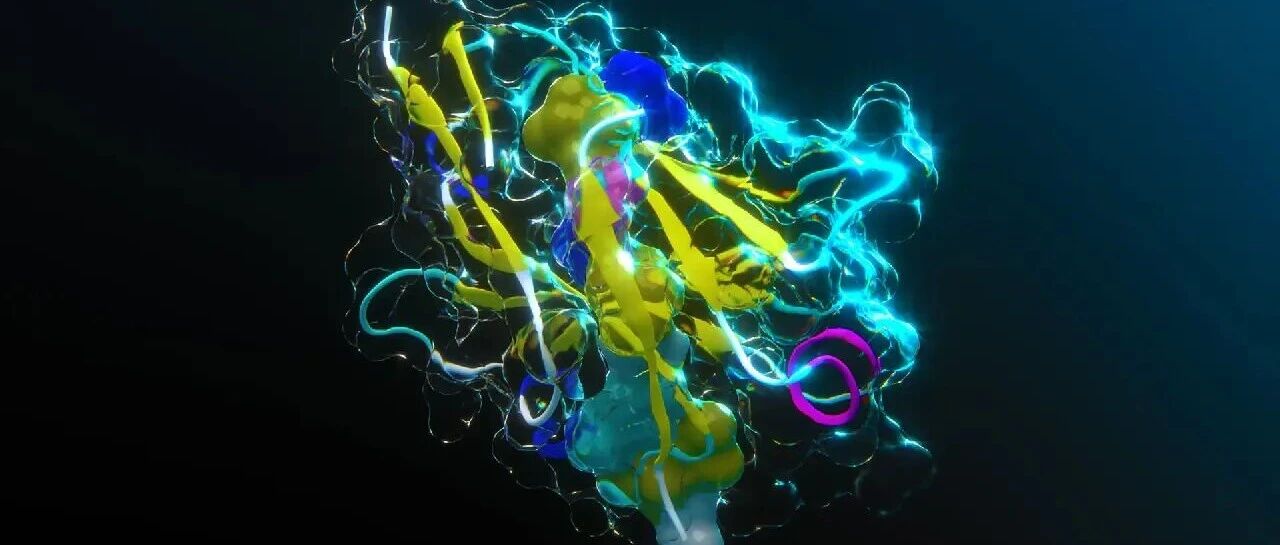
诺奖得主David Baker最新论文:AI设计蛋白新突破,精准设计蛋白结合剂,克服“不可成药”靶点
生物世界· 2026-01-27 08:00
Core Insights - The article highlights a significant breakthrough in protein design using conditional RFdiffusion to create high-affinity binding proteins for hydrophilic targets, led by Nobel laureate David Baker [4][7]. Design Strategy - The design strategy involves generating extended beta-sheet structures that geometrically match the edges of the target protein's beta strands through conditional RFdiffusion [5]. - Specially designed hydrogen bond groups are created to complement the polar groups on the target protein [6]. Experimental Validation - This technology overcomes traditional limitations in computational protein design, significantly expanding the range of target proteins for designed binding agents, particularly addressing challenges related to hydrophilic interactions. This advancement holds substantial value for drug development and protein function research [7]. - The designed protein binding agents exhibit high specificity and affinity, achieving picomolar to nanomolar levels of binding affinity for important protein targets such as KIT and PDGFRα [9]. Training and Courses - A series of online courses are offered, including AI protein design, antimicrobial peptide design, and computer-aided drug design, aimed at equipping participants with cutting-edge knowledge and practical skills in protein design [8]. - Various promotional offers are available for course registrations, including discounts for early sign-ups and bundled course registrations [8]. Future Trends - The article emphasizes the importance of AI protein design as a key technology to watch in 2026, with a growing demand for training and resources in this field, as evidenced by the high attendance and positive feedback from previous training sessions [7].