AI数据中心融资

Search documents
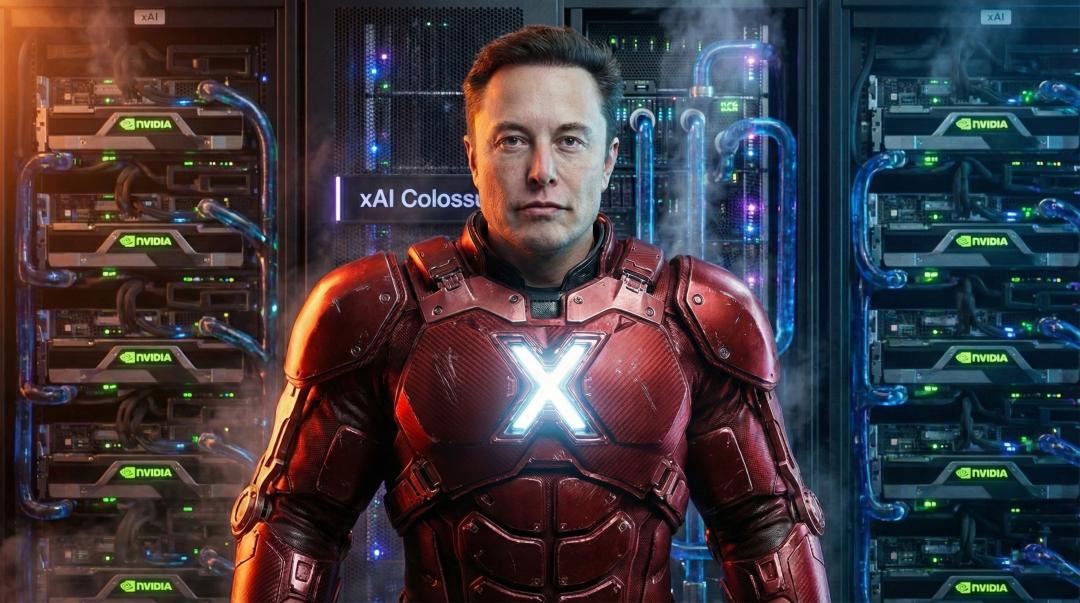
200亿美元!马斯克用养老金盖了一座未来工厂,但被投诉扰民
创业邦· 2026-01-14 10:10
Core Viewpoint - The article discusses the financial implications and community impacts of AI data centers, particularly focusing on the Colossus supercomputer cluster by xAI in Memphis, Tennessee, highlighting the hidden risks associated with their financing structures and the burden on local communities [6][12][17]. Group 1: AI Data Centers and Financial Structures - Colossus is a supercomputer center with an initial power load of 150 megawatts and a planned total capacity exceeding 1.2 gigawatts, which is nearly 40% of Memphis's peak electricity demand [6]. - Tech companies like OpenAI and Meta are heavily investing in data centers, with OpenAI's planned computing power valued at $1.4 trillion, raising questions about the sources of funding for these "money-eating beasts" [6][12]. - The financing of data centers is structured through Special Purpose Vehicles (SPVs), allowing tech companies to offload significant expenditures from their balance sheets while securing long-term contracts and predictable cash flows [7][12]. Group 2: Community Impact and Local Economy - The construction of Colossus initially created thousands of jobs and increased local tax revenues, but the long-term effects include rising electricity prices and environmental concerns [7][17]. - By 2025, the average electricity price in Tennessee is projected to rise to 13.88 cents per kilowatt-hour, a 12% increase from the previous year, with wholesale prices in data center-heavy areas experiencing significant fluctuations [7]. - Local communities face challenges such as deteriorating water quality and increased noise and pollution from backup natural gas turbines, leading to health issues like rising asthma cases [17]. Group 3: Investment Trends and Risks - Over $120 billion has been raised for data center SPVs, with major tech companies like Meta, xAI, and Oracle participating in complex financing transactions [12]. - The financing model has evolved, with private credit markets becoming a primary source of funding, often involving pension funds and insurance companies seeking stable returns [10][13]. - The total borrowing by tech companies from private funds is expected to reach approximately $450 billion by the end of 2025, with a significant portion directed towards long-term project financing [13].



200亿美元,马斯克用养老金盖了一座未来工厂,但被投诉扰民
3 6 Ke· 2026-01-13 09:02
Core Insights - The article discusses the Colossus supercomputer cluster in Memphis, Tennessee, owned by Musk's xAI, highlighting its significant energy demands and the impact on local residents [2][4] - It raises concerns about the financing of data centers, which are increasingly viewed as financial products, and the hidden risks associated with their funding structures [6][9] Group 1: Data Center Impact - Colossus has an initial power load of 150 megawatts, with a future capacity planned to exceed 1.2 gigawatts, which is nearly 40% of Memphis's peak electricity demand [2] - The construction phase created temporary job growth and increased local government tax revenue, but this excitement faded once the servers were operational [5] - Rising electricity prices are a direct consequence of the data center's operations, with Tennessee residents expected to pay an average of 13.88 cents per kilowatt-hour by 2025, a 12% increase from the previous year [6] Group 2: Financing Mechanisms - Tech companies utilize Special Purpose Vehicles (SPVs) to finance data centers, allowing them to offload significant expenditures from their balance sheets while securing long-term contracts and predictable cash flows [6][9] - Over $120 billion has been raised for data center SPVs, with major players like Meta, xAI, Oracle, and CoreWeave participating in complex financing transactions [9][10] - The SPV structure allows lenders to only pursue the data center's assets in case of default, effectively isolating risks from the parent companies [11] Group 3: Broader Economic Implications - The financing model for AI data centers mirrors past financial crises, where risks were obscured, leading to significant market disruptions [13][14] - The article suggests that the burden of these financial structures ultimately falls on ordinary citizens, who are often unaware of the risks associated with their pension funds and insurance products [12][15] - Local communities, like Memphis, face long-term challenges such as increased electricity costs, water resource depletion, and environmental pollution due to the operations of these data centers [16]