AI新闻真实性判断

Search documents
“特朗普爱上保洁员”把全网都耍了,连AI也被套路
Hu Xiu· 2025-07-31 10:51
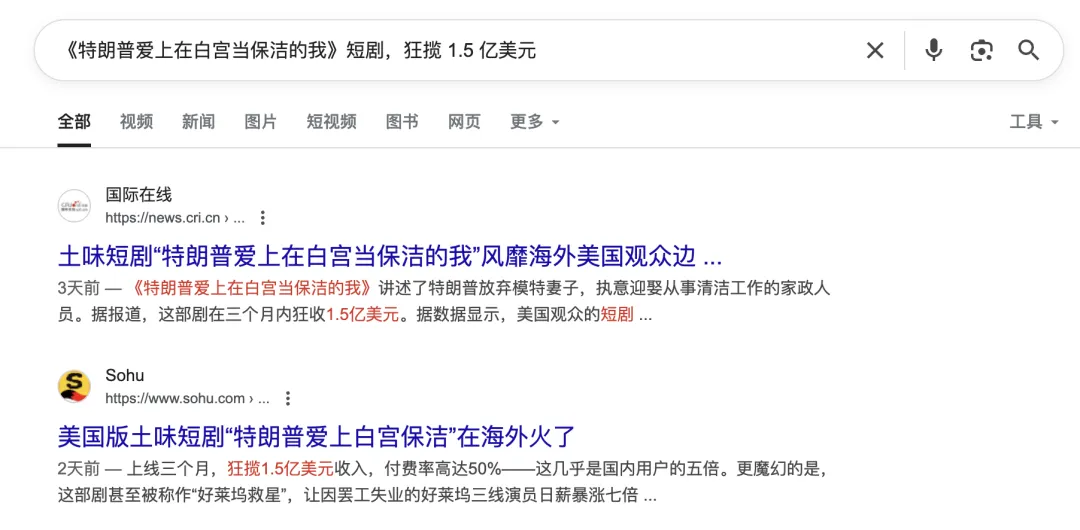
Core Points - The article discusses the viral phenomenon surrounding a fictional short drama titled "Trump Falls in Love with the Cleaner in the White House," which was reported to have generated $150 million in three months, primarily targeting middle-aged women [5][20][26] - It highlights the complexities of how this fake news spread rapidly across social media and was initially believed by both humans and AI, raising questions about trust in information sources [6][19][42] Group 1: Overview of the Fake Drama - The short drama's premise involves President Trump falling in love with a White House cleaner, leading to sensationalized media coverage [2][10] - The narrative was initially propagated by a self-media account, which likely used AI tools for content generation, leading to widespread misinformation [7][11] Group 2: Media and Public Reaction - Major media outlets and influencers shared the news, contributing to its viral status, with many believing the drama was real due to its sensational nature [5][12][26] - The article notes that the drama was reported by credible sources, which further solidified its perceived legitimacy before being debunked [10][29] Group 3: Financial and Market Analysis - The reported $150 million revenue from the drama was attributed to a combination of in-app purchases and advertising, with a high conversion rate among viewers [32][33] - The short drama's success reflects a broader trend in the micro-drama industry, which has seen significant growth in overseas markets, particularly in the U.S. [27][28] Group 4: Industry Implications - The incident underscores the challenges of verifying information in an age where AI-generated content can easily mislead both the public and automated systems [41][60] - It raises concerns about the reliability of AI in discerning truth from fiction, especially when misinformation is propagated through seemingly credible channels [39][62]