假新闻传播

Search documents
「特朗普爱上保洁员」把全网都耍了,连 AI 也被套路,我还能信谁
3 6 Ke· 2025-08-01 01:41
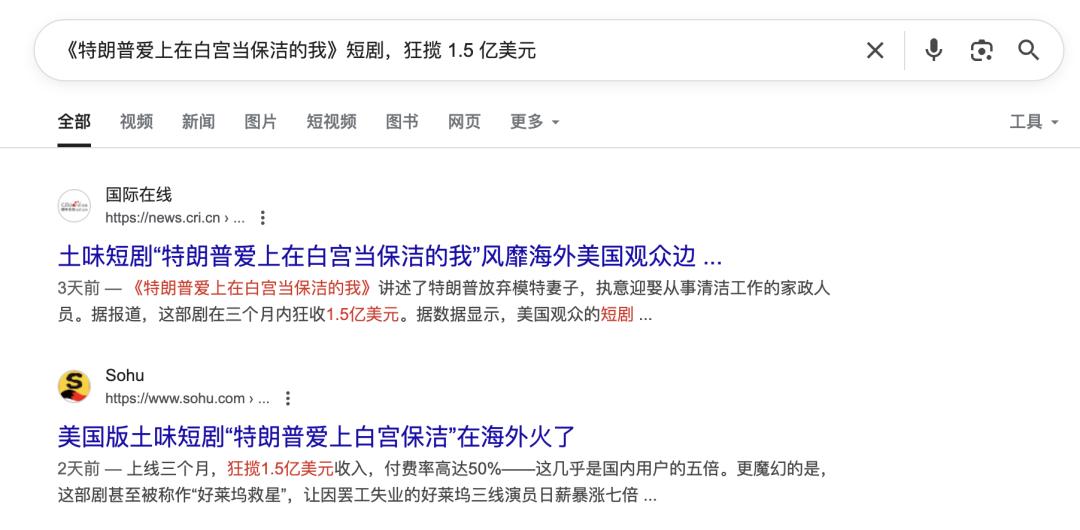
Core Viewpoint - The news surrounding the fictional short drama "Trump Falls in Love with the White House Cleaner" highlights the complexities of misinformation and the role of AI in amplifying false narratives, leading to widespread belief in a non-existent production [3][30][33]. Group 1: Misinformation Spread - The fictional short drama was initially reported by a self-media account, which likely used AI writing tools to generate the content, leading to its rapid spread across social media platforms [3][4][6]. - The narrative gained traction when reputable media outlets, such as Singapore's "Lianhe Zaobao," reported on it, further legitimizing the false claims [4][5][6]. - The phenomenon illustrates a "trust loop" where misinformation is recycled through various media, creating a perception of authenticity [6][8]. Group 2: AI's Role in Misinformation - AI tools initially validated the existence of the short drama based on the volume of media reports, demonstrating the challenges in discerning truth from falsehood in the digital age [18][30]. - The incident underscores the "hallucination" problem in AI, where models generate plausible but incorrect information, complicating the verification of news [32][35]. Group 3: Cultural and Market Implications - The short drama's fabricated success story, claiming to earn $150 million in three months with a 50% payment rate, reflects the growing trend of Chinese micro-dramas gaining traction in international markets [21][22]. - The narrative aligns with the broader trend of cultural exports from China, particularly in the micro-drama sector, which has seen significant revenue growth in overseas markets [22][24]. - The reported high payment rate among specific demographics, such as women over 50, indicates a targeted approach in content creation that resonates with niche audiences [24][26].

“特朗普爱上保洁员”把全网都耍了,连AI也被套路
Hu Xiu· 2025-07-31 10:51
Core Points - The article discusses the viral phenomenon surrounding a fictional short drama titled "Trump Falls in Love with the Cleaner in the White House," which was reported to have generated $150 million in three months, primarily targeting middle-aged women [5][20][26] - It highlights the complexities of how this fake news spread rapidly across social media and was initially believed by both humans and AI, raising questions about trust in information sources [6][19][42] Group 1: Overview of the Fake Drama - The short drama's premise involves President Trump falling in love with a White House cleaner, leading to sensationalized media coverage [2][10] - The narrative was initially propagated by a self-media account, which likely used AI tools for content generation, leading to widespread misinformation [7][11] Group 2: Media and Public Reaction - Major media outlets and influencers shared the news, contributing to its viral status, with many believing the drama was real due to its sensational nature [5][12][26] - The article notes that the drama was reported by credible sources, which further solidified its perceived legitimacy before being debunked [10][29] Group 3: Financial and Market Analysis - The reported $150 million revenue from the drama was attributed to a combination of in-app purchases and advertising, with a high conversion rate among viewers [32][33] - The short drama's success reflects a broader trend in the micro-drama industry, which has seen significant growth in overseas markets, particularly in the U.S. [27][28] Group 4: Industry Implications - The incident underscores the challenges of verifying information in an age where AI-generated content can easily mislead both the public and automated systems [41][60] - It raises concerns about the reliability of AI in discerning truth from fiction, especially when misinformation is propagated through seemingly credible channels [39][62]
别嗑了,海外压根没有《特朗普爱上在白宫当保洁的我》这部剧
凤凰网财经· 2025-07-30 13:21
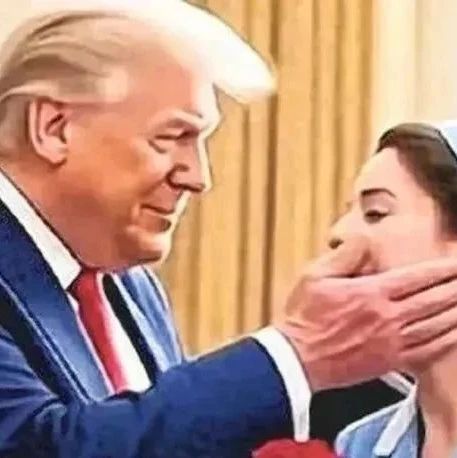
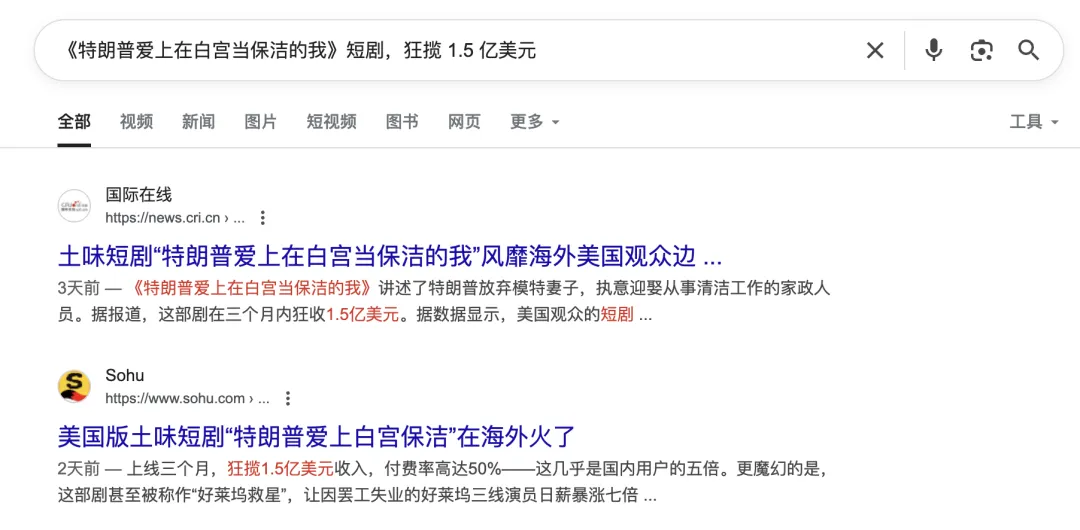
Core Viewpoint - The article discusses the viral spread of a fictitious short drama titled "Trump Falls in Love with the Asian Cleaner in the White House," which was reported to have generated $150 million in revenue within three months, targeting American women over 50. However, investigations revealed that the drama does not exist, and the reports were based on false information [2][4][6]. Summary by Sections - **Fictitious Drama Claims**: The article highlights that the short drama, which supposedly features Trump abandoning his supermodel wife for an Asian cleaner, has been widely reported but is confirmed to be non-existent. No evidence of the drama can be found on major platforms like ReelShort, YouTube, or IMDb [2][4][6]. - **Media Spread and Verification**: The narrative began with a report from Singapore's "Lianhe Zaobao," which described the drama in detail, including its supposed financial success. This report was then shared across various media outlets without verification, leading to a cascade of misinformation [9][10][13]. - **Key Evidence and Misleading Images**: The article notes that two images circulated as evidence of the drama were actually misattributed. One was a screenshot from "Saturday Night Live," and the other was identified as an AI-generated image, raising questions about the authenticity of the claims [16][19].