AI时代广告营销

Search documents
新“易中天”横空出世!改写“AI时代广告营销的底层逻辑”:GEO
Hua Er Jie Jian Wen· 2026-01-12 07:44
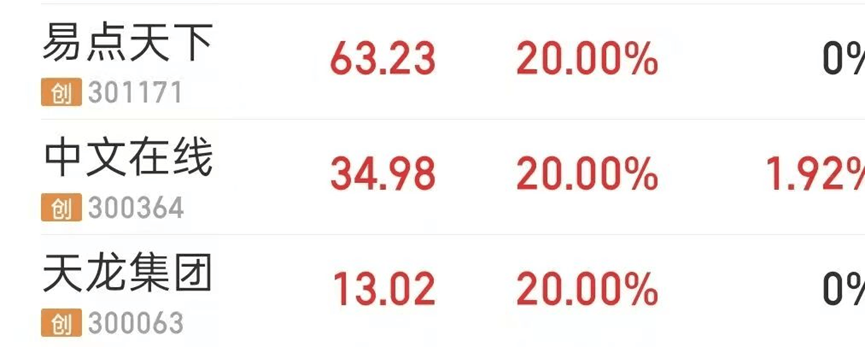
Core Viewpoint - The A-share AI application sector has experienced a collective surge, with stocks like ZhiDeMai and ZhuoYi Information hitting the daily limit, indicating a significant market interest in AI technologies and their applications [1][2]. Group 1: Market Dynamics - The advertising industry is undergoing a profound transformation as user decision-making shifts from "clicking links" to "reading AI-generated answers," fundamentally altering brand visibility [5][14]. - The emergence of Generative Engine Optimization (GEO) is becoming a new survival strategy in the AI search era, as traditional advertising methods are losing effectiveness [14][21]. Group 2: User Behavior Changes - Users are increasingly relying on AI search engines for direct answers, bypassing traditional web links, which has led to a decline in click-through rates for conventional search results [8][22]. - Data from Citic Securities indicates that monthly active users for ChatGPT and Doubao App have reached 780 million and 170 million, respectively, while traditional search engines like Baidu are seeing stagnant user growth [16]. Group 3: SEO vs. GEO - Traditional SEO focuses on ranking through keyword matching, while GEO emphasizes getting brands mentioned in AI-generated answers, shifting the optimization focus from clicks to AI recognition [26][27]. - GEO is defined as a marketing technology service aimed at ensuring brands are actively mentioned in AI searches, contrasting with the traditional SEO approach [26][27]. Group 4: Optimization Techniques - Effective GEO strategies include incorporating relevant quotes and statistics, which can significantly enhance visibility and citation rates in AI responses [37][40]. - The DDS principle emphasizes the importance of semantic depth, data support, and authoritative sources in creating content that AI models are likely to reference [41][43]. Group 5: Business Model Evolution - GEO represents a shift in advertising agencies from labor-intensive services to technology-driven solutions, with subscription-based models becoming more prevalent [50][57]. - The market for GEO is projected to reach approximately $11.2 billion globally by 2025, with significant growth potential as it replaces traditional SEO practices [66][61]. Group 6: Future Implications - The transition from traditional advertising to GEO signifies a broader shift in how brands engage with consumers, moving from driving traffic to being included in AI-generated answers [79][80]. - Companies must adapt to this new landscape by focusing on creating high-quality, verifiable content that AI models can reference, thereby enhancing their brand visibility [78][82].