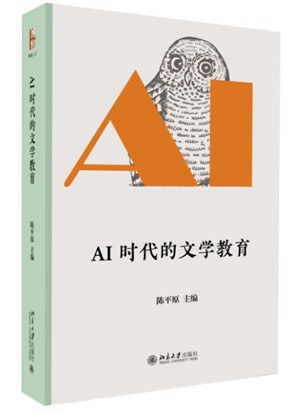
AI时代的文学教育

Search documents
人文学者不必全部拥抱AI,应该允许“抵抗”的声音存在
Di Yi Cai Jing· 2025-09-12 02:48
Core Insights - The rapid development of AI technology, particularly with the emergence of DeepSeek, has sparked significant discussions about the impact of AI on literature education and the humanities [1][2] - The book "Literature Education in the AI Era," edited by Professor Chen Pingyuan, compiles diverse scholarly perspectives on the relationship between AI and literature, reflecting a growing concern for this topic [1][2] Group 1: AI and Literature Education - The book features contributions from 35 scholars, with 33 articles exploring various dimensions of AI's influence on literature, including human destiny, poetry writing, and classroom teaching [1][2] - Chen Pingyuan emphasizes the importance of presenting multiple viewpoints in the book, allowing readers to engage in self-reflection on the optimistic and pessimistic perspectives regarding AI's role in humanities [2] Group 2: Challenges and Opportunities - Chen Pingyuan believes that the next decade will be a period of turbulence for the humanities due to AI's impact, but he also suggests that society will eventually adapt and find a balance, similar to past technological shifts [2] - The introduction of AI has raised the bar for innovation, making it challenging for many to achieve breakthroughs that were once attainable through hard work [3] Group 3: AI's Creative Limitations - AI excels in generating content based on existing materials but lacks the ability to produce literature that reflects genuine human experience and emotion [3][4] - The example of AI attempting to continue "Dream of the Red Chamber" illustrates its limitations in capturing the depth of human sentiment and the nuances of individual experiences [4]