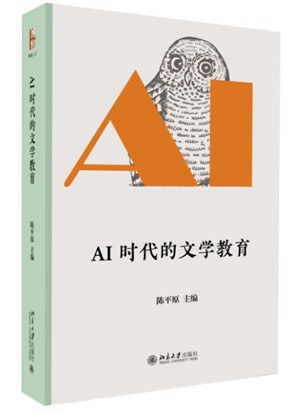
《AI时代的文学教育》

Search documents
吾家吾国丨四十余载淘书捐书路 走进北大学术伉俪的书香人生
Yang Shi Xin Wen· 2026-02-22 23:13
Core Viewpoint - The article highlights the deep connection between books and the lives of scholars Chen Pingyuan and Xia Xiaohong, showcasing their dedication to literature and the act of donating their extensive collection to promote public access to knowledge [1][11]. Group 1: Personal Connection to Books - Chen Pingyuan and Xia Xiaohong have cultivated a lifelong passion for books, which has become a significant emotional bond between them [8]. - Their shared interest in literature began during their university years and has evolved into a ritual of visiting bookstores and flea markets together [8][10]. - They have documented their book purchases in a journal, reflecting their commitment to the reading experience and the stories behind each book [10]. Group 2: Donation of Books - The couple donated 13,000 volumes to the Capital Library, emphasizing the importance of making valuable books accessible to the public [11]. - Their approach to donation is strategic, focusing on the value of the books rather than simply decluttering [13]. - The act of donating is seen as a way to ensure that their collection continues to have a meaningful impact on society [11][13]. Group 3: Cultural and Educational Impact - Chen Pingyuan is actively involved in addressing contemporary educational challenges, as evidenced by his work on a book about literature education in the AI era [11]. - Both scholars believe that the process of reading and personal engagement with literature is more valuable than the end result, highlighting the human experience in the age of technology [13].

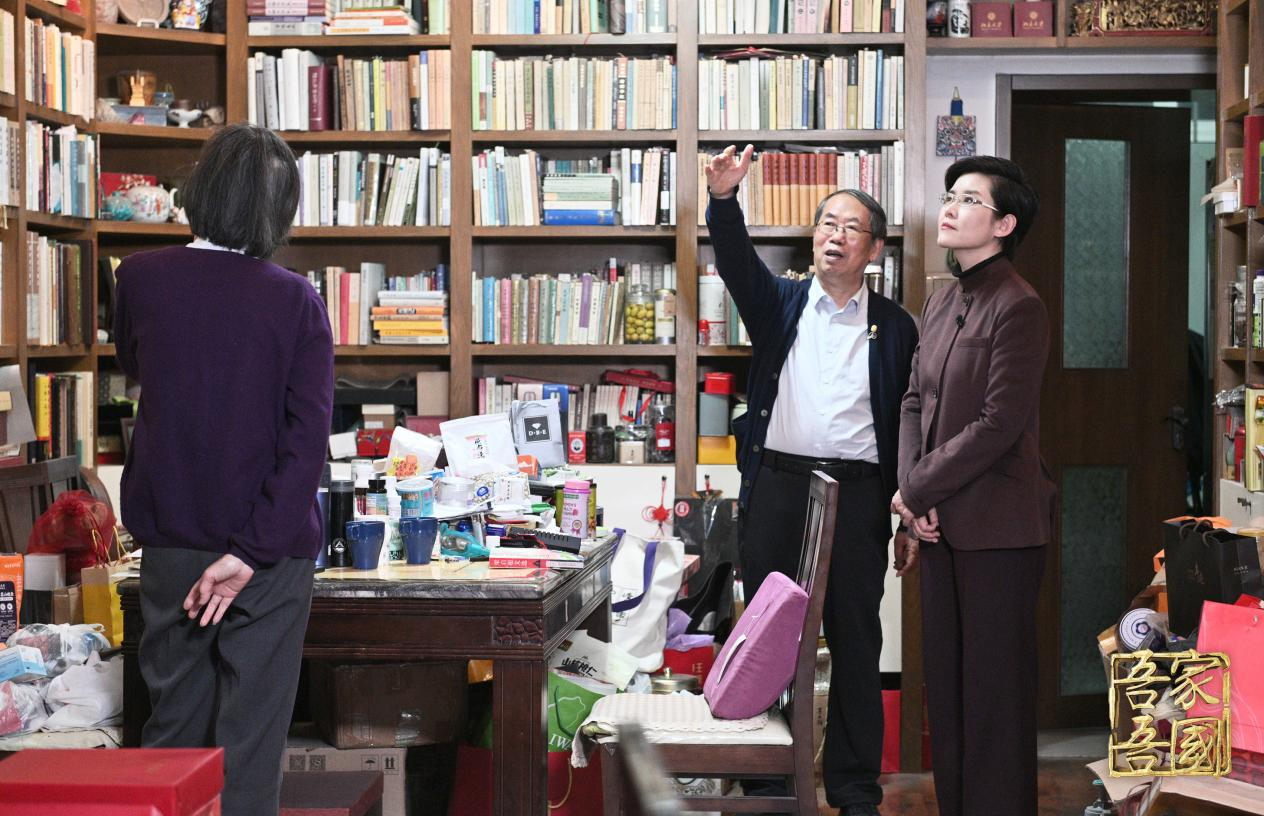
四十余载淘书捐书路,走进北大学术伉俪的书香人生
Xin Lang Cai Jing· 2026-02-22 16:55
Core Viewpoint - The article highlights the deep connection between renowned scholars Chen Pingyuan and Xia Xiaohong through their shared passion for books, emphasizing their dedication to literature and culture over four decades, culminating in the donation of their extensive collection to the Capital Library [1]. Group 1: Personal Connection to Books - Chen Pingyuan and Xia Xiaohong's relationship is deeply intertwined with their love for books, which has been a significant emotional bond since their meeting at Peking University [4]. - The couple's weekend routine of visiting old book stalls and bookstores has become a cherished ritual, reflecting their commitment to collecting literature [4][6]. - They initially attempted to document their book purchases in a notebook titled "Chen Xia Book Purchase Record," but the pace of their acquisitions made it impractical [4][6]. Group 2: Book Donation and Cultural Impact - The donation of 13,000 volumes to the Capital Library is part of a long-standing commitment to share valuable literature with the public, initiated as early as 2017 [8]. - Chen Pingyuan emphasizes the importance of donating valuable books rather than discarding unwanted items, aiming to enhance the public significance of literature [10]. - The couple believes that the best way to engage with society in their later years is to remain connected with contemporary issues, as demonstrated by their work on "Literary Education in the AI Era" [8][10]. Group 3: Reading Experience and Human Connection - Xia Xiaohong argues that the reading experience is vital in the AI era, as it emphasizes the unique human perspective that cannot be replicated by machines [10][11]. - The couple values the process of reading and knowledge accumulation over the end result, highlighting the importance of personal engagement with literature [10][11].
俯身跋涉 弦歌不辍
Xin Lang Cai Jing· 2025-12-31 21:06
Group 1 - The year 2025 marks the 900th anniversary of the birth of Song Dynasty poet Lu You, with notable publications such as "Ten Lectures on Lu You" and "Ten Lectures on Bai Juyi" by Professor Mo Lifeng from Nanjing University, reflecting over a decade of work in popularizing classical literature [1] - Professor Rong Xinjian from Peking University has dedicated over forty years to the study of Dunhuang studies, culminating in the complete release of the "Color Catalog of Dunhuang Documents in the National Library of France," which represents a significant achievement in the archival of overseas cultural treasures [1] Group 2 - Scholars have been actively responding to the challenges and opportunities presented by AI in the humanities, with works like "Literary Education in the AI Era" edited by Chen Pingyuan showcasing the humanities' sensitivity to technological revolutions [2] - Other notable publications include "Three Thousand Years of Ritual Governance: Law and Change" by Gu Tao, which explores the historical context of traditional Chinese ritual governance, and "The 'Book Exchange' of Ming and Qing Scholars" by Zhang Shengtong, which illustrates the dynamics of knowledge dissemination and interpersonal networks [2] - The ongoing research and writing efforts of scholars reflect a deep engagement with their fields and a commitment to dialogue with readers and the times, emphasizing the importance of continuous intellectual exploration [2]
人文学者不必全部拥抱AI,应该允许“抵抗”的声音存在
Di Yi Cai Jing· 2025-09-12 02:48
Core Insights - The rapid development of AI technology, particularly with the emergence of DeepSeek, has sparked significant discussions about the impact of AI on literature education and the humanities [1][2] - The book "Literature Education in the AI Era," edited by Professor Chen Pingyuan, compiles diverse scholarly perspectives on the relationship between AI and literature, reflecting a growing concern for this topic [1][2] Group 1: AI and Literature Education - The book features contributions from 35 scholars, with 33 articles exploring various dimensions of AI's influence on literature, including human destiny, poetry writing, and classroom teaching [1][2] - Chen Pingyuan emphasizes the importance of presenting multiple viewpoints in the book, allowing readers to engage in self-reflection on the optimistic and pessimistic perspectives regarding AI's role in humanities [2] Group 2: Challenges and Opportunities - Chen Pingyuan believes that the next decade will be a period of turbulence for the humanities due to AI's impact, but he also suggests that society will eventually adapt and find a balance, similar to past technological shifts [2] - The introduction of AI has raised the bar for innovation, making it challenging for many to achieve breakthroughs that were once attainable through hard work [3] Group 3: AI's Creative Limitations - AI excels in generating content based on existing materials but lacks the ability to produce literature that reflects genuine human experience and emotion [3][4] - The example of AI attempting to continue "Dream of the Red Chamber" illustrates its limitations in capturing the depth of human sentiment and the nuances of individual experiences [4]