AI版权生态

Search documents
聚焦版博会|“数”“智”交织,链接版权未来
Sou Hu Cai Jing· 2025-10-19 23:55
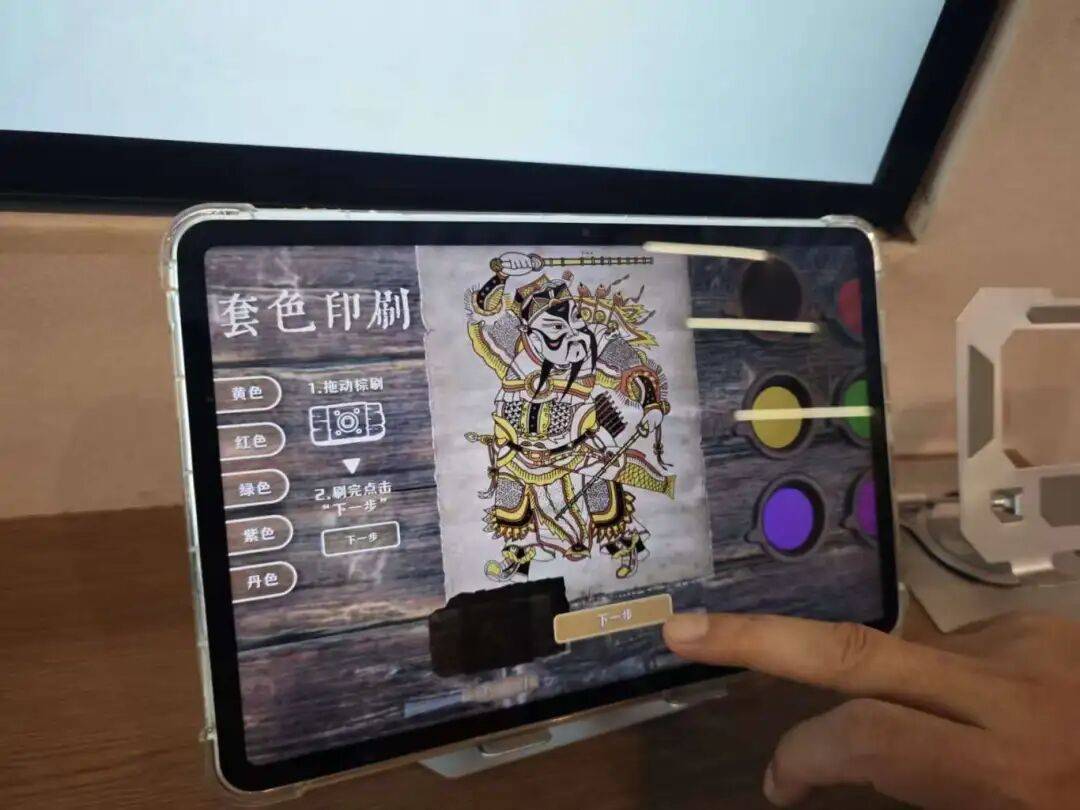
Core Insights - The integration of digital technology is transforming the copyright culture and industry paradigms, as showcased at the 10th China International Copyright Expo and the 2025 International Copyright Forum, emphasizing a collaborative industry ecosystem for sharing technological achievements and exploring development paths [1][2] Industry Trends - In 2023, China's copyright industry added value reached 9.38 trillion yuan, accounting for 7.44% of GDP, with a projected 19.13% year-on-year increase in copyright registrations in 2024 [2] - The global creative economy is experiencing three major trends: digital technology as a core driver, the expansion of innovative geographic patterns to Asia, Africa, and Latin America, and a shift from tangible trade to intangible assets [2] Technological Empowerment - AI is revolutionizing traditional publishing processes, significantly reducing the time required for tasks such as proofreading, which can now be completed in minutes instead of days [3] - The use of immersive VR experiences is enhancing the dissemination of cultural heritage, allowing audiences to engage emotionally with historical narratives [3] Youth Engagement - Traditional arts are being revitalized through digital technology, making them more accessible and appealing to younger generations, thus integrating them into contemporary culture [4][6] Digital Asset Management - The establishment of comprehensive digital asset protection and transaction platforms, such as "China V Chain," is addressing copyright issues in the digital space, particularly in the karaoke industry [7][10] - The Shandong province has developed a digital integration copyright trading platform with over 280,000 registered users, showcasing a significant volume of new publishing data resources [11] Policy Developments - The National Copyright Administration has issued guidelines to accelerate the high-quality development of copyright, focusing on the integration of copyright with new technologies like AI and big data [12]