AI科技赋能文旅

Search documents
官渡古镇×DeepYou,AI创新游览模式,邀你深游古镇!
Xin Lang Cai Jing· 2026-01-25 16:12
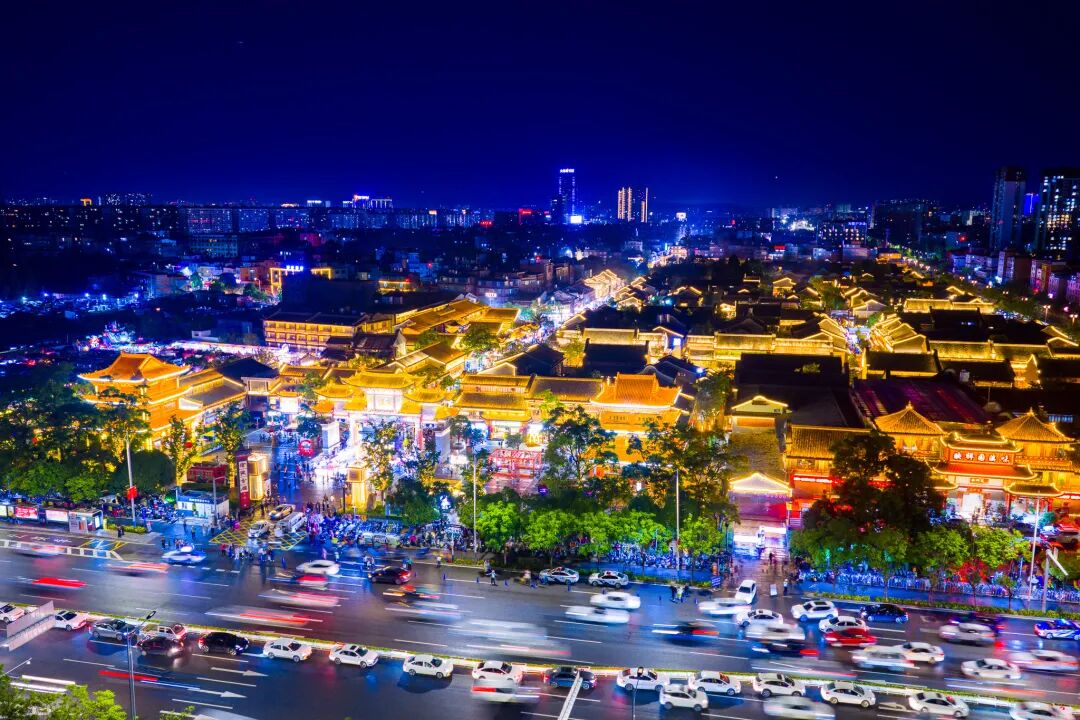
Core Viewpoint - Guandu Ancient Town is leveraging AI technology to enhance cultural tourism experiences, aiming to create a deep and immersive exploration of its historical and cultural heritage through a strategic partnership with DeepYou Digital Technology Co., Ltd [2][6][8]. Group 1: Cultural and Historical Significance - Guandu Ancient Town is recognized as a national AAAA-level tourist attraction and a national cultural and tourism consumption gathering area, showcasing rich historical sites from various dynasties [4]. - The town features significant cultural landmarks, including the Miaozhan Temple and various traditional residences, which reflect the vibrant tapestry of Yunnan's traditional culture [4]. Group 2: Technological Integration - The collaboration with DeepYou introduces an AI-guided tour program that integrates the town's historical narratives and intangible cultural heritage, enhancing visitor engagement [2][6]. - The DeepYou program offers real-time, location-based audio guides that automatically trigger explanations as visitors explore, providing a seamless and immersive experience [16]. Group 3: Visitor Experience Enhancement - The AI tour service includes eight different narration styles to cater to diverse visitor preferences, ensuring a personalized experience for various age groups [11][21]. - The program features an intelligent Q&A assistant that provides instant responses to inquiries about historical and cultural contexts, enhancing the overall visitor experience [19]. Group 4: Future Aspirations - Guandu Ancient Town aims to become a benchmark for smart cultural tourism by merging technology with cultural depth, facilitating the widespread dissemination of intangible cultural heritage stories [14].

2026年文旅产业高质量发展的十大趋势洞察
Sou Hu Cai Jing· 2026-01-08 08:39
Core Viewpoint - The Chinese cultural tourism industry is at a significant historical turning point, transitioning from a phase focused on scale and resource-driven growth to a new cycle emphasizing quality and value by 2026 [1] Group 1: Integration of Industries - The deep integration of "cultural tourism" with various industries is becoming a core strategy for optimizing regional economic structures and creating value [3] - In urban areas, projects like Shanghai's "Wukang Road" and Beijing's "Liangma River" demonstrate that cultural tourism is now a driving force for revitalizing old neighborhoods and underutilized spaces [4] - In rural areas, successful cultural tourism relies on a complete industrial ecosystem, integrating various professional forces to attract young creators and digital nomads back to rural communities [4] Group 2: Shift in Development Logic - The industry is experiencing a profound shift from a "traffic logic" focused on visitor numbers to a "value logic" that emphasizes economic and social cultural value [5][6] - Successful projects should enhance local pride, create jobs, and reinvest in community development and cultural heritage protection [6] Group 3: Empowerment through AI Technology - Digital technology is transforming the industry by integrating into core operations, enhancing experience, operational efficiency, and precision marketing [7][9] - Technologies like AR and AI are being used to create immersive experiences and improve operational management through real-time data analysis [7][9] Group 4: Evolution of Experience Ecology - Experience products are evolving towards "immersive" and "lightweight" travel options, reflecting urban consumers' demand for quality and relaxation [10][11] - The rise of "light tourism" and "micro-vacations" indicates a blurring of lines between travel and daily life, with a focus on comfort and quality [11] Group 5: Transformation of Travel Motivation - Younger travelers are shifting their motivations from visiting famous landmarks to experiencing desired lifestyles or participating in beloved activities [12][14] - This change presents challenges for traditional attractions while offering opportunities for diverse urban and rural spaces [14] Group 6: Elevated Consumer Demands - Modern travelers seek emotional resonance and self-fulfillment, moving beyond mere sightseeing to deeper experiences [15][17] - There is a growing demand for wellness tourism and responsible consumption, with travelers willing to pay a premium for environmentally friendly and community-positive options [17] Group 7: Market Restructuring - Demographic changes are reshaping the market, with the "silver economy" and younger generations driving new demands and innovations in cultural tourism [18] - The "new elderly" seek high-quality, slow-paced travel experiences, while younger generations are creating new products and business models in the tourism sector [18] Group 8: Cultural Core Driving Development - The tourism industry is transitioning from simple cultural displays to the ecological operation of cultural IPs, emphasizing deep cultural engagement and contemporary relevance [20] - Successful cultural IP operations require cross-disciplinary resource integration and continuous content creation [20] Group 9: Upgraded Global Outreach - China's cultural tourism "going out" strategy is evolving to focus on digital cultural products that resonate globally, moving beyond traditional attractions [21][23] - The popularity of digital cultural products is generating interest in visiting China, necessitating the development of themed travel routes linked to these cultural IPs [23] Group 10: Restructuring of Inbound Tourism - The inbound tourism market is set to enter a "fine-tuning" era by 2026, focusing on enhancing experience and service quality as barriers to entry are lowered [24][25] - There is a need for diverse, in-depth thematic products and comprehensive international service standards to meet the expectations of inbound tourists [25] Conclusion - The ten characteristics of the Chinese cultural tourism industry by 2026 are interconnected and point towards a more mature, resilient, and attractive future, emphasizing innovation and operational capabilities over resource dependency [26]