AI脑电监测

Search documents
AI脑电监测获批FDA:早产儿癫痫检测迎来新节点
思宇MedTech· 2025-11-26 08:29
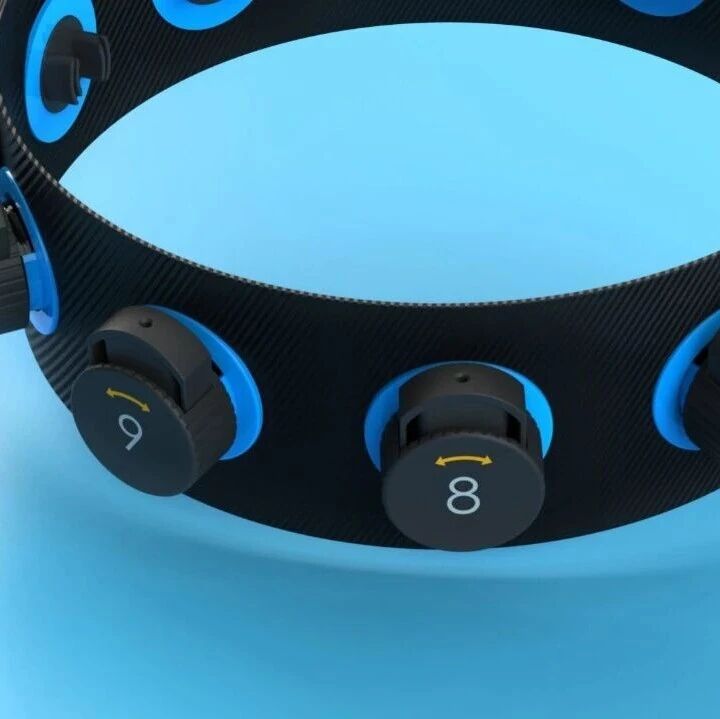
Core Updates: Clinical Value of the New Clarity Algorithm - The upgraded Clarity algorithm expands real-time, automated EEG seizure detection capabilities to newborns, particularly pre-term infants, addressing a long-standing gap in NICU neuro-monitoring [5][6] - Clarity's value lies in its ability to adapt to a complete range from pre-term to full-term infants, utilizing a retrained dataset and model recognition framework to identify seizure characteristics across different gestational ages [5][6] - The algorithm can analyze EEG data in seconds, automatically marking potential seizure events, which is crucial as over 80% of neonatal seizures are non-convulsive and only detectable via EEG [6][10] Data and Validation: Regulatory Evidence - The FDA 510(k) approval for the newborn indication is supported by EEG data from over 700 neonatal patients, representing the largest known validation dataset for neonatal seizure detection systems [10] - The approval emphasizes the importance of a large, multi-center dataset that covers all gestational ages and real clinical noise conditions, showcasing the algorithm's applicability in complex NICU environments [10] - CeriBell previously received pediatric algorithm approval based on over 1700 EEG data points, establishing a foundation for the subsequent newborn algorithm [10] Addressing Core Pain Points: Visibility of Neonatal Seizures - Neonatal seizures are often difficult to detect due to their non-convulsive nature, with over 80% being electrographic seizures that are not visibly apparent [14] - The challenges in monitoring include high heterogeneity in EEG waveforms, significant variations due to gestational age, and the need for algorithms to function effectively under low signal-to-noise ratios [13][14] - The lack of 24/7 EEG specialist teams in NICUs leads to delayed identification of seizures, which can adversely affect brain development and long-term neurological outcomes [15] Product System and Company Path: From Algorithm to Hardware - CeriBell's recent approval is part of a broader strategy to enhance its "AI + bedside EEG" system, integrating algorithms, headgear, and bedside EEG consoles [20][22] - The Neonatal Headcap is designed specifically for newborns, addressing challenges such as small head circumference and fragile skin, which are critical for stable algorithm performance [22] - The Bedside EEG Console aims for a "10-minute workflow," significantly reducing the time required for traditional EEG setups, thus facilitating broader deployment [22][24] Company Path: From IPO to Continuous Regulatory Expansion - CeriBell has established a clear development path, focusing on acute neuro-monitoring and emphasizing bedside EEG and AI interpretation [26][27] - The company achieved pediatric algorithm approval in early 2025, laying the groundwork for the subsequent newborn algorithm approval by the end of 2025 [28][29] - The strategic approach involves first addressing the most critical "invisible risks" before expanding monitoring capabilities to broader neurological scenarios [29][30] Conclusion - The recent regulatory approval for CeriBell's newborn algorithm signifies a transformative shift in the neuro-monitoring industry, moving from an expert-dependent technology to a scalable foundational capability [31] - This advancement is expected to improve early detection rates and reduce the long-term impacts of delayed treatment, particularly in regional hospitals and pre-referral stages [31]