AI通缩效应

Search documents
腾讯研究院AI速递 20260306
腾讯研究院· 2026-03-05 16:31
生成式AI 一、GPT-5.4核心内幕曝光:极限推理与百万token上下文 1. GPT-5.4已在LMArena和Codex内部进行A/B测试,通过错误日志、GitHub PR和员工截图被多次意外泄露,测 试版一次提示可生成6000+行代码; 2. The Information爆料GPT-5.4将配备极限推理模式(Extreme Reasoning Mode),上下文窗口从40万翻倍至 100万tokens,追平Gemini和Claude; 3. 最引人注目的传闻是GPT-5.4可能实现永久记忆(持久状态),疑似结合SSM与Transformer架构,坊间甚至称 上下文或超预期。 https://mp.weixin.qq.com/s/iLAIGQm4YnZXO2_ogBtdOA 二、谷歌发布Workspace官方CLI,一行命令操作全线产品 1. Google Workspace CLI上线GitHub,覆盖Drive、Gmail、Calendar、Sheets、Docs等全部Workspace产品, 所有输出均为JSON格式; 2. 工具实时读取谷歌API目录自动生成命令,支持MCP Server模式一 ...

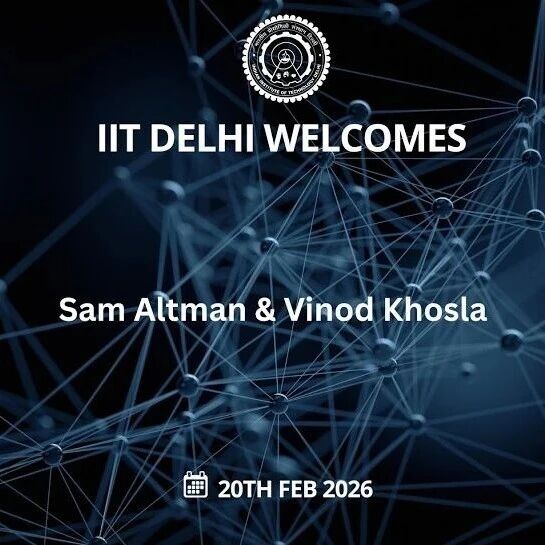
深度|Sam Altman对话硅谷著名投资人:2035年我们会进入一个极其通缩的经济体
Z Potentials· 2026-03-05 02:08
Core Insights - The dialogue emphasizes the transformative potential of AI, particularly in India, where young entrepreneurs are rapidly adopting AI technologies to create new products and services [3][4][6] - Sam Altman highlights the importance of adaptability and the need for individuals to learn meta-skills, as traditional technical knowledge may become less relevant in the future [12][13] - The discussion also touches on the economic implications of AI, suggesting that GDP may become a less effective measure of economic health due to AI-induced deflation [8][9] Group 1: AI and Young Entrepreneurs - Sam Altman expresses excitement about the energy and creativity of young people in India leveraging AI to build new ventures [4] - Vinod Khosla envisions significant changes in India by 2047, the centenary of its independence, driven by technological advancements [4] - The conversation underscores the rapid emergence of new startups and the innovative spirit among the youth in India [4][6] Group 2: Economic Implications of AI - Altman argues that traditional GDP metrics may become inadequate as AI drives deflationary pressures, suggesting a shift towards measuring quality of life instead [8][9] - Khosla predicts a highly deflationary economy by 2035, emphasizing the need for society to rethink its economic structures in light of these changes [9][10] - The dialogue suggests that the automation of scientific progress and economic activities will fundamentally alter the nature of work and value creation [7][10] Group 3: Skills for the Future - Altman stresses the importance of learning how to learn quickly and adapt to new tools, as specific technical skills may become obsolete [11][12] - The conversation highlights the significance of agency and curiosity as essential skills for young people to thrive in an AI-driven world [14][15] - Khosla emphasizes that maintaining a proactive mindset and resilience will be crucial for navigating the future job market [18][43] Group 4: AI Safety and Democratization - Altman discusses the need for a new safety infrastructure to ensure AI is used responsibly while fostering innovation [25][26] - The dialogue contrasts two potential futures: one where AI is centralized and controlled, and another where it is democratized, allowing widespread access and benefits [26][27] - The importance of resilience in the face of challenges posed by AI is highlighted, suggesting that a distributed power model may be the safest approach [26][27] Group 5: Future of Work and Innovation - Altman notes that the integration of AI will change the nature of work, with individuals able to accomplish tasks previously requiring large teams [31][32] - The discussion acknowledges that while some jobs may disappear, new opportunities will emerge, often in ways that are currently unimaginable [33][34] - Khosla emphasizes the need for a new socio-economic model to address the challenges and opportunities presented by rapid technological advancements [34]