Antitrust Concerns

Search documents
Netflix counsel decries Paramount ‘DISTRACTION' rhetoric amid Warner Bros bidding war
Youtube· 2026-02-18 23:30
Core Viewpoint - Paramount Sky Dance has six days to submit its final offer to acquire Warner Brothers Discovery, currently at $30 per share in cash, with additional incentives included [1] Group 1: Offer Details - Paramount Sky Dance's current offer is $30 per share, all cash, with added sweeteners [1] - Netflix's offer stands at $27.75 per share, accompanied by a $5.8 billion breakup fee [5] Group 2: Antitrust Concerns - Paramount Sky Dance's acquisition would reduce the number of major movie studios from five to four, raising significant antitrust concerns [6][7] - The Netflix transaction is viewed as less risky from an antitrust perspective, as it combines complementary assets rather than competing ones [9][13] Group 3: Market Impact - If Paramount acquires Warner Brothers, it could control a significant portion of the market share for major theatrical film releases, estimated to be in the high 30 percentage points [19] - Concerns have been raised about the potential increase in buying power for Paramount, which could negatively impact the creative community [19] Group 4: Strategic Positioning - Netflix believes it is in a strong position with a board-recommended deal that is superior in both economic and antitrust terms [16] - The company does not see the need to enhance its offer further, emphasizing the importance of regulatory approval over the offer size [16]



What to know about Netflix's landmark acquisition of Warner Bros
TechCrunch· 2026-01-23 20:31
Core Insights - Netflix has acquired Warner Bros.' film and television studios, including HBO and HBO Max, in a deal valued at approximately $82.7 billion, which is expected to significantly disrupt the streaming and entertainment industry [2][3][8] Company Developments - Warner Bros. Discovery (WBD) was under financial pressure due to billions in debt and declining cable viewership, prompting the exploration of a sale [4] - Netflix's all-cash offer was amended to $27.75 per WBD share, which was deemed more attractive than Paramount's bid of approximately $108 billion aimed at acquiring the entire company [7][8] - Paramount's attempts to acquire WBD were rejected multiple times due to concerns over its heavy debt load, which would have left the combined entity with $87 billion in debt [10] Regulatory Environment - The deal faces intense regulatory scrutiny, with Netflix co-CEO Ted Sarandos scheduled to testify before a U.S. Senate committee [13] - Prominent lawmakers have expressed concerns that the merger could lead to excessive market power, potentially harming consumers and stifling competition [14] - If regulators block the acquisition, Netflix would incur a $5.8 billion breakup fee [15] Industry Reactions - The Writers Guild of America (WGA) has criticized the merger on antitrust grounds, fearing it may limit diverse storytelling and lead to job losses [16][18] - Concerns exist regarding the impact on independent creators and the potential shortening of theatrical release windows for films [18][19] Subscriber Implications - Netflix has assured subscribers that HBO's operations will remain largely unchanged in the near term, with no immediate pricing changes expected during the regulatory approval period [20][21] - Historical trends suggest that Netflix may raise subscription prices after the acquisition is finalized [21] Timeline for Closure - The deal is not yet finalized, with a WBD stockholder vote expected around April, and the transaction anticipated to close 12 to 18 months after that, pending regulatory approvals [22]

WBD Bidding War "Story Built for Hollywood" as NFLX, PSKY & YouTube Fight for Views
Youtube· 2025-12-09 19:00
Core Insights - Netflix has been selected as the winning bidder for Warner Brothers Discovery's studio and streaming assets, but Paramount Sky Dance has launched a hostile all-cash bid of $108 billion for the entire company, indicating a competitive landscape in the streaming industry [2][3][4] Company Strategies - Paramount Sky Dance's bid is for the entire Warner Brothers Discovery business, including legacy networks, while Netflix is only interested in studio and streaming assets, preferring to have Discovery spun off [8][9] - Paramount's offer is open for 20 business days, and they require 51% of shareholders to accept their bid to gain control of the company [5][18] Financial Aspects - Paramount's bid includes $41 billion in equity financing and backing from private equity firms, indicating significant financial resources to support their acquisition strategy [6][18] - The valuation of Warner Brothers assets is already over $108 billion, and both companies may continue to raise their offers as they compete for shareholder approval [18][21] Regulatory Considerations - The potential merger between Netflix and Warner Brothers could face regulatory scrutiny due to concerns about anti-competitive practices, as Netflix already has over 340 million subscribers [11][14] - Paramount's acquisition may face less regulatory scrutiny, as it would consolidate a broader range of cable networks and media outlets [9][14] Industry Implications - This competitive bidding war may trigger a broader wave of consolidation within the streaming and entertainment industry, as companies seek to enhance their content libraries and subscriber bases [20][21] - The differing strategies of Netflix and Paramount highlight the ongoing battle for market share in the streaming space, with Netflix focusing on subscriber growth and Paramount aiming to expand its movie production capabilities [20][22]

Next shoe in Netflix-WBD saga drops as Paramount launches hostile bid that includes Trump son-in-law Jared Kushner
Yahoo Finance· 2025-12-08 15:25
Core Viewpoint - Paramount has launched a hostile all-cash bid for Warner Bros. Discovery (WBD) valued at $30 per share, positioning it as a superior alternative to Netflix's recent offer of $27.75 per share [1][3]. Group 1: Bid Details - The bid includes participation from Affinity Partners, led by Jared Kushner, and sovereign wealth funds from Saudi Arabia, Abu Dhabi, and Qatar [1]. - Affinity and other financing partners have agreed to forgo governance rights, which allows the transaction to avoid scrutiny from the Committee on Foreign Investment in the United States [2]. - Paramount's offer aims to acquire the entirety of WBD, including its Global Networks segment, unlike Netflix's deal which focuses on the studio and HBO Max [3]. Group 2: Competitive Positioning - Paramount argues that its offer provides a better value for WBD shareholders compared to Netflix's deal, which it claims is "inferior and uncertain" and may face a lengthy regulatory clearance process due to antitrust concerns [4][6]. - The company criticizes WBD's recommendation of the Netflix offer as based on an "illusory prospective valuation" and highlights the significant debt burden associated with Netflix's proposal, which includes $11 billion of debt and a $59 billion bridge loan [6]. Group 3: Leadership Statements - David Ellison, chairman and CEO of Paramount, emphasized that WBD shareholders deserve the chance to consider the all-cash offer, asserting that WBD has not engaged meaningfully with Paramount's previous proposals [7]. - Ellison expressed confidence that the proposed transaction would strengthen Hollywood, benefiting the creative community, consumers, and the movie theater industry through enhanced competition and increased content spending [8].
Paramount goes to war with Netflix for Warner Bros. Discovery with hostile $108.4B bid
TechCrunch· 2025-12-08 15:15
Core Viewpoint - Paramount has launched a hostile bid of $108.4 billion to acquire Warner Bros. Discovery (WBD), which comes shortly after WBD agreed to be acquired by Netflix for $82.7 billion, indicating a competitive landscape in the media and entertainment industry [1][4]. Group 1: Bid Details - Paramount's offer is an all-cash bid of $30 per share, which is $18 billion more in cash than Netflix's offer of $27.75 per share, comprising $23.25 in cash and $4.50 in Netflix shares [1][2]. - Paramount is seeking to acquire the entirety of WBD, while Netflix's agreement only includes WBD's Hollywood studios and streaming business [2]. Group 2: Financing and Support - The bid is supported by equity financing from the Ellison family and private-equity firm RedBird Capital, along with $54 billion in debt commitments from Bank of America, Citi, and Apollo [3]. Group 3: Regulatory Concerns - Paramount's CEO expressed concerns that WBD's board is pursuing an inferior proposal that could expose shareholders to risks associated with a mix of cash and stock, uncertain future trading values, and regulatory approval challenges [3][6]. - Both the Netflix and Paramount deals are likely to raise antitrust concerns due to the significant market share of the combined companies [6]. Group 4: Financial Implications - Netflix has agreed to pay WBD $5.8 billion if its deal does not go through, while WBD would owe Netflix $2.8 billion if the agreement collapses [7].


Trump says Netflix-Warner Bros. deal ‘could be a problem’
Fortune· 2025-12-08 00:14
Core Viewpoint - President Donald Trump has raised potential antitrust concerns regarding Netflix Inc.'s planned acquisition of Warner Bros. Discovery Inc., suggesting that the combined market share may lead to regulatory issues [1][2]. Group 1: Acquisition Details - The proposed acquisition is valued at $72 billion, which would merge Netflix, the world's leading streaming service, with HBO Max, currently ranked fourth in the market [2]. - The deal has attracted attention from antitrust regulators due to the significant market share that the combined entity would hold [2]. Group 2: Regulatory Implications - Trump indicated that the acquisition will undergo a review process, and its outcome remains uncertain [2]. - He acknowledged having met with Netflix co-CEO Ted Sarandos recently and expressed positive remarks about the streaming company [2].
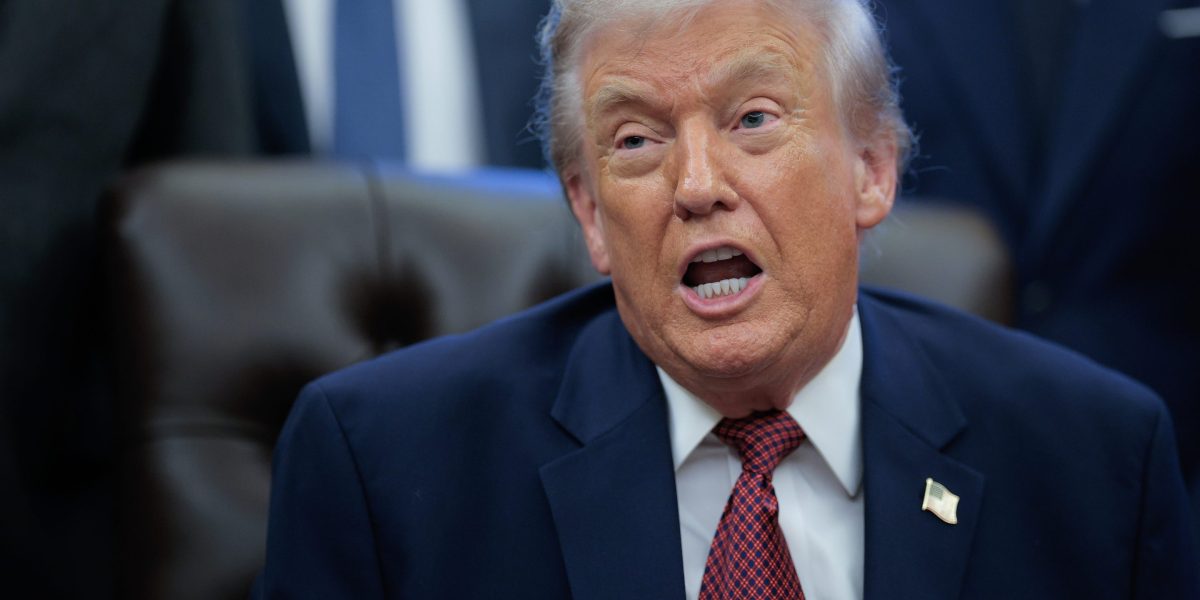
Shaking up streaming: What a Netflix-Warner Bros Discovery tie-up means for Asia
Youtube· 2025-12-08 00:02
Core Viewpoint - Netflix is making a significant acquisition by agreeing to buy Warner Brothers Discovery Studios and its streaming unit for $82.7 billion, which could reshape the Hollywood landscape and enhance Netflix's content offerings [1][3]. Group 1: Acquisition Details - The acquisition is valued at $82.7 billion, with Netflix offering $27.75 per share for Warner Brothers Discovery [1]. - The deal aims to expand U.S. production, increase original content spending, and unlock billions in cost savings [3]. - The acquisition is expected to close in approximately 12 to 18 months, although regulatory concerns may delay this timeline [3][4]. Group 2: Regulatory and Antitrust Concerns - There are significant antitrust concerns regarding the acquisition, with bipartisan political figures expressing worries about competition and potential price increases for consumers [5][6]. - Concerns have been raised about job losses in Hollywood due to consolidation, as overlapping roles may be eliminated [6][7]. Group 3: Market Implications - The deal could have implications for the streaming market in Asia, which is already fragmented and faces cultural and linguistic diversity challenges [8]. - The acquisition may indicate that Netflix is seeking to buy growth rather than relying solely on organic growth, suggesting potential limitations in its current growth trajectory [8]. Group 4: Consumer Behavior - There is a growing trend of subscription fatigue among consumers, with many now subscribing to multiple streaming services, leading to a decline in Netflix's viewership [10][11].

Here's everything you need to know about the Netflix-Warner Bros. deal
New York Post· 2025-12-05 17:40
Core Viewpoint - Netflix plans to acquire part of Warner Bros. Discovery in a $72 billion deal, which could significantly impact the entertainment industry, particularly streaming services [1][4]. Company Overview - The acquisition will include Warner Bros. Discovery's film and TV studios, HBO, and HBO Max, potentially combining over 400 million streaming subscribers and a vast content library [1][5]. - Netflix and HBO platforms will operate separately, but the merger could allow for a diverse range of content, including Netflix's hits and Warner Bros. classics [2][9]. Market Impact - The deal is expected to close after Warner Bros. spins off its Discovery Global business in Q3 2026, raising antitrust concerns [4][16]. - Netflix and HBO Max are currently the No. 1 and No. 4 streaming services globally, with approximately 300 million and 130 million subscribers, respectively [5][12]. Consumer Value - Netflix executives claim the deal will enhance consumer choice and value, providing subscribers with a broader selection of titles, although subscription price changes remain unclear [6][8]. - There is speculation that Netflix may adopt a bundling strategy similar to Disney, offering combined subscriptions for Netflix and HBO Max [8]. Competitive Landscape - The acquisition will allow Netflix to leverage Warner Bros.'s brands and properties, such as DC Comics and major franchises, to better compete with other industry giants like Disney [9][12]. - Paramount has expressed concerns about the merger, arguing it could reduce competition and has engaged with lawmakers to challenge the deal [12][15]. Regulatory Scrutiny - The deal is anticipated to face intense regulatory scrutiny from U.S. and international officials, with discussions already taking place at the White House regarding antitrust implications [12][16]. - Filmmakers have raised alarms about the potential impact on the theatrical marketplace, suggesting that the merger could stifle competition in Hollywood [17].

Netflix is buying WBD to grow subscribers and overall audience, says Puck's Matt Belloni
Youtube· 2025-12-05 13:50
Core Viewpoint - The ongoing transaction involving Paramount and Warner Brothers is under scrutiny, with concerns about the fairness of the process and potential legal actions from Paramount against Warner Brothers for perceived unfairness in the deal [1][2][3]. Group 1: Transaction Dynamics - Paramount has accused Warner Brothers of abandoning a fair transaction process, suggesting they may pursue legal action or appeal directly to shareholders [1][2]. - The termination fee for the deal is reported to be $5.8 billion, which Paramount could potentially pay to make a more competitive offer [8][9]. - The regulatory process surrounding the transaction is expected to be complex and lengthy, with political implications possibly influencing the outcome [5][6]. Group 2: Industry Reactions - The Hollywood creative community is reportedly not excited about the transaction, as the removal of a buyer like Paramount could lead to fewer opportunities for talent [21][22]. - Historical trends indicate that when a buyer is taken out of the entertainment ecosystem, it typically results in reduced opportunities for new productions [22]. - The acquisition of Warner Brothers by a tech company like Netflix is seen as a significant shift in the industry, raising concerns about the impact on traditional Hollywood values and opportunities [23][24]. Group 3: Strategic Implications for Netflix - Netflix's interest in acquiring Warner Brothers is driven by the need to enhance its library of intellectual property, which is crucial for subscriber growth and engagement [15][26]. - The value of legacy content is highlighted, as Warner Brothers' historical films continue to attract viewership on streaming platforms, indicating a strong demand for such titles [25][26]. - By owning Warner Brothers' library, Netflix aims to reduce reliance on licensing agreements, thereby strengthening its competitive position in the streaming market [26].
Apple: Growth in a Difficult Environment
The Motley Fool· 2025-05-01 21:40
Core Insights - Apple's Q2 2025 financial report shows a revenue increase of 5% to $95.4 billion and an 8% rise in earnings per share to $1.65, both exceeding analyst expectations [2][5] - The company is making progress in navigating trade issues, with a majority of devices shipped to the U.S. originating from India and Vietnam, although revenue from China fell by over 2% to $16 billion [4][5] Financial Performance - Revenue for Q2 2024 was $90.8 billion, increasing to $95.4 billion in Q2 2025, marking a 5% growth [2] - Earnings per share rose from $1.53 to $1.65, an 8% increase [2] - iPhone revenue increased slightly from $46.0 billion to $46.8 billion, a 2% growth [2] - Services revenue grew from $23.9 billion to $26.6 billion, a 12% increase [2] - Operating cash flow for the quarter was $24 billion, with a new $100 billion share-repurchase program announced and a 4% increase in quarterly dividend to $0.26 per share [5] Market Reaction - Despite solid quarterly results, Apple shares fell 2% in after-market trading, continuing a downward trend with a nearly 15% decline year-to-date prior to earnings [6] Strategic Outlook - The shift in sourcing iPhones outside of China is seen as a positive development, but concerns remain about potential shifts toward local brands in China due to ongoing trade tensions [7] - Apple's revenue from royalties related to Google being the default search engine on iPhones is at risk due to antitrust issues, raising investor concerns [8] - Investors are looking for insights on Apple's future outlook, product refreshes, and AI enhancements to stimulate sales [8]