Business management

Search documents
Every business owner needs to hear this in 2026
20VC with Harry Stebbings· 2026-04-09 19:50
You've got to run these businesses right now like you're in this insane period of time when money is just raining down on everyone and all the time you should be saying to yourself at some point the music will stop and twothirds of the people will have to go how do I make sure I'm the one-third that make. ...


Why buying Berkshire was Warren Buffett's biggest mistake
CNBC· 2025-12-25 13:12
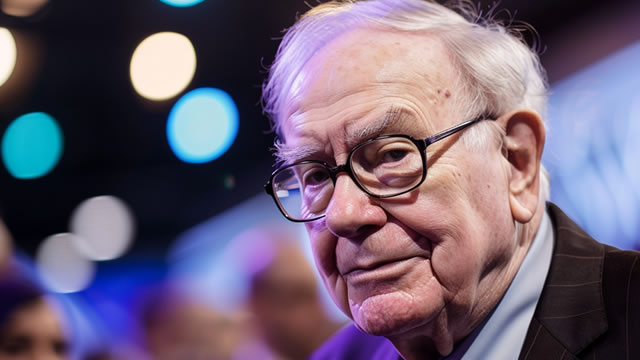
Core Insights - Warren Buffett is entering his final week as CEO of Berkshire Hathaway, a company he has transformed from a struggling textile manufacturer into a conglomerate valued at over $1 trillion [2] - Buffett's net worth is estimated at $151 billion, primarily from his Class A shares in Berkshire Hathaway, ranking him 10 on the Bloomberg Billionaires Index [2] - Despite his success, Buffett has referred to Berkshire Hathaway as "the dumbest stock I ever bought," highlighting a significant mistake that cost him hundreds of billions [3][10] Company History and Transformation - Buffett acquired control of Berkshire Hathaway in 1965, initially viewing it as a cheap stock in a declining textile business [5][6] - The company had been closing mills and buying back its stock, which led Buffett to believe he could profit from a tender offer [6][9] - After a disappointing tender offer price, Buffett decided to buy control of the company and eventually shifted its focus away from textiles [9][10] Lessons Learned - Buffett acknowledges that investing in a poor business can be detrimental, stating that if he had invested in a good business instead of textiles, Berkshire Hathaway would be worth twice as much today, estimating a potential value of $200 billion [11][12] - He emphasizes the importance of recognizing when to exit a bad business, stating that it took him 20 years to abandon the textile operations [12][17] - The experience taught Buffett that it is better to invest in good businesses at fair prices rather than cheap businesses with poor economics [16][20] Business Philosophy - Buffett's management philosophy diverges from conventional business school teachings, as he prefers to retain underperforming businesses unless they are permanently losing money or facing major issues [22][23] - He believes that the difficulty of a business does not equate to its potential for success, advocating for a focus on simpler, more manageable investments [20][21] - Buffett credits his business partner, Charlie Munger, for influencing his investment approach and acknowledges that he could have avoided many mistakes by heeding Munger's advice [24]