
Climate risk

Search documents
Big-ticket investments to take off on steady demand: SBI Chairman CS Setty
The Economic Times· 2025-12-22 00:00
Core Insights - State Bank of India (SBI) aims to be the first bank to achieve an annual net profit of ₹1 lakh crore and has ruled out equity dilution for the next five years [1][12] - SBI expects to grow its loan market share for small and medium enterprises (SMEs) from 13% to 16-17% [1][12] - The bank anticipates a structural transformation in balance sheets as customers diversify their savings into mutual funds, insurance, and pensions [3][19] Business Growth and Strategy - SBI is adding approximately ₹10 lakh crore in business annually and prefers organic growth over consolidation [2][10] - The bank's credit growth is projected at 12-14%, primarily driven by retail, agriculture, and MSME sectors, which constitute 65% of its domestic book [13][25] - SBI has simplified its lending process for MSMEs, resulting in quicker approvals and competitive pricing [25] Market Conditions and Economic Outlook - SBI expects India's economic growth to exceed 7.5% in FY27, with inflation remaining below 4% [9][24] - The bank has not observed significant impacts on exporters from US tariffs, as many are diversifying their markets [8][24] Wealth Management and Investment - SBI is serious about wealth management, targeting an increase in assets under management (AUM) from ₹1 lakh crore to ₹15 lakh crore by 2030 [20] - The bank is developing products for loans against shares, aligning with its wealth management strategy [21] Environmental and Governance Initiatives - SBI has established an ESG department with goals to make 7.5% of its portfolio green by 2030, currently at 2-3% [23]


Zillow quietly removed millions of climate risk scores from the listings on its site. Will that help or harm homebuyers?
Yahoo Finance· 2025-12-19 12:00
Core Insights - Climate change is projected to lead to a $1.47 trillion reduction in real estate value over the next 30 years due to increased insurance costs and population shifts [1][6] - Zillow has removed climate risk ratings from its listings, which may reduce visibility for potential buyers [6][17] - The California Regional Multiple Listing Service (CRMLS) has raised concerns about the accuracy of flood risk models, prompting Zillow's actions [4][6] Climate Risk and Real Estate - First Street's analysis indicates that climate-related risks are reshaping real estate markets and regional economies across the U.S. [6] - From 2020 to 2023, average property insurance premiums increased by over 30%, particularly in areas prone to hurricanes and wildfires [7] - Approximately 26% of U.S. homes are exposed to at least one type of severe or extreme climate risk [13][10] Impact on Buyers and Market Dynamics - Research shows that displaying climate risk data significantly influences buyers' decisions, affecting property searches, bidding, and final purchases [8][9] - Buyers are willing to make trade-offs regarding amenities for properties with lower flood risk, leading to changes in property prices [9] - Critics argue that while climate-risk ratings are acknowledged, the challenge lies in accurately valuing individual properties [9][10] Due Diligence and Recommendations - Buyers are advised to conduct thorough due diligence on climate risks, as this information is now essential in the home-buying process [12][17] - It is recommended to check insurance coverage and obtain quotes before making an offer, especially in high-risk areas [14][16] - Even without climate risk scores on Zillow, buyers must perform their own climate checks early in the home search process [17]

Zillow Deleting Home Climate Risk Scores Reveals Limits of Flood, Fire Data
Insurance Journal· 2025-12-10 05:08
Core Viewpoint - Zillow Group Inc. has removed climate risk scores from its home listings, which has raised concerns among observers about the implications of this decision on property risk awareness and market pricing [1][5]. Climate Risk Assessment - Homeowners and buyers require knowledge of their properties' vulnerabilities to extreme weather events like wildfires and flooding, as traditional federal and state maps are often outdated [2]. - A study by the Climate Financial Risk Forum found significant discrepancies in climate risk ratings for the same properties from different companies, indicating a lack of standardization in risk modeling [3]. - Risk modeling is still an emerging field, and it may take time for consistent norms to be established [4]. Market Implications - The removal of Zillow's climate risk scores could lead to mispricing of real estate assets, as oversimplified or inaccurate climate impact projections may distort market values [5]. - The California Regional Multiple Listing Service expressed concerns over properties being rated with high flooding probabilities despite historical data showing no flooding [6]. Industry Trends - The demand for climate risk information is increasing as climate disasters become more frequent, prompting companies like Moody's, S&P Global, and CoreLogic to develop or acquire climate-risk products [7]. - First Street, the company behind the scores Zillow used, acknowledges the complexity and uncertainty inherent in climate risk models, especially when localized to specific properties [8]. Risk Model Limitations - First Street's risk scores focus on estimating a structure's exposure to hazards over a 30-year period, rather than predicting potential damage, highlighting the need for clarity in what these scores represent [12]. - The relationship between physical hazards and the built environment is crucial in understanding actual risk, as various structural factors can influence vulnerability [10][9]. Recommendations for Improvement - There is a call for public models to provide a benchmark for evaluating private risk assessments, as seen in Florida's public hurricane catastrophe model [13]. - Standardizing climate-risk data approaches could enhance market trust and ensure accurate home pricing, although the specifics of model output disclosure remain unclear [14].

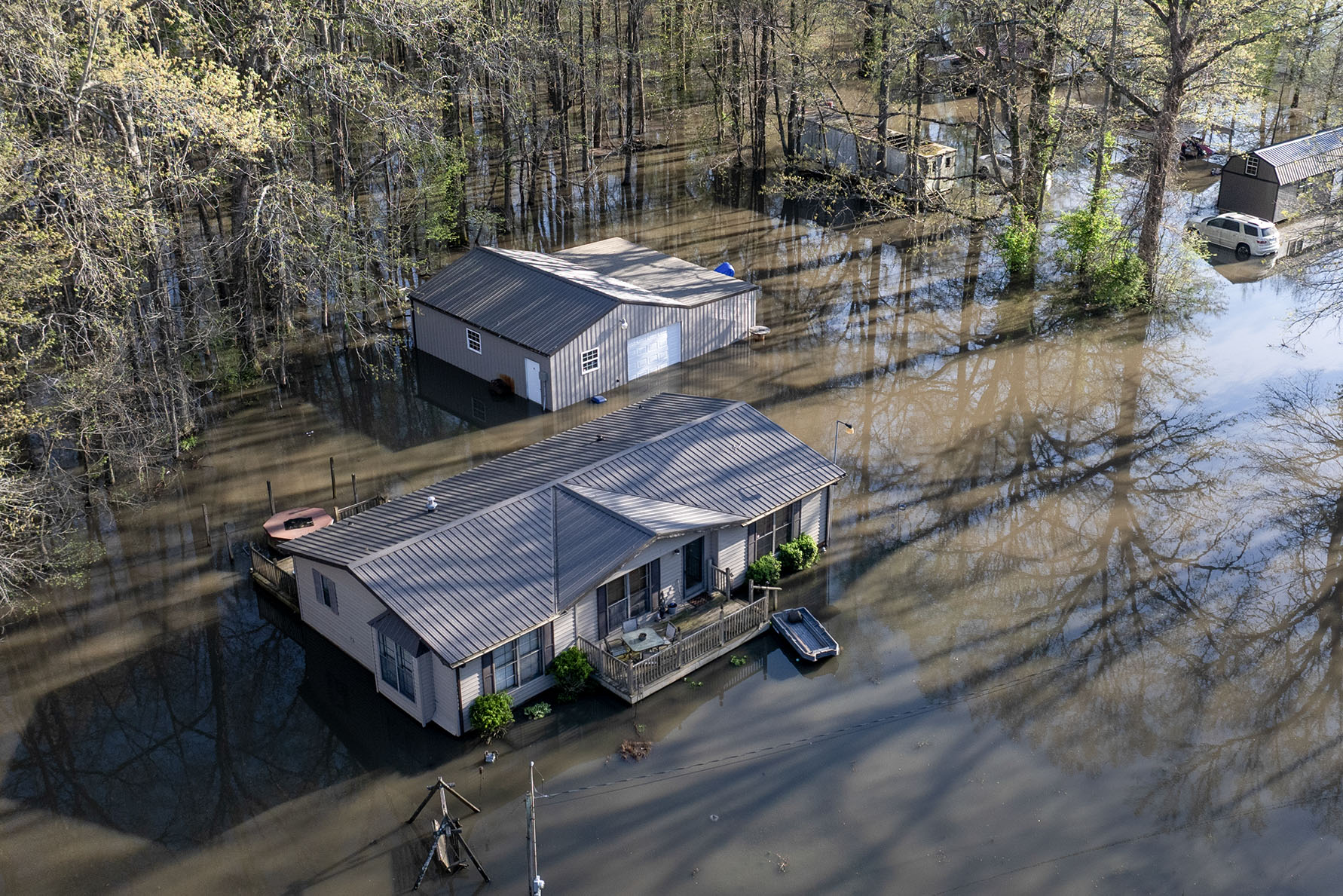
Homeowners insurance costs could spike over next 2 years
Yahoo Finance· 2025-11-24 20:33
Core Insights - Homeowners are projected to see insurance premiums increase by 16% over the next two years due to rising natural disasters and rebuilding costs [1] - The average homeowner insurance premium is expected to rise by 8% in both 2026 and 2027 [1] Insurance Premium Trends - Insurance premiums have been rising dramatically, with some areas experiencing double-digit growth [2] - Currently, insurance accounts for 9% of the typical U.S. homeowner's payment, the highest average on record [3] Factors Driving Premium Increases - Higher rebuilding costs, influenced by overall inflation and housing supply-chain issues, are driving premiums higher [3] - More frequent natural disasters have led to increased damage and claims, prompting insurers to adjust their pricing [4] Climate Risk and Real Estate - A significant portion of U.S. housing stock faces severe or extreme climate risks, including 6% for flooding, 18% for wind risk, and 6% for wildfire [4] - Trillions of dollars in real estate are exposed to significant risk, with coastal markets particularly vulnerable to severe flood risk [5] Market Impact - The increase in homeowners insurance costs could further hinder buyers in an already stagnant housing market, exacerbating the affordability crisis [6] - Rising premiums may discourage potential buyers from estimating their monthly housing expenses accurately [7]
Willis and Rare partners to launch innovative insurance solution for fishers in the Philippines
Globenewswire· 2025-11-12 04:00
Core Insights - The Philippines has launched its first parametric insurance solution aimed at protecting the livelihoods of 14,200 small-scale fishers, marking a significant step in climate risk management [1][3][4] Government and Partnerships - The initiative is a collaboration between the Bureau of Fisheries and Aquatic Resources (BFAR), the Philippine Crop Insurance Corporation (PCIC), global conservation organization Rare, and Willis, a WTW business [1][2] - Funding for the project comes from the Ocean Risk and Resilience Action Alliance (ORRAA), supported by the Governments of Canada and the UK [2][12] Insurance Details - The parametric insurance is designed to mitigate income losses due to adverse weather conditions, providing up to US$100 per policy cycle to offset income loss from dangerous weather [4][5] - The insurance utilizes a weather index based on wind speed, sea state, and rainfall to determine payout eligibility, ensuring timely compensation for lost fishing days [4][6] Impact on Fishers - The program aims to reduce financial pressure on fishing households and promote sustainable fishing practices, thereby enhancing the resilience of coastal communities [5][6] - BFAR will act as the policyholder, demonstrating government support for innovative climate risk solutions [4][6] Future Prospects - If successful, the pilot program could evolve into a nationally scalable tool for protecting coastal livelihoods, complementing existing insurance coverage [6]

