Cross - regional Collaboration

Search documents
LP出资大增
FOFWEEKLY· 2026-03-13 09:58
Core Insights - The article highlights the active participation of LPs in the investment market, with a notable increase in funding despite a slight month-on-month decline in activity due to the Spring Festival [4][30]. - The focus is on the collaboration between central and local governments, which is driving capital allocation towards strategic industries and innovation [30][31]. Group 1: LP Activity Overview - In February, the activity of institutional LPs decreased by 6.3% month-on-month but increased by 67% year-on-year, indicating a stable long-term investment confidence [6]. - A total of 528 new private equity and venture capital funds were registered in February, a decrease of 3.65% month-on-month but an increase of 81.44% year-on-year [6]. - The top three regions for LP activity were Zhejiang, Guangdong, and Jiangsu, with Guangdong leading in funding scale due to the establishment of the Guangdong Province Strategic New Industry Guidance Fund [8][26]. Group 2: Policy LPs - Policy LPs regained market dominance with a 35.75% share of total LP activity, despite a 6% decrease in activity but a 42% increase in funding scale [10][11]. - The establishment of large-scale guidance funds and enhanced collaboration between central and local governments are key trends, with significant funds being set up in various regions [13][14]. - The Guangdong Province Strategic New Industry Guidance Fund, with a total scale reaching over 100 billion, aims to support key industries such as advanced manufacturing and semiconductors [14]. Group 3: Industry LPs - Industry LPs saw a 20% decrease in activity, with a 51% drop in funding scale, reflecting a strategic adjustment rather than a retreat [17]. - These LPs are focusing on core sectors and fostering collaboration between industry, academia, and research to drive innovation [19]. - Notable initiatives include the establishment of funds targeting specific industries, such as the Changjiang Special Automobile Industry Investment Fund, which focuses on the specialized automobile sector [17][18]. Group 4: Financial Institutions - Financial institution LPs experienced a 9% decrease in activity and a 34% decrease in funding scale, with AIC continuing to play a significant role in funding national and provincial funds [20]. - Insurance capital is becoming increasingly active, with major players participating in various funds, indicating a potential shift towards long-term capital sources [20]. Group 5: Financial LPs - Financial LPs saw a 17% increase in activity and a 14% increase in funding scale, signaling a positive trend in capital inflow and structural optimization [21]. - The involvement of foreign QFLP funds is notable, with international institutions showing interest in China's capital market and innovation sectors [22]. Group 6: Regional Dynamics - Jiangsu, Guangdong, and Hubei emerged as key regions for capital deployment, driven by the establishment of large-scale funds [24][26]. - The article emphasizes the importance of cross-regional collaboration, with various regions breaking down investment barriers and focusing on differentiated industrial layouts [26]. Conclusion - Overall, LP funding remains robust, with policy LPs leading the way in collaboration and capital allocation, while industry and financial LPs adapt to market conditions [30]. - The future outlook suggests a continued focus on national strategies and industry frontiers, enhancing the equity investment market's potential [31].


扩围、破局 科创中心书写区域创新发展的“新答卷”
Yang Shi Wang· 2026-02-02 12:30
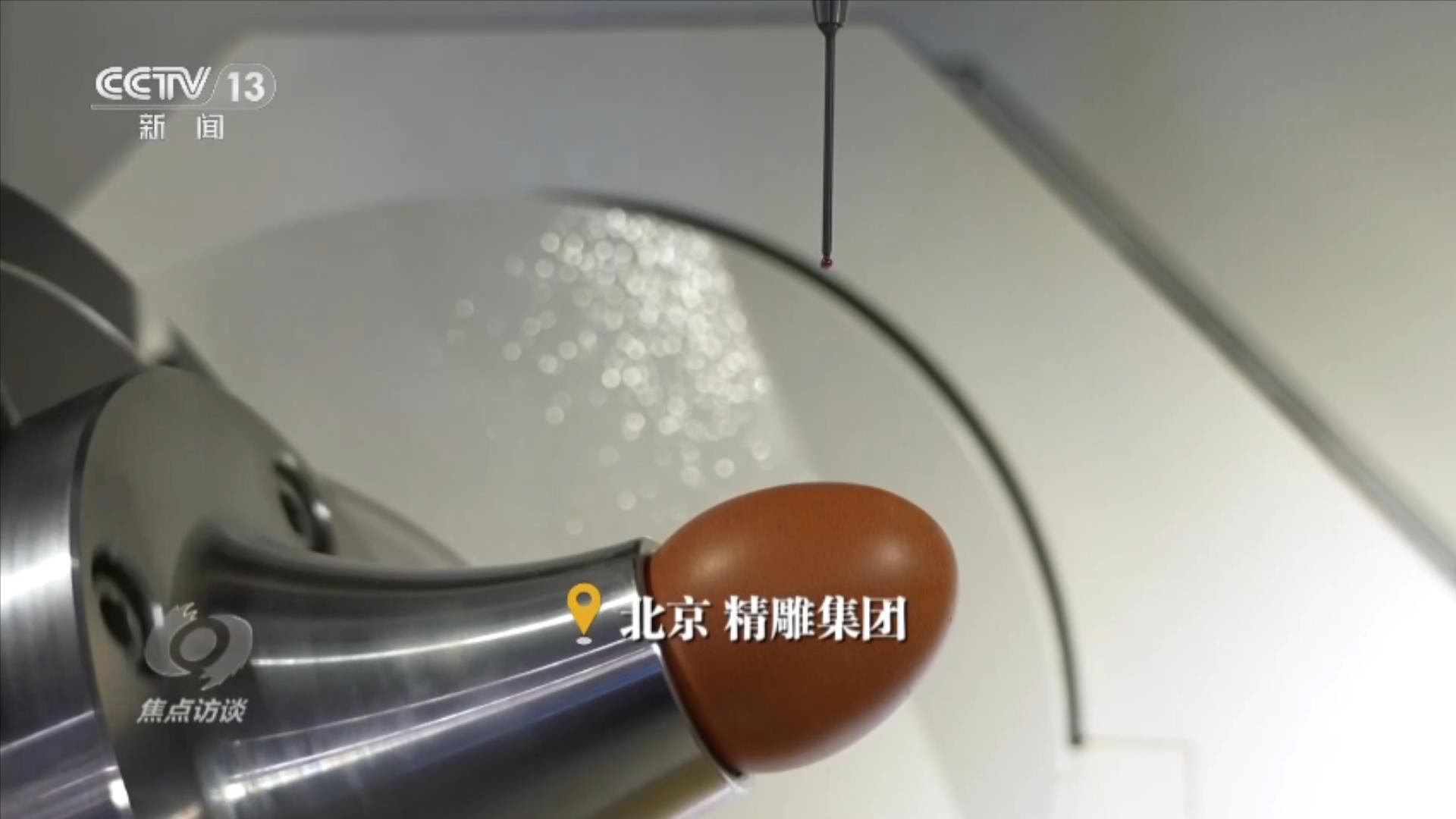
Core Viewpoint - The 2025 Central Economic Work Conference emphasizes the expansion of international technology innovation centers in Beijing (Jing-Jin-Ji), Shanghai (Yangtze River Delta), and the Guangdong-Hong Kong-Macao Greater Bay Area, aiming to enhance regional innovation capabilities and address existing bottlenecks in innovation development [1][9][20]. Group 1: Beijing and Shanghai's Current Status - Beijing has maintained its position as the top global research city for nine consecutive years, with R&D investment intensity stable at around 6% [1]. - Shanghai has established 20 major technological infrastructures, with the total market value of listed companies on the Sci-Tech Innovation Board ranking first in the country [1]. - The expansion to Jing-Jin-Ji and the Yangtze River Delta aims to overcome innovation development bottlenecks and release new momentum for growth [1][9]. Group 2: Collaborative Development in Jing-Jin-Ji - The cross-regional division of labor in Jing-Jin-Ji has developed, with R&D in Beijing, manufacturing in Tianjin, and assembly in Hebei [5][7]. - During the 14th Five-Year Plan, the technology contract transaction amount from Beijing to Tianjin and Hebei exceeded 320 billion yuan, with an annual growth rate of 23%, indicating a significant increase compared to the previous five-year period [7]. - The collaborative development strategy has allowed companies like Beijing Jingdiao Group to thrive by focusing on R&D while leveraging manufacturing capabilities in Tianjin and assembly in Hebei [5][12]. Group 3: Challenges and Solutions in Regional Cooperation - Despite the progress, challenges remain in the collaborative framework, such as insufficient industrial coordination and barriers to the free flow of talent and resources among the three regions [10][12]. - The establishment of the Xiong'an New Area's Zhongguancun Science Park exemplifies efforts to break down administrative barriers and enhance cross-regional collaboration [14][16]. - The Xiong'an initiative has attracted over 260 enterprises, with 65% from Beijing, creating specialized industrial chains and generating over 1,200 new intellectual property rights [16]. Group 4: Long-term Vision for the Yangtze River Delta - The Yangtze River Delta has established a joint mechanism for cross-regional collaboration, funding over 100 joint projects with a total investment exceeding 1.7 billion yuan since 2022 [9][18]. - The National Major Science and Technology Infrastructure for Translational Medicine aims to create a shared resource platform to facilitate innovation and reduce R&D costs for companies in the region [18][19]. - The "Yangtze River Delta Technology Resource Sharing Service Platform" has gathered over 56,000 large scientific instruments and facilitated nearly 12,000 services for enterprises, demonstrating the effectiveness of resource sharing [19]. Group 5: Future Directions and Goals - The strategic expansion aims to transform the existing collaborative foundation into a competitive advantage on the international stage, enhancing the innovation capabilities of both Jing-Jin-Ji and the Yangtze River Delta [9][20]. - By 2030, the goal is for Beijing to become a world-class source of technological innovation, while Shanghai aims to significantly enhance its position and influence in the global innovation network [20][22]. - The overall vision is to create a more integrated and efficient innovation ecosystem across these regions, fostering a new model of development that emphasizes collaboration and resource sharing [22].