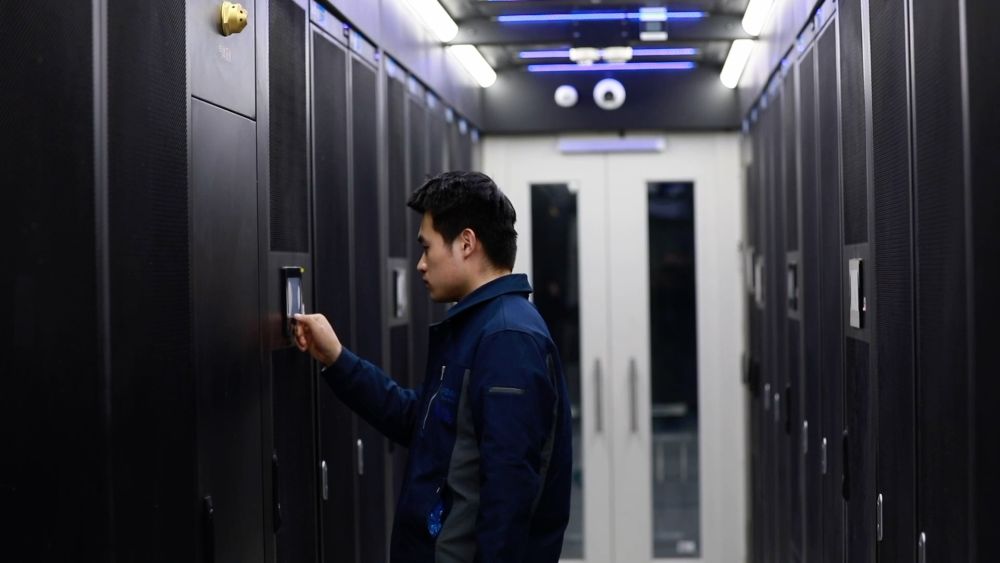
高精密数控机床

Search documents
扩围、破局 科创中心书写区域创新发展的“新答卷”
Yang Shi Wang· 2026-02-02 12:30
Core Viewpoint - The 2025 Central Economic Work Conference emphasizes the expansion of international technology innovation centers in Beijing (Jing-Jin-Ji), Shanghai (Yangtze River Delta), and the Guangdong-Hong Kong-Macao Greater Bay Area, aiming to enhance regional innovation capabilities and address existing bottlenecks in innovation development [1][9][20]. Group 1: Beijing and Shanghai's Current Status - Beijing has maintained its position as the top global research city for nine consecutive years, with R&D investment intensity stable at around 6% [1]. - Shanghai has established 20 major technological infrastructures, with the total market value of listed companies on the Sci-Tech Innovation Board ranking first in the country [1]. - The expansion to Jing-Jin-Ji and the Yangtze River Delta aims to overcome innovation development bottlenecks and release new momentum for growth [1][9]. Group 2: Collaborative Development in Jing-Jin-Ji - The cross-regional division of labor in Jing-Jin-Ji has developed, with R&D in Beijing, manufacturing in Tianjin, and assembly in Hebei [5][7]. - During the 14th Five-Year Plan, the technology contract transaction amount from Beijing to Tianjin and Hebei exceeded 320 billion yuan, with an annual growth rate of 23%, indicating a significant increase compared to the previous five-year period [7]. - The collaborative development strategy has allowed companies like Beijing Jingdiao Group to thrive by focusing on R&D while leveraging manufacturing capabilities in Tianjin and assembly in Hebei [5][12]. Group 3: Challenges and Solutions in Regional Cooperation - Despite the progress, challenges remain in the collaborative framework, such as insufficient industrial coordination and barriers to the free flow of talent and resources among the three regions [10][12]. - The establishment of the Xiong'an New Area's Zhongguancun Science Park exemplifies efforts to break down administrative barriers and enhance cross-regional collaboration [14][16]. - The Xiong'an initiative has attracted over 260 enterprises, with 65% from Beijing, creating specialized industrial chains and generating over 1,200 new intellectual property rights [16]. Group 4: Long-term Vision for the Yangtze River Delta - The Yangtze River Delta has established a joint mechanism for cross-regional collaboration, funding over 100 joint projects with a total investment exceeding 1.7 billion yuan since 2022 [9][18]. - The National Major Science and Technology Infrastructure for Translational Medicine aims to create a shared resource platform to facilitate innovation and reduce R&D costs for companies in the region [18][19]. - The "Yangtze River Delta Technology Resource Sharing Service Platform" has gathered over 56,000 large scientific instruments and facilitated nearly 12,000 services for enterprises, demonstrating the effectiveness of resource sharing [19]. Group 5: Future Directions and Goals - The strategic expansion aims to transform the existing collaborative foundation into a competitive advantage on the international stage, enhancing the innovation capabilities of both Jing-Jin-Ji and the Yangtze River Delta [9][20]. - By 2030, the goal is for Beijing to become a world-class source of technological innovation, while Shanghai aims to significantly enhance its position and influence in the global innovation network [20][22]. - The overall vision is to create a more integrated and efficient innovation ecosystem across these regions, fostering a new model of development that emphasizes collaboration and resource sharing [22].

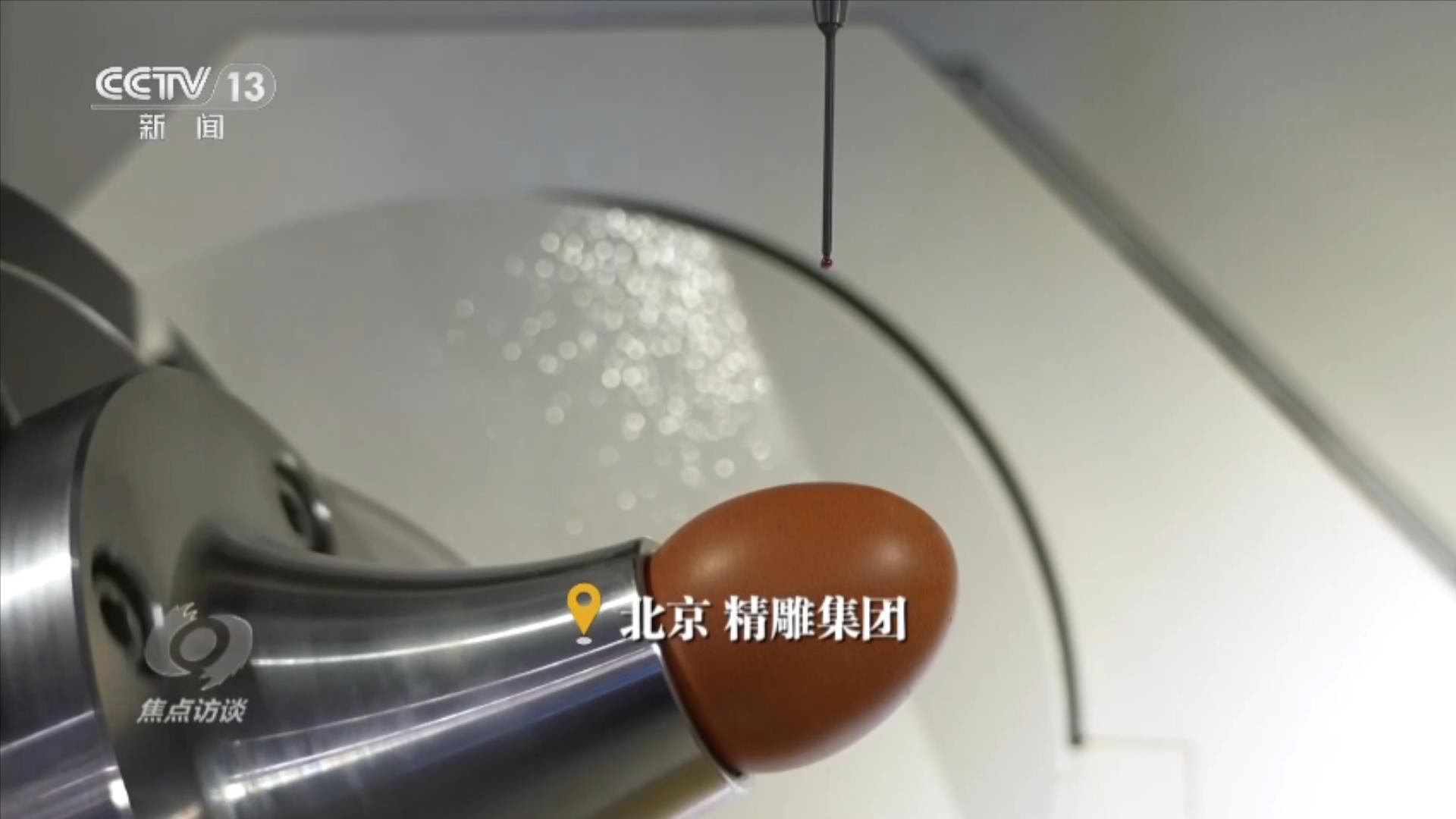
焦点访谈|扩围、破局 科创中心书写区域创新发展的“新答卷”
Yang Shi Wang· 2026-02-01 13:52
Core Viewpoint - The expansion of the international science and technology innovation centers in Beijing and Shanghai to include the Beijing-Tianjin-Hebei and Yangtze River Delta regions aims to enhance regional innovation capabilities and address existing development bottlenecks [1][9][21]. Group 1: Beijing-Tianjin-Hebei Region - Beijing has maintained its position as the top global research city for nine consecutive years, with R&D investment intensity stable at around 6% [1]. - The Beijing Precision Carving Group exemplifies successful cross-regional collaboration, with R&D in Beijing, manufacturing in Tianjin, and assembly in Hebei, leading to accelerated innovation [5][12]. - During the 14th Five-Year Plan, the technology contract transaction volume from Beijing to Tianjin and Hebei exceeded 320 billion yuan, with an annual growth rate of 23%, indicating a significant increase in collaborative innovation [7]. Group 2: Yangtze River Delta Region - The Yangtze River Delta has established a joint tackling mechanism since 2022, funding over 100 collaborative projects with a total investment exceeding 1.7 billion yuan [9]. - The region's innovation-sharing platform aims to enhance collaboration among Shanghai, Jiangsu, Zhejiang, and Anhui, facilitating resource sharing and reducing R&D costs [19]. - The "Long Triangle Technology Resource Sharing Service Platform" has gathered over 56,000 large scientific instruments and supported nearly 12,000 services for enterprises, demonstrating the effectiveness of cross-regional collaboration [19]. Group 3: Strategic Goals and Future Outlook - The strategic deployment aims to transform existing collaborative foundations into hard power on the international stage, enhancing the overall innovation capacity of the regions [9][21]. - By 2030, the goal is for the Beijing-Tianjin-Hebei region to significantly improve its foundational research and original capabilities, becoming a world-class source of technological innovation [21]. - The expansion signifies not just geographical growth but also a transformation in development concepts and innovation models, moving from individual city efforts to collaborative regional strategies [20][23].
佳时特数控刘华:创投资金为企业研发按下“加速键”
Zheng Quan Shi Bao Wang· 2025-11-18 14:13
Group 1 - The 20th China Economic Forum parallel forum on the development of technology and financial innovation in the Greater Bay Area was held in Guangzhou Nansha on November 18 [1] - Jiasite CNC has developed a high-precision CNC machine tool with an accuracy of 0.4 microns, addressing a critical issue in the industrial mother machine sector [1] - The company emphasizes the importance of long-term investment in R&D, highlighting a 50 million yuan investment from Chuangdong Investment in 2015 that has been crucial for the company's survival during market challenges [1] Group 2 - Jiasite CNC machine tools have successfully entered strategic sectors such as aerospace and new energy vehicles, gaining recognition and collaboration from major global companies like Midea, Gree, and Haier [1] - The rapid development of the robotics industry is expected to create a broader market space for industrial mother machines due to the increasing demand for high-precision joints [1]
跨越“微米鸿沟”:中国“争气机”改写全球机床产业格局
Zhong Guo Chan Ye Jing Ji Xin Xi Wang· 2025-08-29 00:15
Core Viewpoint - Jiangxi Jiashite CNC Co., Ltd. has achieved significant breakthroughs in high-precision CNC machine tools, filling a performance gap in domestic manufacturing and challenging foreign monopolies in the high-end machine tool sector [1][2][10]. Group 1: Challenges and Innovations - The company faced significant challenges due to foreign technology monopolies and high costs associated with imported machine tools, which often included exorbitant maintenance fees and restrictive contracts [2][3]. - In 2013, Jiashite developed its first automated production line, achieving a precision of 8 microns, but still lagging behind international standards [3][4]. - The turning point came when the company adopted linear motor technology, which simplified the mechanical structure and improved machine precision [7][9]. Group 2: Technological Breakthroughs - After ten years of development, Jiashite transitioned from "technology follower" to "independent leader," achieving a positioning accuracy of 0.6 microns and a repeat positioning accuracy of 0.4 microns in its latest CNC machine tools [5][9]. - The company has successfully developed high-precision machine tools that meet stringent requirements in various industries, including aerospace, sports, and new energy vehicles [10][11]. Group 3: Empowering Chinese Manufacturing - Jiashite's machines are not only symbols of "Chinese precision" but also play a crucial role in enhancing the quality of Chinese manufacturing across multiple sectors [10][11]. - The company has contributed to significant cost reductions in aerospace components and has supported the development of high-performance products for the sports industry, such as ice blade molds for the Beijing Winter Olympics [10][11]. Group 4: Smart Manufacturing Initiatives - Jiashite has established unmanned demonstration workshops that serve as models for the intelligent transformation of Chinese manufacturing, significantly increasing production efficiency [12][14]. - The integration of advanced technologies like industrial internet and artificial intelligence has enabled Jiashite to automate and visualize production processes, enhancing competitiveness for its clients [14][15]. Group 5: Future Prospects - The company is exploring innovative models such as "industrial incubators" to replicate successful unmanned workshop concepts in inland areas, potentially revolutionizing local manufacturing [15][16]. - Jiashite's advancements in smart manufacturing are expected to contribute significantly to the high-quality development of China's manufacturing industry [16].
强动力 促发展 恒丰银行全周期金融服务助燃科技“星火”
Qi Lu Wan Bao· 2025-07-31 09:38
Core Viewpoint - Technological innovation is becoming the core engine driving high-quality development in Shandong Province, with Hengfeng Bank's Jinan branch focusing on the financial needs of technology enterprises throughout their lifecycle [1][2]. Group 1: Financial Innovation and Services - Hengfeng Bank is actively exploring effective paths for deep integration of financial and technological innovation, supporting the construction of a strong manufacturing province [2]. - The Jinan branch has established a mixed team to provide comprehensive services combining financing and intelligence, introducing products like "Kechuang Loan" that utilize intellectual property pledges and government risk compensation [2][3]. - The bank has upgraded its digital financial services, integrating IoT and big data technologies into its risk control systems, allowing technology companies to secure financing based on technology transaction data rather than traditional collateral [2][3]. Group 2: Customized Financial Solutions - Hengfeng Bank has opened a "green channel" for financing "hardcore" innovations, providing timely financial support to high-precision machinery manufacturers, which has alleviated their funding pressures and increased production capacity by 30% [4]. - The bank's customized financial services have effectively addressed the urgent funding needs of a pharmaceutical company, providing 300 million yuan to support their operations and future expansion plans [5]. - A "no repayment renewal loan" scheme has been implemented to assist a specialized oil technology company in overcoming short-term cash flow challenges, ensuring seamless transitions between old and new loans [6][7]. Group 3: Commitment to Technological Financial Development - Hengfeng Bank is committed to enhancing its responsibility in developing technology finance, offering customized credit products and personalized "financing + intelligence" services to support enterprise growth [7][8].
新华视点|创新驱动 开放共赢:经济高质量发展新图景
Xin Hua She· 2025-05-28 08:39
Digital Empowerment - The establishment of the first domestic 10,000-card computing power cluster in Qingyang in 2024, with a computing power scale exceeding 50,000 P, ranking among the top in the country in terms of growth rate, increment, and intelligent computing proportion [4] - Qingyang is driving computing power construction through multiple industries and scenarios, gathering artificial intelligence ecosystems and expanding "AI+" new industries and scenarios, fostering new productive forces [6] Open Leadership - In the first quarter, Tianjin's container throughput exceeded 5.71 million standard containers, setting a historical record, contributing significantly to the city's GDP growth of 5.8%, which is above the national average [10][11] - Tianjin Port has engaged with over 500 key enterprises in the Beijing-Tianjin-Hebei region and inland areas, completing nearly 100 contracts, enhancing the integration of domestic and foreign trade [10] Innovation Breakthrough - Jiangxi Lanwei Electronics Technology Co., Ltd. has successfully broken the foreign monopoly on insulation bonding wires through continuous R&D investment, achieving domestic substitution [17] - The company’s advancements in micro-level bonding wires are pivotal in the context of global chip competition, showcasing the importance of fine technology breakthroughs [17] Intelligent Manufacturing Upgrade - The precision of domestic CNC machine tools has been significantly improved, with Jiangxi Jiasite CNC Co., Ltd. achieving a full-process precision of 0.6 microns and a repeat positioning precision of 0.4 microns, reaching international leading levels [22] - The shift from reliance on imports to self-sufficiency in high-precision machine tools marks a significant advancement in China's high-end equipment industry [22] Overall Economic Development - The comprehensive layout of digital infrastructure, high-level openness, continuous breakthroughs in key technologies, and accelerated construction of a modern industrial system indicate that China's economy is steadily advancing on the path of high-quality development driven by innovation and openness [24]