
Driverless cars

Search documents
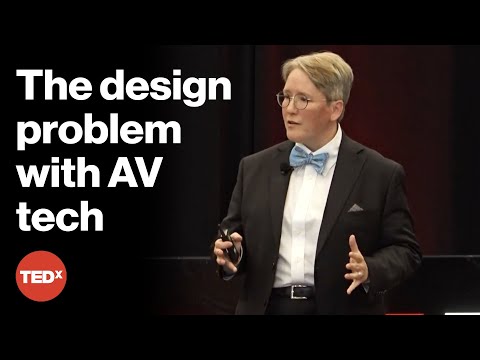
Why are driverless cars still so bad at driving? | Jennifer Dukarski | TEDxDetroit
TEDx Talks· 2025-11-18 18:00
Autonomous Vehicle Technology & Inclusivity - The core issue is the need for inclusive design in autonomous vehicle (AV) technology to ensure equitable outcomes for all individuals, including those with disabilities, the elderly, and underserved communities [1] - Current AV systems, exemplified by Tesla's full self-drive, rely on data collected from a demographic that is primarily high-income, male, and white, which introduces bias [1] - Data from Lending Tree indicates that Tesla drivers are the second most likely to have vehicle incidents and the most likely to have vehicle crashes per thousand vehicles [1] - A 2019 Georgia Tech study found a nearly 10% difference in the ability of vision systems to detect dark-skinned people versus light-skinned people [1] - A 2023 King's College study showed improvement with a 7% difference but also revealed that these systems are 20% more likely to detect adults compared to children [1] Inclusion by Design Principles - Inclusion by Design necessitates identifying all people, regardless of gender, age, or race, to ensure AV systems function effectively for everyone [1] - It is crucial to consider the broader community impact, even if the vision system does not directly perceive it, to avoid unintended consequences such as noise pollution from autonomous vehicles [1] - Location matters, and AV systems must be designed to account for diverse environments, whether suburban or urban, and the interactions within those communities [1] Recommendations - Inclusion by Design principles should be integrated into engineering education, considered by standards bodies, and addressed by regulators to advance inclusive mobility [1]

X @The Economist
The Economist· 2025-08-09 02:40
Autonomous Vehicle Market - By 2030, the US market may have approximately 35 thousand driverless cars [1] - Uber aims to lead the autonomous vehicle industry [1]
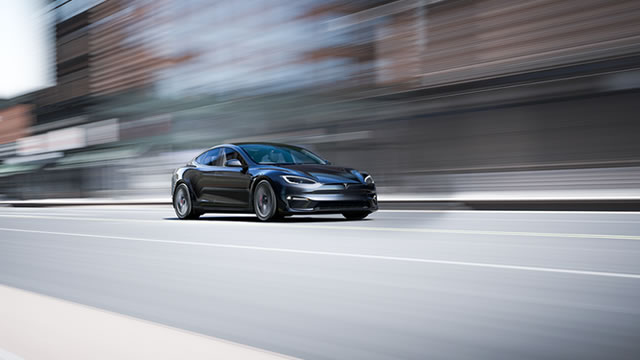
Tesla's Robotaxi Hype Fuels Bullish Price Targets to $500
MarketBeat· 2025-06-30 20:14
Core Viewpoint - Tesla's stock has experienced a significant recovery, gaining nearly 50% in less than three months, driven by factors such as CEO Elon Musk's reduced political involvement and excitement surrounding the Robotaxi launch [2][3]. Group 1: Stock Performance and Analyst Ratings - Tesla's current stock price is $317.66, with a 52-week range between $182.00 and $488.54, and a P/E ratio of 174.54 [1]. - The stock has received mixed ratings, with both Sell and Buy ratings issued recently, indicating a divided opinion among analysts [4]. - Guggenheim and UBS reiterated their Sell ratings, citing concerns over Tesla's valuation and potential downside, with a price target of $175 suggesting a nearly 50% decline from current levels [6][8]. Group 2: Market Sentiment and Future Outlook - Despite bearish sentiments, there are bullish updates from Canaccord Genuity and Benchmark, with the latter raising its price target to $475, reflecting optimism about the Robotaxi launch [11]. - Analysts believe Tesla is transitioning from a vehicle manufacturer to a high-tech automation and robotics company, which could drive long-term growth [12]. - The stock has shown resilience, maintaining higher prices despite disappointing earnings, indicating that investors are focused on long-term potential rather than short-term valuation concerns [10][12].

X @Tesla Owners Silicon Valley
Tesla Owners Silicon Valley· 2025-06-14 01:48
Regulatory Approval - NHTSA is fast-tracking approval for driverless cars like Tesla's Cybercab [1] Company Focus - Tesla's Cybercab is mentioned in relation to driverless car approval [1]
X @Tesla Owners Silicon Valley
Tesla Owners Silicon Valley· 2025-06-13 16:49
Regulatory Updates - NHTSA is fast-tracking approval for driverless cars like Tesla's Cybercab [1]