Free Cash Flow to Equity (FCFE) model

Search documents
Galderma: L’Oreal Doubling Down, Risk–Reward Looks Skewed To The Downside (OTCMKTS:GALDY)
Seeking Alpha· 2025-12-24 03:52
Core Insights - L'Oréal S.A. is increasing its stake in Galderma Group AG from 10% to 20% [1] Valuation Methods - Various methods exist for sell-side analysts to determine a company's fair value, including DCF, multiples approach, and reverse valuation [1] - The DCF method requires precise assumptions and can introduce biases, while the multiples approach relies on the assumption that peer companies are fairly priced [1] - Reverse valuation starts from the market price and discount rate to uncover the free cash flow assumptions embedded in the price, providing a more straightforward assessment of market beliefs [1] Free Cash Flow Analysis - A Free Cash Flow to Equity (FCFE) model is utilized to assess what belongs to shareholders, calculated as Earnings + Amortization – CAPEX – average acquisition cost [1] - The analysis disregards working capital and debt changes, focusing on three key figures: earnings, amortization, and investments [1] Forecasting Methodology - The H-model is applied for forecasts, featuring a 10-year two-stage growth fade with terminal growth aligned to the risk-free rate, represented by the 10-year government bond yield [1] - All cash flows are discounted using the cost of equity, calculated as RFR × beta + 5% ERP, resulting in a clear valuation of the business [1]


Mondelez: A Wide-Moat Giant Mispriced By A Cocoa Panic (NASDAQ:MDLZ)
Seeking Alpha· 2025-12-08 04:07
Core Insights - Mondelez International, Inc. has successfully passed severe cost inflation onto customers, demonstrating its competitive advantage in the market [1] Valuation Methods - Various methods exist for sell-side analysts to determine a company's fair value, including DCF, multiples approach, and reverse valuation [1] - The DCF method requires precise assumptions, which can introduce bias, while the multiples approach assumes peer companies are fairly priced, a notion often unsupported by historical data [1] - Reverse valuation starts from the market price and discount rate, revealing the free cash flow assumptions embedded in the price, providing a straightforward reality check [1] Free Cash Flow Analysis - A Free Cash Flow to Equity (FCFE) model is utilized to assess what truly belongs to shareholders, calculated as Earnings + Amortization – CAPEX – average acquisition cost = FCFE [1] - The analysis disregards working capital and debt changes, focusing on core business metrics: earnings, amortization, and investments [1] Forecasting Methodology - The H-model is applied for forecasts, featuring a 10-year two-stage growth fade with terminal growth equal to the risk-free rate, represented by the 10-year government bond yield [1] - All cash flows are discounted using the cost of equity, calculated as RFR × beta + 5% ERP, resulting in a clear picture of the business's true worth [1]

Colgate-Palmolive: Wide Moat And A Mispriced Future (NYSE:CL)
Seeking Alpha· 2025-11-26 15:01
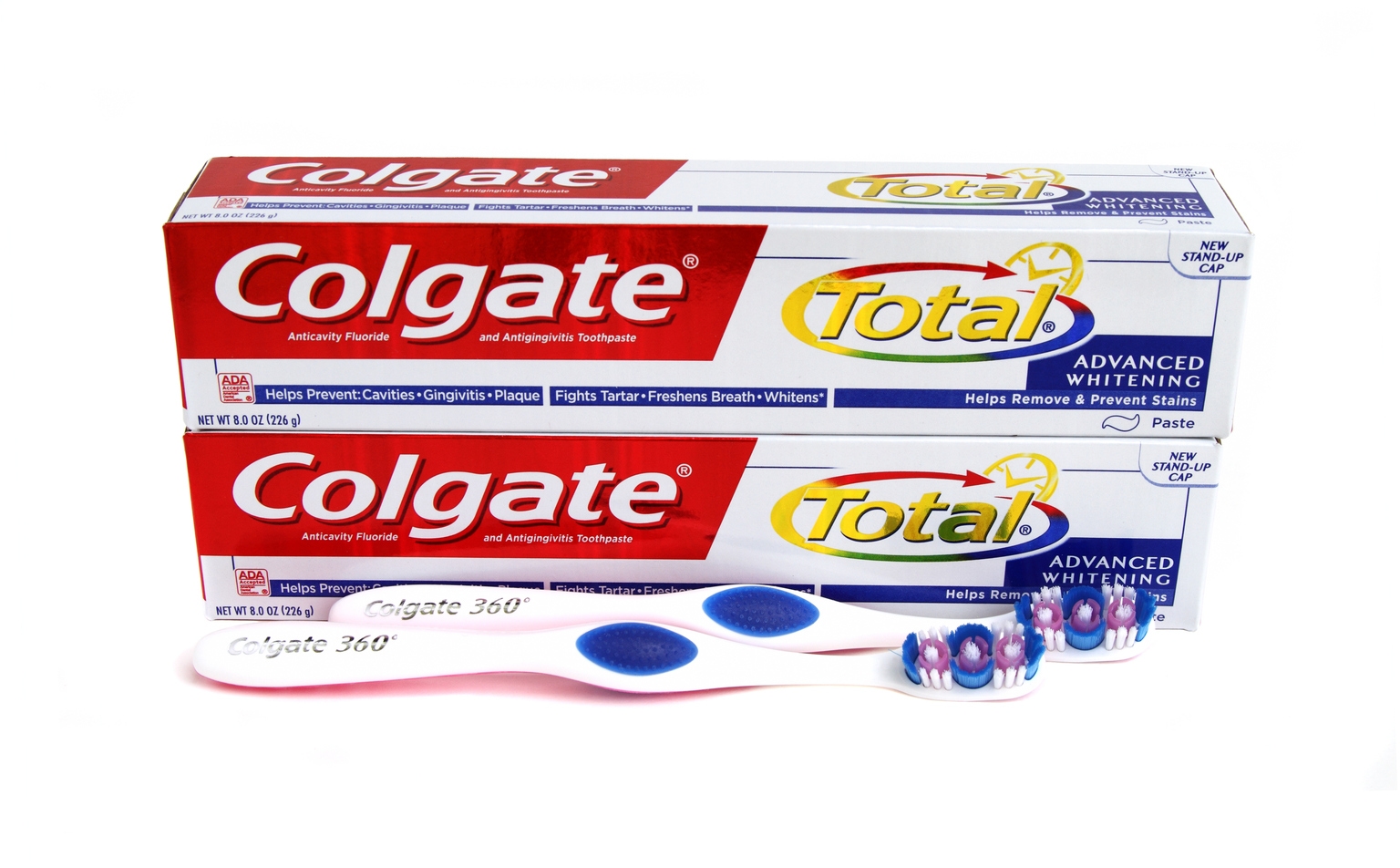
Core Insights - Colgate-Palmolive Company is often underestimated when viewed solely through its basic product offerings like toothpaste and body wash, but a deeper analysis reveals significant business dynamics [1] Valuation Methodology - Various methods exist for determining a company's fair value, with the DCF method being complex and prone to biases, while the multiples approach relies on the assumption that peer companies are fairly priced, which is often not the case [1] - Reverse valuation starts from the market price and discount rate, working backward to uncover the free cash flow assumptions embedded in the price, providing a more straightforward assessment of market beliefs [1] - The Free Cash Flow to Equity (FCFE) model is utilized to determine what belongs to shareholders, calculated as Earnings + Amortization – CAPEX – average acquisition cost = FCFE, ignoring working capital and debt changes for clarity [1] - Forecasts employ the H-model, which features a 10-year two-stage growth fade, with terminal growth aligned to the risk-free rate, specifically the 10-year government bond yield [1] - All cash flows are discounted using the cost of equity, calculated as RFR × beta + 5% ERP, resulting in a clear and noise-free valuation of the business [1]

Colgate-Palmolive: Wide Moat And A Mispriced Future
Seeking Alpha· 2025-11-26 15:01
Core Insights - Colgate-Palmolive Company is often underestimated when viewed solely through its basic product offerings like toothpaste and body wash, but a deeper analysis reveals more about its business dynamics [1] Valuation Methods - Various methods exist for sell-side analysts to determine a company's fair value, including DCF, multiples approach, and reverse valuation, each with its own strengths and weaknesses [1] - The DCF method requires precise assumptions, which can lead to biases, while the multiples approach relies on the assumption that peer companies are fairly priced, a notion that is often not supported by historical data [1] - Reverse valuation starts from the market price and discount rate, working backward to uncover the free cash flow assumptions embedded in the price, providing a more straightforward assessment of market beliefs [1] Free Cash Flow Analysis - A Free Cash Flow to Equity (FCFE) model is utilized to determine what truly belongs to shareholders, calculated as Earnings + Amortization – CAPEX – average acquisition cost = FCFE, ignoring working capital and debt changes [1] - The analysis focuses on three key figures: earnings, amortization, and investments, which are essential for understanding the core business performance [1] Forecasting Approach - The H-model is applied for forecasts, which involves a 10-year two-stage growth fade, with terminal growth aligned to the risk-free rate, specifically the yield of 10-year government bonds [1] - All cash flows are discounted using the cost of equity, calculated as RFR × beta + 5% ERP, resulting in a clear and noise-free valuation of the business [1]
MGP Ingredients: A Quiet Turnaround Brewing Under Captain Francis (NASDAQ:MGPI)
Seeking Alpha· 2025-11-04 15:59
Core Insights - The current market perception of company earnings may be overly pessimistic compared to the actual financial situation as indicated by earnings reports [1] - Various valuation methods exist, with the Free Cash Flow to Equity (FCFE) model providing a clearer picture of shareholder value by focusing on earnings, amortization, and investments [1] Valuation Methods - The DCF method is complex and can introduce biases due to its reliance on numerous assumptions [1] - The multiples approach is simpler but assumes peer companies are fairly priced, which is often not the case [1] - Reverse valuation starts from market price and discount rate to uncover free cash flow assumptions embedded in the price, offering a more straightforward assessment of market beliefs [1] FCFE Model - The FCFE model calculates true shareholder value as Earnings + Amortization – CAPEX – average acquisition cost [1] - Working capital and debt changes are excluded from this model as they are considered noise not related to core business operations [1] - The H-model is applied for forecasts, utilizing a two-stage growth fade over ten years with terminal growth aligned to the risk-free rate [1] Cash Flow Discounting - All cash flows are discounted using the cost of equity, calculated as RFR × beta + 5% ERP [1] - This approach results in a clear and noise-free valuation of the business [1]


MGP Ingredients: A Quiet Turnaround Brewing Under Captain Francis
Seeking Alpha· 2025-11-04 15:59
Core Insights - The current market perception of company earnings may be overly pessimistic compared to the actual financial situation as indicated by deeper analysis of earnings reports [1] Valuation Methods - Various methods exist for sell-side analysts to determine a company's fair value, including DCF, multiples approach, and reverse valuation, each with its own strengths and weaknesses [1] - The DCF method requires precise assumptions, which can introduce bias, while the multiples approach relies on the assumption that peer companies are fairly priced, a notion that is often not supported by historical data [1] - Reverse valuation starts from the market price and discount rate, working backward to reveal the free cash flow assumptions embedded in the price, providing a more straightforward assessment of market beliefs [1] Free Cash Flow Analysis - A Free Cash Flow to Equity (FCFE) model is utilized to determine the actual value belonging to shareholders, calculated as Earnings + Amortization – CAPEX – average acquisition cost [1] - The analysis disregards working capital and debt changes, focusing instead on three key figures: earnings, amortization, and investments [1] Forecasting Approach - The H-model is applied for forecasts, which involves a 10-year two-stage growth fade, with terminal growth aligned to the risk-free rate, specifically the yield of 10-year government bonds [1] - All cash flows are discounted using the cost of equity, calculated as RFR × beta + 5% ERP, resulting in a clear and noise-free valuation of the business [1]

Oatly’s Debt Gets Real While Its Profits Stay Adjusted (NASDAQ:OTLY)
Seeking Alpha· 2025-11-03 14:51
Core Viewpoint - Oatly Group AB is perceived as being in a vulnerable position, akin to "swimming naked," as it faces scrutiny regarding its valuation and financial health [1]. Valuation Methods - Various methods exist for sell-side analysts to determine a company's fair value, including DCF, multiples approach, and reverse valuation, each with its own strengths and weaknesses [1]. - The DCF method is complex and can introduce biases, while the multiples approach relies on the assumption that peer companies are fairly priced, which is often not the case [1]. - Reverse valuation starts from the market price and discount rate, revealing the free cash flow assumptions embedded in the price, providing a more straightforward assessment of market beliefs [1]. Free Cash Flow Analysis - A Free Cash Flow to Equity (FCFE) model is utilized to assess what belongs to shareholders, calculated as Earnings + Amortization – CAPEX – average acquisition cost = FCFE [1]. - The analysis disregards working capital and debt changes, focusing instead on three key figures: earnings, amortization, and investments [1]. Forecasting Approach - The H-model is applied for forecasts, featuring a 10-year two-stage growth fade, with terminal growth aligned to the risk-free rate, specifically the 10-year government bond yield [1]. - All cash flows are discounted using the cost of equity, calculated as RFR × beta + 5% ERP, resulting in a clear picture of the business's true worth [1].


Emerson Electric: The Calm After The Rebuild. Why Boring Looks Bullish (NYSE:EMR)
Seeking Alpha· 2025-10-28 18:26
Core Insights - Emerson Electric Co. has experienced poor momentum over the last three months, receiving a D+ momentum grade for the period [1] Valuation Methods - Various methods exist for sell-side analysts to determine a company's "fair" value, including DCF, multiples approach, and reverse valuation [1] - The DCF method requires precise assumptions, which can lead to biases, while the multiples approach assumes peer companies are fairly priced, a notion often unsupported by historical data [1] - Reverse valuation starts from the market price and discount rate, revealing the free cash flow assumptions embedded in the price, providing a direct reality check on market beliefs [1] Free Cash Flow Analysis - A Free Cash Flow to Equity (FCFE) model is utilized to assess what truly belongs to shareholders, calculated as Earnings + Amortization – CAPEX – average acquisition cost = FCFE [1] - The analysis disregards working capital and debt changes, focusing on three key numbers: earnings, amortization, and investments [1] Forecasting Approach - The H-model is applied for forecasts, featuring a 10-year two-stage growth fade with terminal growth equal to the risk-free rate, represented by the 10-year government bond yield [1] - All cash flows are discounted using the cost of equity, calculated as RFR × beta + 5% ERP, resulting in a clear picture of the business's true worth [1]


Centene: Strong Buy, For All The Wrong Reasons (NYSE:CNC)
Seeking Alpha· 2025-10-21 08:38
Core Viewpoint - Centene Corporation (NYSE: CNC) is initiated with a Strong Buy rating, reflecting a positive outlook on the company's potential value and performance [1] Valuation Methodology - The article discusses various methods sell-side analysts use to determine a company's fair value, highlighting the limitations of traditional approaches like DCF and multiples [1] - A reverse valuation approach is proposed, which starts from the market price and discount rate to reveal the free cash flow assumptions already embedded in the price [1] - The Free Cash Flow to Equity (FCFE) model is utilized to assess what truly belongs to shareholders, focusing on earnings, amortization, and investments while ignoring working capital and debt changes [1] Forecasting Approach - The H-model is applied for forecasts, which incorporates a 10-year two-stage growth fade with terminal growth equal to the risk-free rate (RFR) [1] - All cash flows are discounted using the cost of equity, calculated as RFR multiplied by beta plus a 5% equity risk premium (ERP) [1] - This methodology aims to provide a clear and noise-free picture of the business's true worth [1]


Centene: Strong Buy, For All The Wrong Reasons
Seeking Alpha· 2025-10-21 08:38
Core Viewpoint - Centene Corporation (NYSE: CNC) is initiated with a Strong Buy rating, reflecting a positive outlook on the company's potential value and performance [1]. Valuation Methodology - The article discusses various methods sell-side analysts use to determine a company's fair value, highlighting the limitations of traditional approaches like DCF and multiples [1]. - A reverse valuation approach is proposed, which starts from the market price and discount rate to uncover the free cash flow assumptions embedded in the price, providing a more realistic assessment of the company's worth [1]. - The Free Cash Flow to Equity (FCFE) model is utilized to calculate what truly belongs to shareholders, focusing on earnings, amortization, and investments while ignoring working capital and debt changes [1]. Forecasting Approach - The H-model is applied for forecasts, which incorporates a 10-year two-stage growth fade, with terminal growth aligned to the risk-free rate, specifically the 10-year government bond yield [1]. - All cash flows are discounted using the cost of equity, calculated as the risk-free rate multiplied by beta plus a 5% equity risk premium (ERP), resulting in a clear picture of the business's intrinsic value [1].