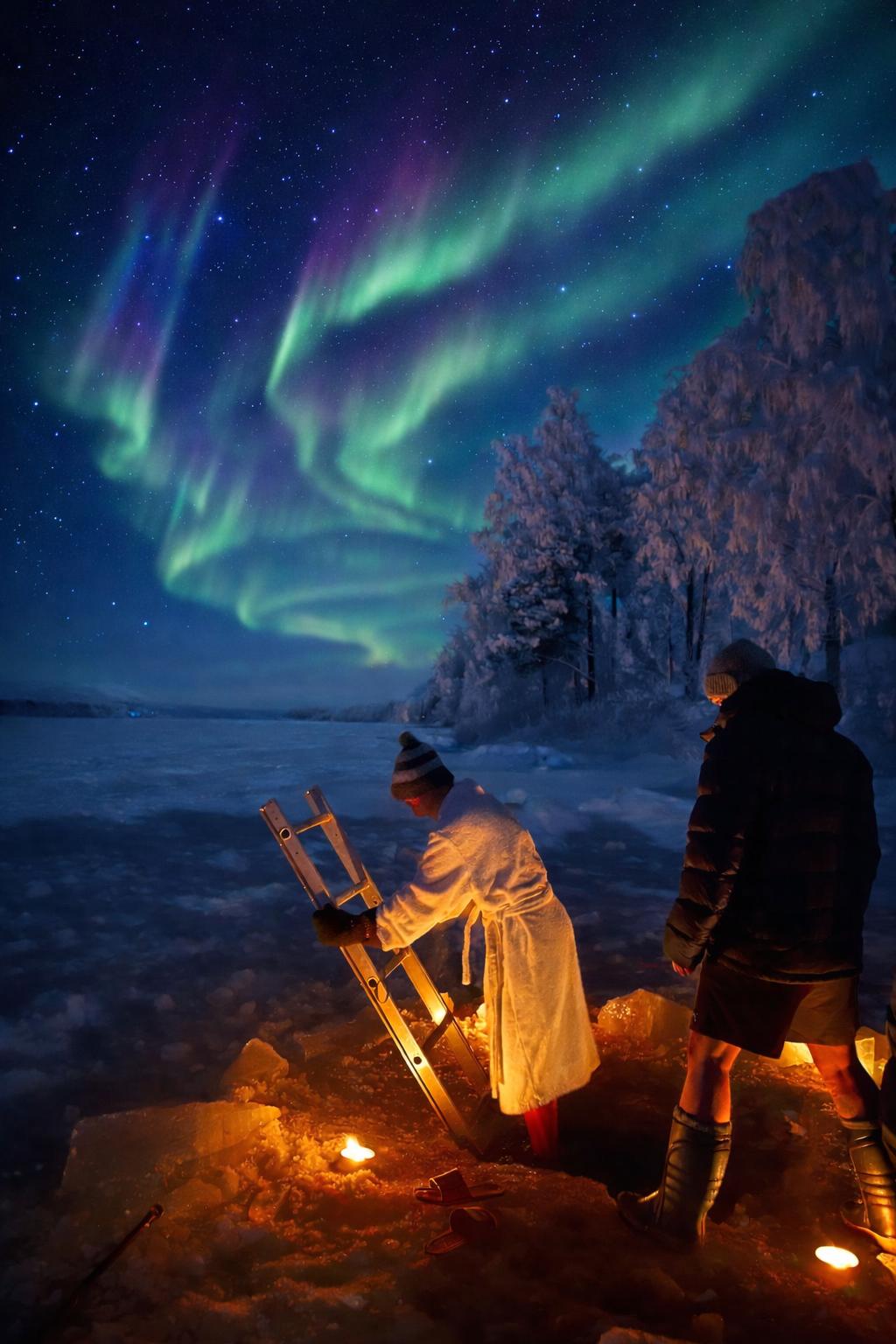
Friluftsliv

Search documents
告别LV,中国人涌向瑞典极地苦修
3 6 Ke· 2026-02-06 02:26
Core Insights - The article discusses a shift in Chinese tourists' preferences from traditional shopping destinations in Europe to unique travel experiences in remote locations like Luleå, Sweden, emphasizing a desire for tranquility and connection with nature [11][31]. Group 1: Changing Travel Preferences - Chinese tourists are increasingly seeking experiences that offer solitude and immersion in nature, moving away from crowded shopping areas in cities like Paris and London [11][31]. - A report by Hurun Research Institute indicates that high-net-worth individuals in China plan to increase spending on travel while reducing expenditures on luxury goods [11][16]. - The trend shows a significant change in the definition of scarcity among affluent Chinese travelers, who now prioritize unique experiences over material possessions [19][31]. Group 2: Unique Travel Experiences - The article highlights the appeal of accommodations like Villa ÄNG and Arctic Bath, which offer intimate and nature-focused experiences [18][22]. - The concept of "Lagom," meaning just the right amount, reflects a growing appreciation for minimalism and simplicity in travel experiences [20][24]. - The Swedish philosophy of "Friluftsliv," or outdoor living, encourages travelers to engage with nature, promoting physical and mental well-being [24][25]. Group 3: Social Dynamics and Connection - The article notes that the lack of mobile connectivity in remote areas fosters genuine social interactions among travelers, allowing them to reconnect with friends and family [27][28]. - The Swedish practice of "Fika," which involves taking breaks to enjoy coffee and pastries while engaging in conversation, exemplifies the importance of slowing down and nurturing relationships [28]. Group 4: Future of Travel Industry - The shift towards smaller, personalized travel groups indicates a decline in large tour buses, with a growing preference for independent travel and customized experiences [34][36]. - The future of long-haul travel in Europe will likely favor unique, less commercialized destinations that cater to the specific needs of travelers [37][39]. - The article suggests that the essence of travel is evolving, focusing on self-discovery and genuine connections rather than mere sightseeing [39].