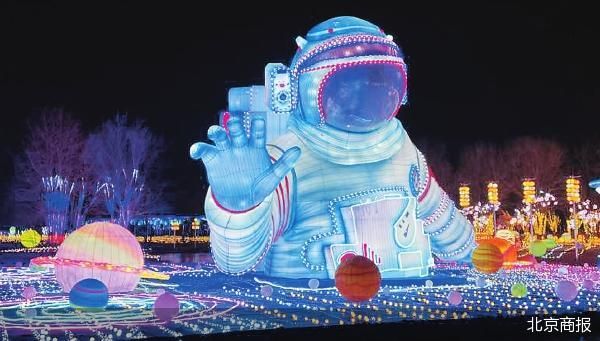
IP矩阵化运营

Search documents
聚焦“夜京城”十四景 北京夜经济场景扩容
Bei Jing Shang Bao· 2025-10-21 15:35
Core Viewpoint - The "14th Five-Year Plan" for urban lighting development in Beijing aims to enhance the night economy by transitioning from "single-point lighting" to "holistic quality improvement," leveraging the "Night Beijing" IP matrix to stimulate consumption and employment [1][5]. Group 1: Urban Nightscape Structure - The plan establishes a nightscape structure characterized by "one core, two axes, four rings, and multiple points," focusing on the capital's functional core and major urban axes [3][6]. - Key areas will see lighting upgrades at 15 heritage sites along the traditional central axis, enhancing cultural heritage utilization through digital light shows [3][4]. Group 2: Operational Management - The management model shifts from fixed patterns to refined control, introducing a "major event guarantee" level to dynamically adjust lighting based on seasonal changes and visitor data [4]. - The plan aims to increase LED application rates from 60% to 90%, enhancing user experience while reducing energy consumption [4]. Group 3: Night Economy Development - The plan transitions from localized lighting to a comprehensive strategy, creating a three-dimensional nightscape network that connects the core area with suburban districts [5][6]. - The "Night Beijing" IP will drive a diverse scene matrix, integrating cultural, ecological, and consumer experiences, thereby enhancing the overall night economy [6][7]. Group 4: Economic Impact - The implementation of the IP matrix is expected to boost consumer enthusiasm for night-time spending, with projections indicating significant increases in foot traffic and sales in key commercial areas [7][8]. - The integration of cultural and commercial sectors through the IP matrix will foster new opportunities for the cultural creative industry and enhance the competitiveness of related businesses [8].