Improved Housing

Search documents
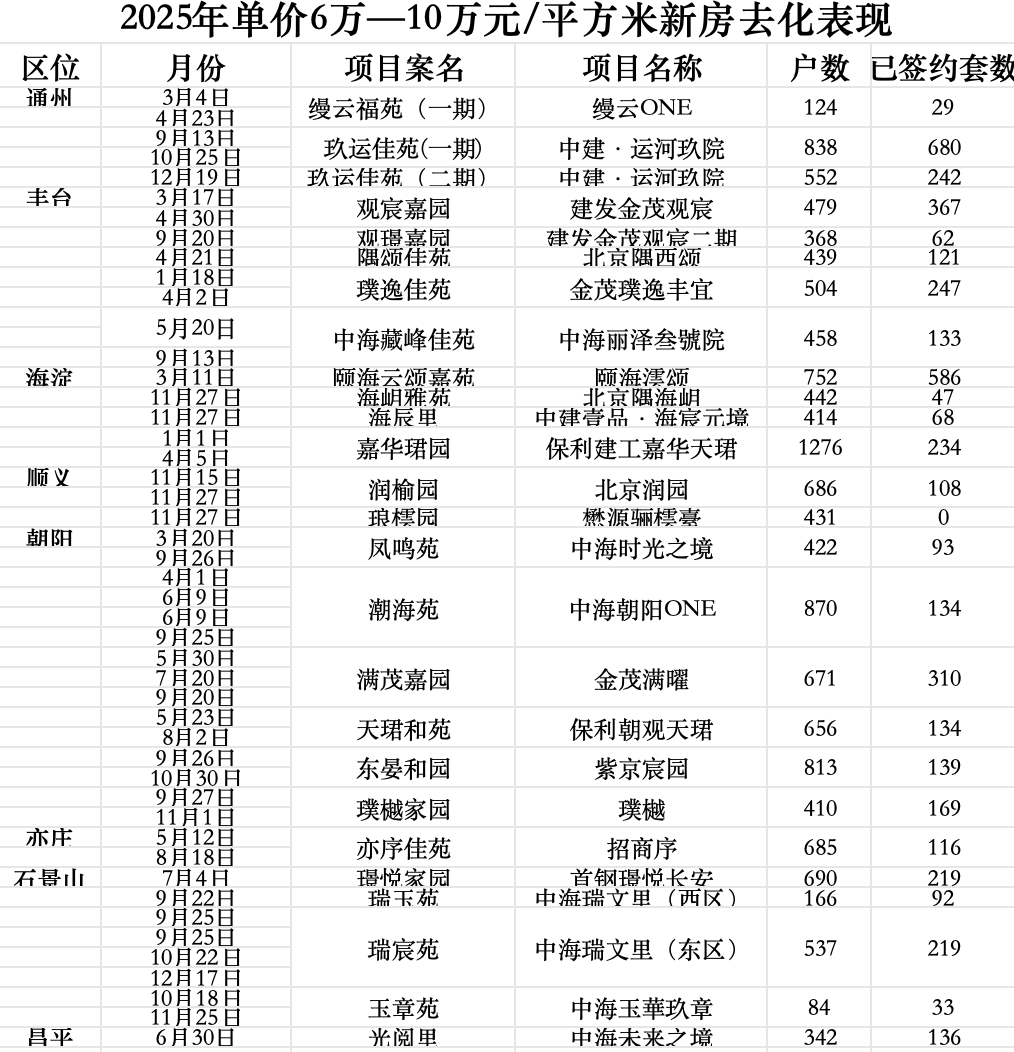
手握千万预算,北京改善型购房者在考虑什么?
Bei Jing Shang Bao· 2026-01-06 07:25
Core Insights - The article highlights the shift in housing demand from "having a place to live" to "having a livable environment," emphasizing the importance of product design, functional configuration, and location for buyers seeking improved housing options [1][4]. Group 1: Market Overview - In 2025, Beijing is expected to see 26 new improvement housing projects priced between 60,000 to 100,000 yuan per square meter, with a total supply of over 13,333 units [2][4]. - The market is experiencing significant differentiation, with projects like China State Construction's "Yunhe Jiuyuan" achieving an impressive 81.15% sales rate, while others like "China Overseas Chaoyang ONE" lag behind with only 14.48% [2][5]. Group 2: Project Performance - "Yunhe Jiuyuan" has sold 680 out of 838 units, achieving a sales rate of 81.15%, and its second phase has already signed 242 out of 552 units within a month of launch [5]. - Other projects such as "Yihai Luansong" and "Jianfa Jinmao Guancheng" also reported strong sales rates of 77.93% and 76.62%, respectively [6]. Group 3: Challenges in Sales - "China Overseas Chaoyang ONE" has struggled with a sales rate of only 15.4%, attributed to design flaws and inadequate location support [7][8]. - The project’s main unit design has been criticized for its narrow living space, which affects its market competitiveness compared to similar offerings [8][9]. Group 4: Factors Influencing Sales - Key factors influencing buyer decisions include location, product quality, supporting facilities, and price-performance ratio, with a focus on high-quality locations and efficient commuting [6][11]. - The "Yihai Luansong" project benefits from its prime location in the Yongfeng core area, which has seen rapid development and increased demand, contrasting with less favorable locations of competing projects [12]. Group 5: Future Considerations - Developers are advised to focus on six core dimensions when acquiring land, including the maturity of supporting facilities, safety in building design, and optimizing unit layouts for better space utilization [13].