Inflation control

Search documents
Dollar Falls as Stocks Rally in Hopes Iran War Will Soon End
Yahoo Finance· 2026-03-23 14:36
The dollar index (DXY00) fell to a 1.5-week low today and is down by -0.69%. The dollar gave up overnight gains and turned lower as stocks rallied sharply after President Trump postponed attacks against Iranian energy infrastructure and power plants for five days following the start of talks with Iran to end the war, curbing liquidity demand for the dollar. The dollar added to its losses today on weaker-than-expected US economic news, including the Feb Chicago Fed National Activity index and Jan construc ...
Will The Fed's Next Rate Move Be A Hike? It's No Longer Unthinkable
Yahoo Finance· 2026-03-18 20:00
Key Takeaways Although it's not the most likely scenario, Federal Reserve officials are discussing the possibility of raising interest rates if inflation accelerates. The discussion of rate hikes is a departure from recent months, when the focus was on how soon and how much to lower them. Fed officials are caught between the need to lower rates to boost the job market as hiring slows, or keeping them higher for longer to stifle inflation. Policymakers at the Federal Reserve are discussing the po ...
Petrobras downgraded to Hold at Jefferies on Brazil oil export tax
Yahoo Finance· 2026-03-14 13:39
Core Viewpoint - Jefferies analyst Alejandro Anibal Demichelis downgraded Petrobras (PBR) to Hold from Buy, with a revised price target of $19, down from $20.30, due to the Brazilian government's announcement of a temporary 12% oil export tax aimed at controlling inflation related to the Iran war [1] Group 1 - The Brazilian government has implemented a temporary 12% oil export tax alongside cuts in fuel taxes and diesel subsidies [1] - The export tax is expected to materially reduce Petrobras's oil price leverage and its ability to increase dividends [1] - Despite the export tax, Petrobras may partially offset its impact by improving refining margins [1]

UK's Reeves on Trade With US, Economy, Iran War
Youtube· 2026-03-03 19:03
So the freeze in prescription charges, the freeze in rail fares and also the £150 off of energy bills that I announced in the budget will take effect next month. And so people paying families, paying their gas and electricity bills do not need to worry about the next three months. That price cap is set and and they will get the benefit of those policies announced in the in the budget. But, of course, you know, we have to see how things evolve in terms of where oil and gas prices go going forward. But what t ...


Debate Over Tariff Costs Escalates Fed-White House Rift
Investopedia· 2026-02-20 13:00
Core Viewpoint - The ongoing conflict between the White House and the Federal Reserve is highlighted by a recent economics paper from the New York Fed, which indicates that American consumers are bearing the costs of President Trump's tariffs, contrary to his claims that foreign entities are responsible [1][8]. Group 1: Federal Reserve Independence - The independence of the Federal Reserve is deemed crucial for its credibility and effectiveness in controlling inflation through monetary policy [3]. - Attempts to undermine the Fed's independence have been noted, including recent comments from administration officials suggesting punishment for the researchers involved in the study [2][5]. - Fed officials have defended the research and emphasized the importance of maintaining the central bank's autonomy from political influence [4][6]. Group 2: Economic Implications - The findings from the New York Fed align with other economic analyses, reinforcing the view that tariffs are impacting American consumers rather than foreign entities [7][8]. - The conflict over the research underscores the broader tensions regarding the Federal Reserve's role and its ability to operate free from political pressure, which is essential for maintaining public trust and effective economic management [9].
Fed Minutes Show Division as Rate Cuts Remain on the Table
Investopedia· 2026-02-19 01:00
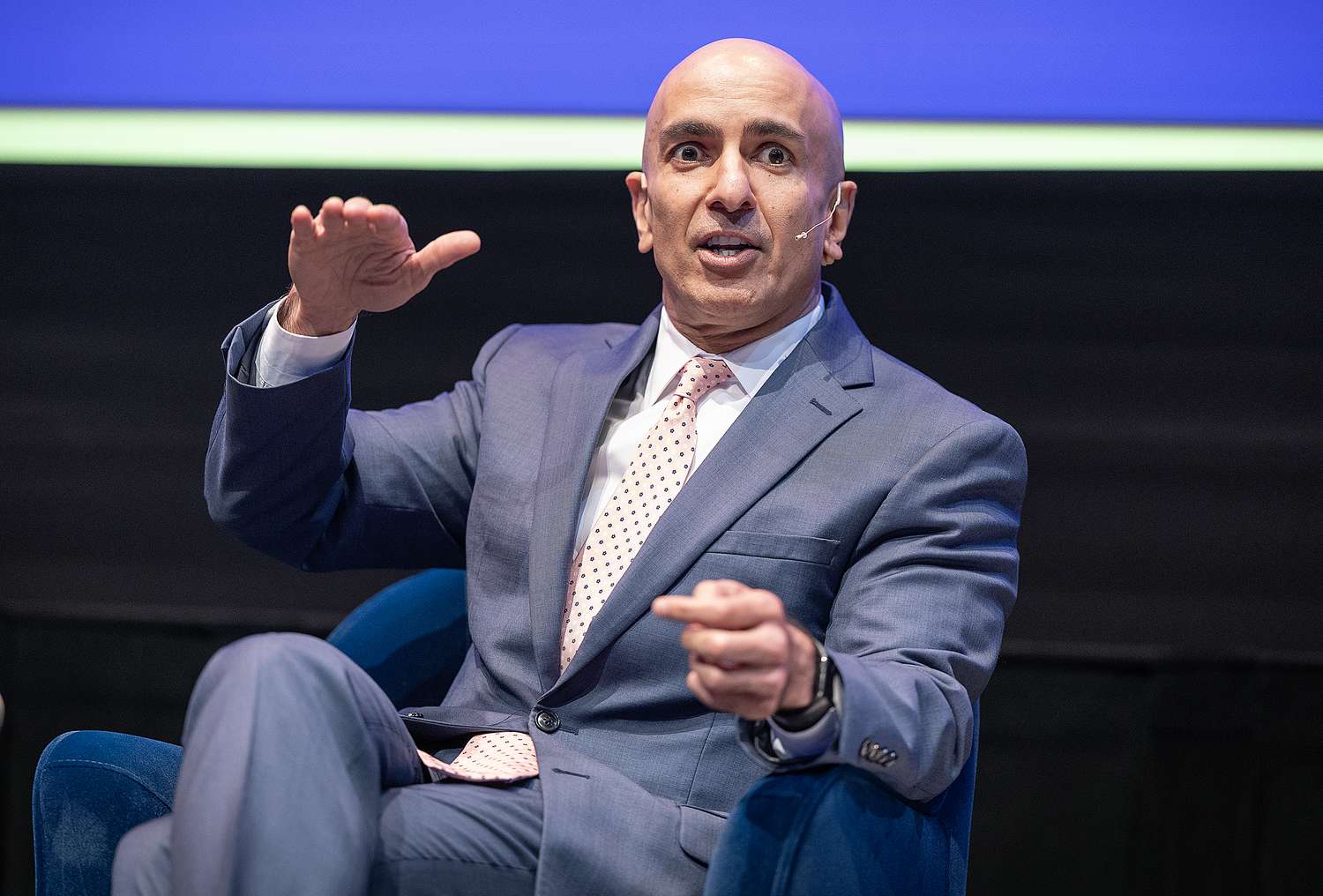
Core Viewpoint - The Federal Reserve is considering further interest rate cuts this year, but there is significant internal debate regarding the timing and necessity of such cuts due to persistent inflation concerns [1][2][8]. Summary by Sections Interest Rate Outlook - The Fed's January meeting minutes indicate a division among officials about future rate cuts after three reductions in 2025, with some advocating for caution due to inflation still above the 2% target [1][5]. - While many believe further downward adjustments are necessary if inflation continues to decelerate, some officials express reluctance to cut rates excessively, fearing it could reignite inflation [2][3]. Inflation and Employment - The current inflation rate is slightly above 2.5%, and Fed officials emphasize the importance of maintaining focus on the 2% inflation objective to avoid long-term inflationary pressures [6][8]. - Employment risks have moderated, but concerns remain about the potential for job market deterioration if rates are kept too high [7][9]. Policy Implications - The Fed's decisions on interest rates will significantly impact borrowing costs for consumers and businesses, highlighting the importance of inflation and employment data in shaping rate expectations [4][8]. - Some Fed officials, including Governors Miran and Waller, have expressed dissent regarding the decision to keep rates unchanged, arguing for the potential to cut rates further given the weak labor market conditions [10]. Analyst Perspectives - Analysts predict that employment growth may slow, which could lead to an increase in the unemployment rate, while inflation remains the primary barrier to additional rate cuts [11][12]. - Expectations are for the Fed to potentially cut rates three times later this year, contingent on the evolving economic landscape [12].
Is The Economy's Balance 'Precarious' or 'Stabilizing?' Fed Officials Differ
Investopedia· 2026-02-07 01:00
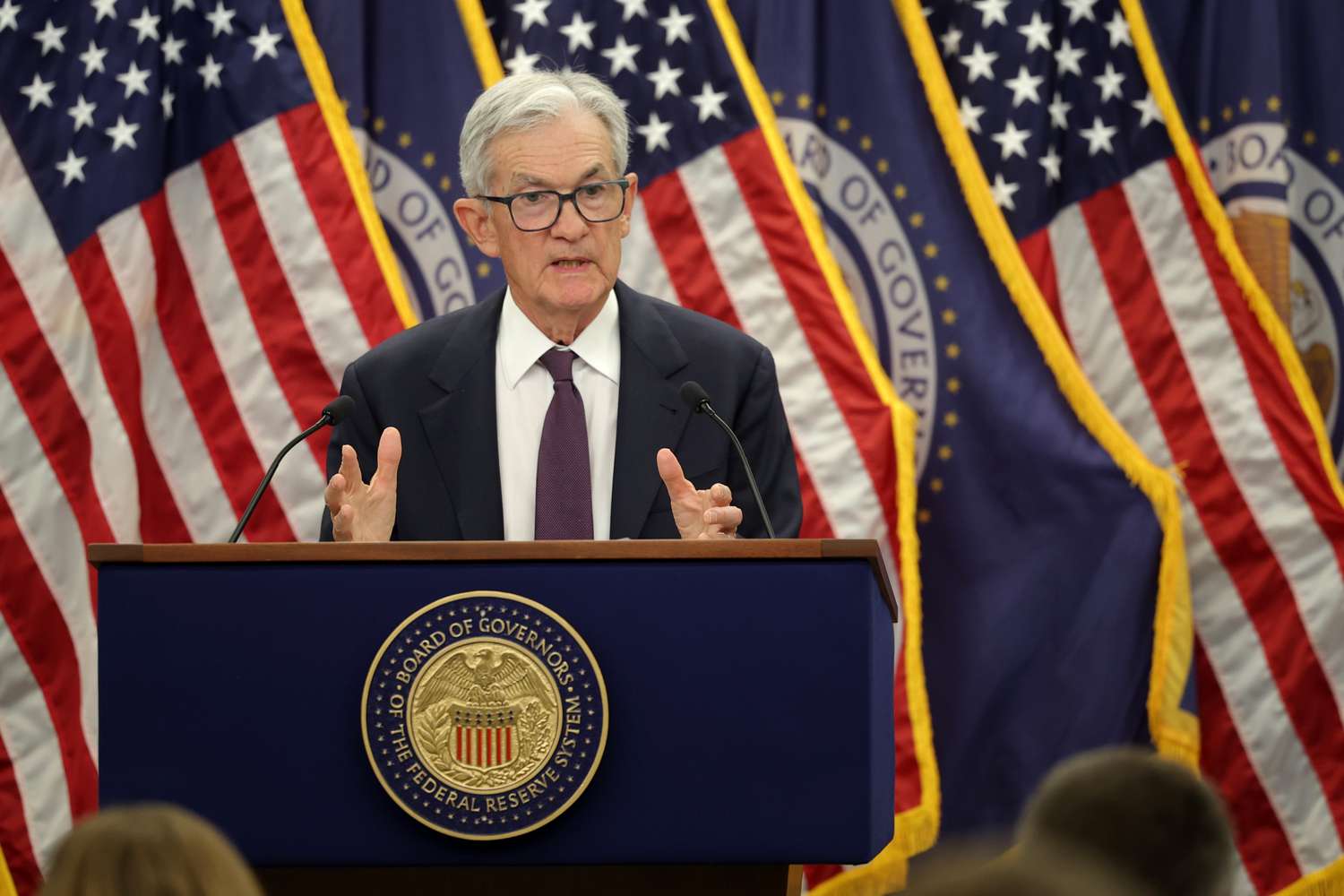
Core Insights - Federal Reserve officials expressed differing views on the economic outlook, with one showing "cautious optimism" while the other described the situation for workers as "precarious" [2][8] - The job market has been slower than usual, with the unemployment rate at 4.4% in December, indicating stabilization after a slowdown [2][3] - Consumer sentiment surveys reveal a pessimistic outlook, with expectations of rising unemployment and fewer job openings [3][8] Economic Implications - If the job market deteriorates, the Federal Reserve may consider cutting interest rates to prevent mass unemployment [4] - The Fed is currently balancing its dual mandate of maintaining employment while controlling inflation, which is above the 2% target [5][6] - Fed officials are monitoring economic data closely for signs of job market collapse or renewed inflation [6][7] Upcoming Data - The next significant economic report on job creation and unemployment is expected from the Bureau of Labor Statistics, which was delayed due to a government shutdown [7] - Forecasters predict the economy added 60,000 jobs in January, an increase from 50,000 in December, with the unemployment rate expected to remain stable [9]
Stock Market Today: Dow Jones Futures Fall, Nasdaq Gains Day After Tech Selloff—Alphabet, Broadcom, Amazon In Focus
Benzinga· 2026-02-05 10:33
Market Overview - U.S. stock futures showed volatility with the Dow Jones declining after a shift away from tech stocks, while major benchmark indices had mixed futures [1] - The Nasdaq Composite fell approximately 351 points as investors redirected their focus [1] - Corporate earnings reports are expected to be the main market driver, with Amazon.com Inc. set to report after market close [1] Economic Indicators - Market participants are analyzing the latest weekly jobless claims report for insights into the U.S. labor market's resilience [2] - The 10-year Treasury bond yield is at 4.27%, while the two-year bond yield stands at 3.55% [2] - The CME Group's FedWatch tool indicates a 90.1% probability that the Federal Reserve will maintain current interest rates in March [2] Company Performance - Alphabet (GOOG) is noted for maintaining a strong price trend across short, medium, and long terms, with a solid quality ranking [3] - Amazon.com Inc. (AMZN) shares increased by 0.11% ahead of its earnings report, with analysts expecting earnings of $1.97 per share on revenue of $211.32 billion [6] - Workday Inc. (WDAY) experienced a decline of 2.44% after announcing a 2% workforce reduction and anticipated $135 million in restructuring charges, yet it maintains a strong price trend [6] - Shell PLC (SHEL) fell by 2.40% after reporting adjusted earnings of $3.26 billion for the fourth quarter, which was below analyst expectations [5] Sector Performance - Energy, materials, and real estate sectors led gains, while information technology and communication services stocks contributed to market declines during a rotation away from growth [8] Analyst Insights - BlackRock maintains a "pro-risk" stance, viewing recent market fluctuations as a reshuffling rather than an end to the AI trade, identifying infrastructure as a key beneficiary of trends like AI and low-carbon transitions [9] - The nomination of Kevin Warsh as the next Fed Chair has led to a significant repricing across asset classes, with expectations of a stronger focus on inflation control [10] - BlackRock suggests that Warsh's experience may stabilize the U.S. dollar and mitigate risks of global market spillovers, while cautioning that persistent inflation could limit aggressive rate cuts in 2026 [11]


RBA Hikes Rates and BHP, NST, EVN, SVL, SFR & GMD
Small Caps· 2026-02-05 01:39
Group 1: Monetary Policy and Economic Context - The Reserve Bank of Australia's (RBA) February rate hike to 3.85% indicates a shift towards a hawkish monetary policy, with inflation risks now prioritized over growth concerns [1][3][5] - Trimmed mean inflation accelerated to 3.4%, significantly above previous forecasts, suggesting that inflation is now demand-driven rather than transitory [7][9] - The RBA's decision reflects the conclusion that the economy is operating beyond its productive capacity, necessitating a reevaluation of sustainable returns in a higher interest rate environment [5][12] Group 2: Market Reactions and Sector Performance - The ASX 200 initially reacted negatively to the rate hike, but a preference for hard assets and globally exposed earnings has emerged, while domestically focused cyclicals are losing favor [15][22] - Financials, while the largest sector in the index, are vulnerable to shifts in rate expectations, with Commonwealth Bank's forward P/E significantly above its historical average [16][17] - The consumer discretionary sector is experiencing pressure from rising mortgage repayments, impacting retailers like Wesfarmers and JB Hi-Fi [18][19] Group 3: Opportunities in Resource Stocks - The resources sector is expected to drive earnings growth in 2026, with strong commodity prices and improving global industrial demand supporting mining companies [23][25] - Gold remains a strategic asset, with prices approaching US$5,000 per ounce due to central bank buying and geopolitical risks [26] - Companies like Northern Star, Evolution Mining, and Genesis Minerals are highlighted for their strong cash flows and balance sheet strength, positioning them well in the current market [29][30][38][42] Group 4: Specific Company Insights - Northern Star is seen as a resilient gold exposure with a strong balance sheet and potential for margin uplift as it becomes increasingly exposed to spot prices [32][34] - Evolution Mining has improved its financial position significantly, with a 57% increase in operating cash flow, allowing for reduced gearing and full exposure to rising gold prices [38][39] - Sandfire Resources is positioned to benefit from structural supply shortages in copper, with a transformed balance sheet and strong operational drivers [48][50] - Silver Mines offers a high-quality option on silver, with significant reserves and a clear development pathway for its Bowdens project [52][54] - BHP has upgraded its FY26 copper guidance to nearly 2 million tonnes, showcasing its operational edge and resilience across diversified commodities [58][59]

Trump's Fed Chair Pick Triggers Gold, Silver's Worst Day Since 1980: What's Moving Markets Friday?
Benzinga· 2026-01-30 18:59
Core Viewpoint - Precious metals experienced a significant sell-off following President Trump's announcement of Kevin Warsh as the new Federal Reserve chairman, ending a prolonged rally in the sector [1]. Group 1: Precious Metals Market Reaction - Silver prices plummeted by as much as 33% to $78 per ounce during midday trading, marking a potential historic decline, the worst single-day drop since 1980 [2]. - Just a day prior, silver was on track for its best monthly performance since the U.S. Civil War, having surged approximately 60%, but this was reduced to a monthly gain of around 10% by the end of January [3]. - Gold prices fell below $5,000, dropping to $4,700 per ounce, which represents a 12% decline, potentially marking gold's worst session since March 1980 if sustained [4]. Group 2: Market Sentiment and Federal Reserve Implications - The sharp decline in precious metals reflects market interpretations of Warsh's nomination, as he is viewed as a hawk focused on inflation control rather than employment support [5]. - The perception of Warsh's stance has diminished earlier concerns regarding the Federal Reserve's credibility and independence under political pressure, leading to a significant reversal in the "debasement trade" that had characterized market trends throughout January [6]. Group 3: Broader Market Impact - Equity markets also reacted negatively, with the Nasdaq 100 falling 1.1%, the Dow Jones slipping 0.9%, and the S&P 500 declining 0.6%, although the sell-off magnitude was less severe than in precious metals [7]. - Macro data indicated that U.S. producer prices rose by 0.5% month over month in December, exceeding the 0.2% consensus forecast, which further reinforced inflation concerns [7].