Intelligent Construction

Search documents
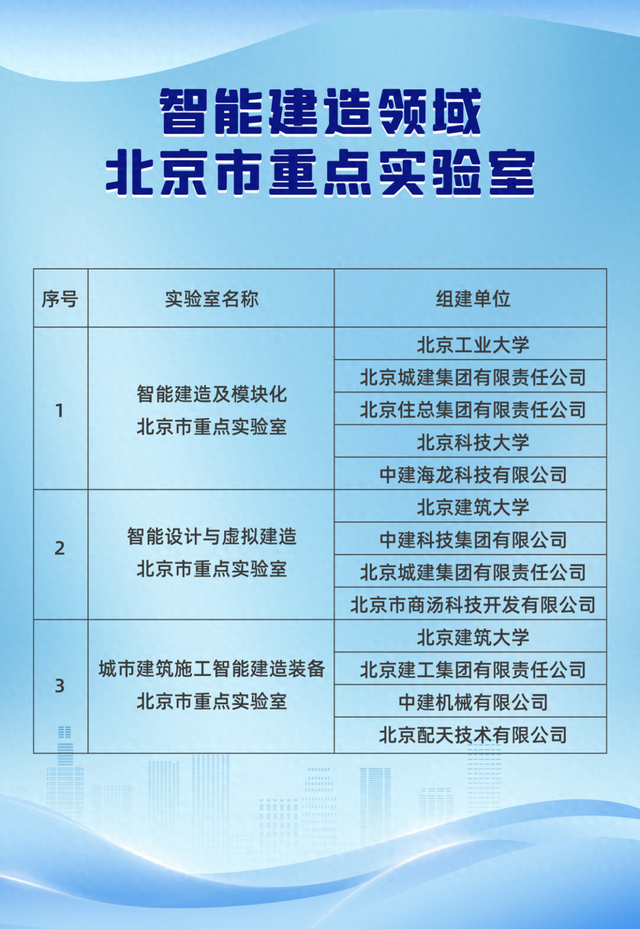
我市在智能建造领域布局3家北京市重点实验室
Bei Jing Ri Bao Ke Hu Duan· 2026-01-20 11:13
Core Viewpoint - Beijing has approved three key laboratories in the field of intelligent construction, which will provide significant technological support for the development of intelligent construction in the city [1][3]. Group 1: Key Laboratories - The three approved laboratories are: 1. Intelligent Construction and Modularization Laboratory 2. Intelligent Design and Virtual Construction Laboratory 3. Urban Construction Intelligent Construction Equipment Laboratory [1][2]. Group 2: Focus Areas of Laboratories - The Intelligent Construction and Modularization Laboratory will focus on key technologies for intelligent construction and modularization of large public buildings and major infrastructure, promoting innovations in digital design, intelligent production, and smart operation [3][4]. - The Intelligent Design and Virtual Construction Laboratory aims to address challenges in collaboration between design and construction phases, develop a self-controllable "AI + graphics" digital foundation for the construction industry, and drive intelligent innovation across the entire process [3][4]. - The Urban Construction Intelligent Construction Equipment Laboratory will concentrate on key technical challenges such as autonomous navigation and decision-making for intelligent construction equipment, and will establish a research and development base for equipment technology [4]. Group 3: Policy Support - The Beijing Municipal Commission of Housing and Urban-Rural Development, in collaboration with the Municipal Science and Technology Commission and the Zhongguancun Management Committee, has introduced policies to support the development of cutting-edge technologies in the construction sector, including intelligent construction and "AI + architecture" [4]. - The next steps include continued emphasis on technological innovation and support for enterprises, universities, and research institutions to tackle key core technologies in intelligent construction [4].

ReTo Eco-Solutions Subsidiary Showcases Equipment and Intelligent Solutions at Excon 2025 to Advance India Market Presence
Prnewswire· 2025-12-12 13:00
Core Insights - ReTo Eco-Solutions, Inc. is participating in Excon 2025, a significant construction equipment exhibition in Bangalore, India, showcasing advanced concrete equipment and intelligent solutions [1][2] - The event emphasizes "Sustainable Development and Intelligent Construction," aligning with ReTo's focus on green building materials and intelligent solutions [2] - The CEO of ReTo, Mr. Xinyang Li, reaffirmed the company's commitment to the Indian market, emphasizing sustainable and intelligent construction trends to support India's infrastructure development [3] Company Overview - ReTo Eco-Solutions, Inc. was founded in 1999 and operates through subsidiaries in China, focusing on ecological environment protection equipment and intelligent equipment [3] - The company provides a range of services including consultation, design, implementation, installation, and engineering support related to its equipment [3]


产教融合推动土木工程教育转型
Xin Hua Ri Bao· 2025-12-04 21:58
Core Insights - The modern industrial system is identified as the material and technical foundation for Chinese-style modernization, with the civil engineering industry playing a crucial role in supporting national infrastructure development [1] - The transition of the civil engineering sector from traditional construction methods to a modern industrial system characterized by greening and intelligence is emphasized as a critical opportunity during the 14th Five-Year Plan period [1] - The integration of education and industry is highlighted as a key strategy to cultivate innovative and compound talents capable of leading future industry development [2] Group 1: Strategic Value of Industry-Education Integration - Industry-education integration is a vital link connecting national strategic needs, with high-quality civil engineering talent being essential for the implementation of new infrastructure and urban renewal initiatives [2] - Deepening school-enterprise collaboration can incorporate cutting-edge technologies and practices into the educational process, enhancing students' practical capabilities to serve national strategies [2] - The integration serves as an internal driving force for upgrading professional content, addressing issues such as outdated curricula and insufficient interdisciplinary integration [2] Group 2: Challenges in Industry-Education Integration - There is a lack of consensus on the concept of industry-education integration, with some educators viewing it as superficial cooperation rather than a systemic and collaborative approach [3] - The curriculum is often disconnected from industry practices, with low practical course content and limited integration of advanced technologies [3] - The mechanisms for school-enterprise collaboration are not deeply established, leading to short-term partnerships and a lack of sustained institutional support [3] Group 3: Multi-Party Collaboration for Development - A multi-party collaborative mechanism involving government, schools, enterprises, and industry should be established to enhance top-level design and institutional support for civil engineering education [4] - The curriculum should be restructured to integrate industry needs, incorporating real project cases and emerging topics such as smart construction and green building [4] - Strengthening the dual-teacher system and creating a practical platform that combines virtual and real-world experiences is essential for effective education [5] Group 4: Implementation Strategies - The establishment of a dual-logic driven teaching system that combines academic and industry logic is proposed to enhance the educational framework [4] - Faculty development should include a dual mentorship system, requiring educators to engage in industry practices and providing training for industry mentors [5] - Creating immersive virtual laboratories linked to real engineering sites can facilitate a new teaching model that emphasizes practical experience [5]
突破关键核心技术 打造创新应用场景 智能建造交出亮眼新答卷
Yang Shi Wang· 2025-11-27 05:50
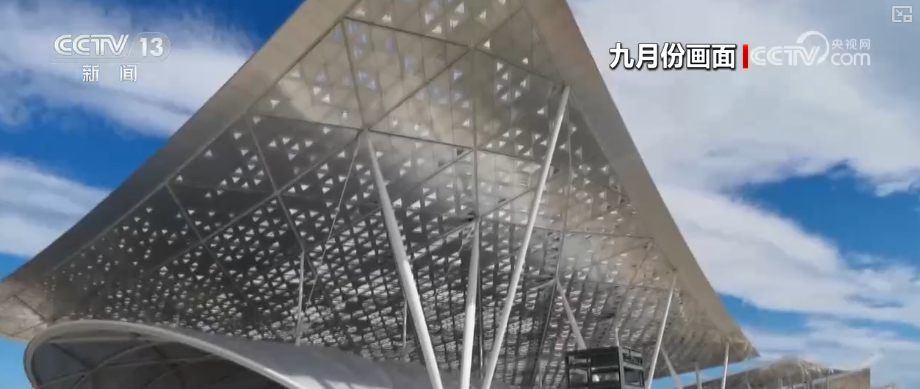
Core Viewpoint - The Beijing Urban Sub-center Station Comprehensive Transportation Hub has successfully passed completion acceptance and will open in conjunction with the Jing-Tang Railway, marking a significant milestone in the development of the Beijing-Tianjin-Hebei coordinated area [1][4]. Group 1: Project Overview - The underground construction area of the Beijing Urban Sub-center Station is 1.28 million square meters, making it the largest underground comprehensive transportation hub in Asia, integrating intercity rail, suburban rail, metro, bus connections, and urban development functions [3]. - The project is divided into three functional areas: operational area, vacant management area, and closed management area, ensuring efficient verification and operational readiness of the hub [4]. Group 2: Technological Innovations - The project employs advanced materials and technologies in smart construction, contributing to energy efficiency and low-carbon environmental standards, thus promoting sustainable regional development [5]. - The "Jing Fan" roof design utilizes translucent and heat-insulating membrane materials, along with an innovative "one structure, double layer" design to reduce solar radiation impact on indoor temperatures [7]. - Digital technologies, including 3D simulation and intelligent surveying, were used to overcome construction challenges such as "suspension difficulty" and "multi-angle beam installation," enhancing stability and order during the implementation process [11]. Group 3: Robotics and Automation - Various industrial robots were utilized during construction, including safety inspection robots that provide real-time alerts for worker violations and construction robots capable of automatic cutting and welding in complex angles [13]. - The project manager highlighted the use of digital technology to improve assembly efficiency and reduce waste, significantly lowering costs [9]. Group 4: Future Development - As one of the first pilot cities for smart construction in China, Beijing aims to leverage the experience from this project to support the development of an intelligent construction industry cluster in the Tongzhou District, fostering new productive forces in the construction sector [15].
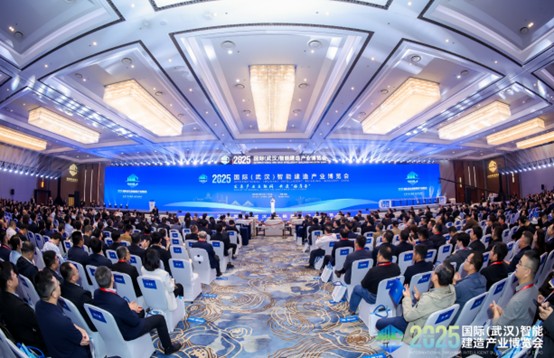
The Grand Opening of the 2025 International (Wuhan) Intelligent Building Industry Expo
Globenewswire· 2025-11-03 10:49
Core Insights - The 2025 International (Wuhan) Intelligent Building Industry Expo focused on the theme of "Developing Industrial Internet and Jointly Building 'Quality Homes'" to promote the integration of the construction industry's value chain and foster an intelligent construction ecosystem [1][9] Industry Overview - The Expo was guided by key organizations including the China Construction Industry Association and the National Center of Technology Innovation for Digital Construction, with participation from 25 co-organizers such as Huawei and Tsinghua University [3] - The event attracted over 36,500 visitors and featured more than 1,300 innovative exhibits across seven exhibition zones, highlighting the industry's robust momentum [5][6] Economic Impact - The total signing value of transactions during the Expo exceeded 5.5 billion yuan, indicating strong commitment towards the development of the intelligent construction industry [5][16] Exhibition Highlights - The exhibition covered approximately 20,000 m² and included participation from nearly 200 entities across 13 countries, showcasing innovative products from well-known companies and universities [6] - Flagship products included self-healing concrete from China First Metallurgical Group and a digital home renovation solution from China State Decoration Group, demonstrating advancements in construction technology [15] Collaborative Efforts - Discussions at the Expo emphasized the importance of whole-industry-chain collaboration and the necessity of intelligent construction for high-quality development [9] - Experts highlighted the need for international cooperation in intelligent construction, particularly in aligning standards and leveraging China's strengths in global markets [11][13]
OFAL Board Approves Share Repurchase Program of up to $2 Million
Globenewswire· 2025-10-23 12:00
Group 1 - The Company has announced a share repurchase program authorizing the buyback of up to $2 million of its outstanding shares from the open market [1] - The Board believes the program reflects confidence in the Company's long-term business outlook and financial strength, as well as a commitment to enhancing shareholder value [2] - The Company may modify, suspend, or terminate the program at its discretion based on market and business conditions [2] Group 2 - OFAL is a technology-driven real estate and architectural-innovation company that integrates design, AI, asset management, and digital finance into a unified ecosystem [3] - The Company aims to redefine how physical and digital assets coexist in the new era of intelligent construction and decentralized finance through strategic acquisitions and proprietary platform development [3]


日照市3项工程通过“山东省绿色施工科技项目”验收
Qi Lu Wan Bao Wang· 2025-10-16 15:33
Core Points - Three projects in Rizhao, including the Rizhao Youth Activity Center, Rizhao Station Passenger Transport Facility Renovation, and the first phase of the Rizhao Vocational and Technical College new campus, have been recognized as "Shandong Province Green Construction Technology Projects," marking significant achievements in green construction for key projects in Rizhao [1] Group 1: Project Details - The Rizhao Youth Activity Center has a total construction area of 85,300 square meters and includes various functional areas for youth education and activities. The project has received 14 awards, including the Shandong Province Engineering Quality Management Standardization Demonstration Project [3] - The Rizhao Station Passenger Transport Facility Renovation project covers a total construction area of 420,000 square meters and integrates advanced technologies throughout the construction process, establishing a benchmark for intelligent construction in Rizhao [4] - The first phase of the Rizhao Vocational and Technical College new campus includes multiple buildings such as teaching buildings and dormitories, implementing various new construction technologies to minimize resource consumption and environmental impact [5] Group 2: Technological Innovations - The Rizhao Youth Activity Center has achieved significant quality control results through the application of green development principles and has obtained several patents and provincial-level construction methods [3] - The Rizhao Station project has integrated smart construction management platforms and innovative technologies, including AI monitoring systems and intelligent construction robots, leading to multiple patent applications [4] - The new campus project has adopted a zero-carbon building technology system, improving energy efficiency and reducing emissions by 23.4% compared to the original design [5] Group 3: Future Directions - The Rizhao Municipal Housing and Urban-Rural Development Bureau plans to enhance the promotion of green construction, energy-saving, and intelligent construction technologies, supporting technological innovation and industry transformation in the construction sector [5]

聚焦高质量发展丨湖北:智能建造助力建筑业向“新”发展
Xin Hua Wang· 2025-07-14 14:00
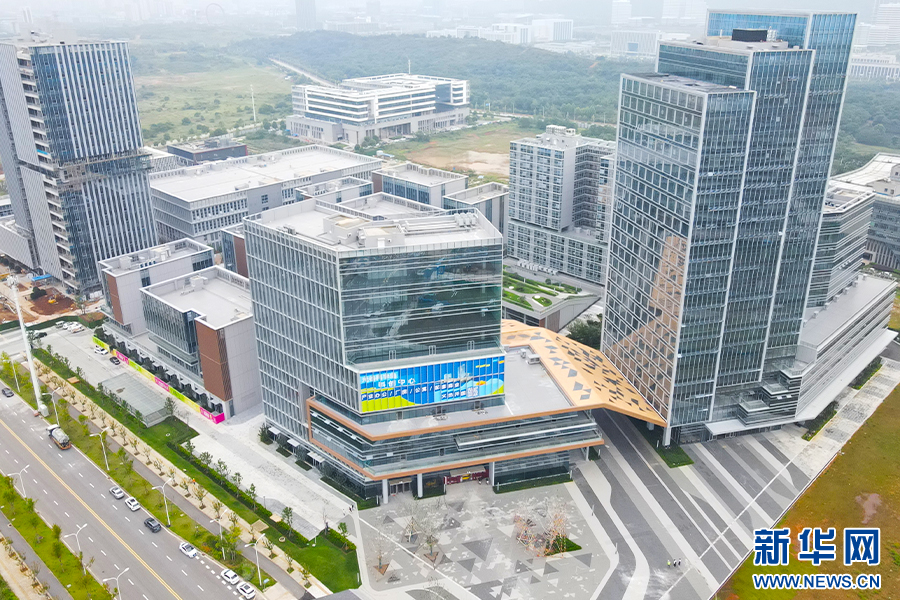
Core Insights - Hubei is systematically promoting the development of intelligent construction through industrialization, standardization, digitalization, and innovation in application scenarios [1] Group 1: Intelligent Construction Initiatives - The Guanggu Science Island project, a pilot for intelligent construction in Hubei, has integrated 5G tower crane remote control technology, allowing ground-level operation for material hoisting [2][4] - The project has also introduced plastering robots, which are 6 to 8 times more efficient than manual plastering, enhancing construction speed and precision [4] - The overall construction of Guanggu Science Island has reached a significant scale, with various infrastructure components completed, and the second phase expected to be operational by the second half of 2025 [4] Group 2: Advanced Construction Technologies - The use of unmanned cluster paving equipment in the expansion of the Jinggang'ao Expressway is set to alleviate traffic pressure, with completion expected by the end of September [5] - The project employs 3D paving technology, achieving millimeter-level precision and dynamic control of paving thickness and slope, significantly improving construction efficiency [6] - Prefabricated construction methods have reduced the time required for culvert construction by approximately 23 days compared to traditional methods [6] Group 3: Smart Project Management - The construction of the China Table Tennis Team's training base in Huangshi is utilizing a smart construction management platform, enhancing safety and quality control through real-time data monitoring [9] - The project encompasses a total area of 139,000 square meters, with significant progress made in various components, including the main training hall [9] - The integration of construction robots and AI technology has improved efficiency, precision, and resource utilization in the project [9] Group 4: Future Directions - Hubei is leveraging technological innovation as a driving force for the construction industry, aiming for a transition towards precision, digitalization, and sustainability [10]
广州拟出台新规:明年起新出让宅地全部实施装配式建筑
Nan Fang Du Shi Bao· 2025-06-25 03:28
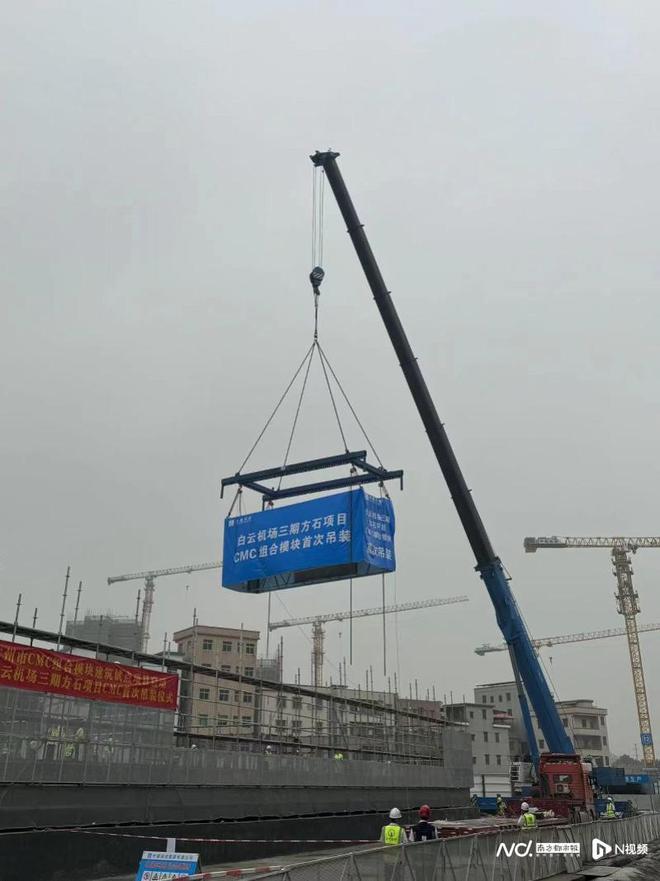
Core Viewpoint - Guangzhou plans to require all residential land sold from 2026 to implement prefabricated construction methods, aligning with the central government's push for industrialized building practices [2][3] Group 1: Prefabricated Construction Overview - Prefabricated construction involves producing building components like walls and floors in factories, which are then transported to construction sites for assembly, significantly reducing on-site construction time and improving quality control [3] - In 2023, prefabricated buildings accounted for 48.42% of new construction in Guangzhou, with certain districts exceeding 50% [3] Group 2: Future Goals and Measures - By the end of 2030, the goal is for prefabricated buildings to represent no less than 80% of new construction, with the total output value of the smart construction and industrialized building industry exceeding 500 billion yuan [3] - From 2026, all residential land sold must utilize prefabricated construction, with at least 10% of new building area designated for modular construction each year [3][4] Group 3: Public and Government Projects - Government-funded public buildings such as schools and hospitals are expected to adopt modular construction, with a minimum of 15% of new construction area in urban village renovation and public rental housing projects also required to use modular methods [4] - New construction projects exceeding 120 meters in height are encouraged to use construction lifts and robotic equipment, with these requirements integrated into land sale agreements and approval processes [4]