IoT监测

Search documents
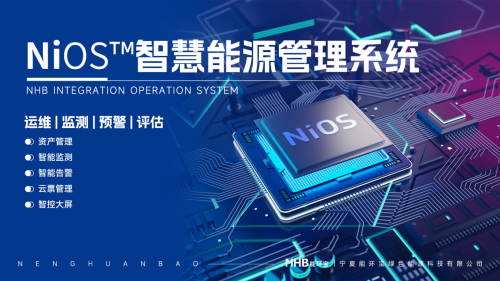
从IoT监测到AI诊断:解析NiOS 智慧能源管理系统运行流程
Jin Tou Wang· 2026-01-28 09:46
Core Insights - The NiOS Smart Energy Management System has been developed to enhance operational efficiency in the commercial distributed photovoltaic (PV) maintenance sector, focusing on data accuracy and feedback speed as key competitive factors [1][3] Group 1: System Architecture - The NiOS system is structured into three layers: the perception layer (IoT sensors), the analysis layer (AI algorithms), and the execution layer (automated operations), creating a closed-loop management logic [1] - The perception layer utilizes high-precision sensor clusters and drone inspections with high-definition cameras and infrared thermal imaging to capture data across critical nodes [1] - The analysis layer processes vast amounts of physical signals using AI, enabling health diagnostics and anomaly detection at the string level, with data updates occurring every minute [1][3] Group 2: Features and Capabilities - Core modules of the NiOS system include asset management, intelligent monitoring, smart alerts, cloud ticket management, and a smart control dashboard [3] - The system employs LBS (Location-Based Services) for dispatch management, allowing for proximity-based task assignments to maintenance personnel [3] - Digital twin modeling technology replicates the physical state of power plants in a virtual space, providing quantitative data support for management decisions [3] Group 3: Industry Trends - As the installed capacity of commercial PV plants increases, the focus of maintenance work is shifting from manual inspections to algorithm-based monitoring [3] - The NiOS system reduces information lag in management processes by connecting the perception, analysis, and execution phases in a closed loop, representing a typical application of digital-driven management in clean energy solutions [3]