LTV提升

Search documents
所谓的“行业龙头”,其实只是被流量红利惯坏的“巨婴”
3 6 Ke· 2026-01-15 09:38
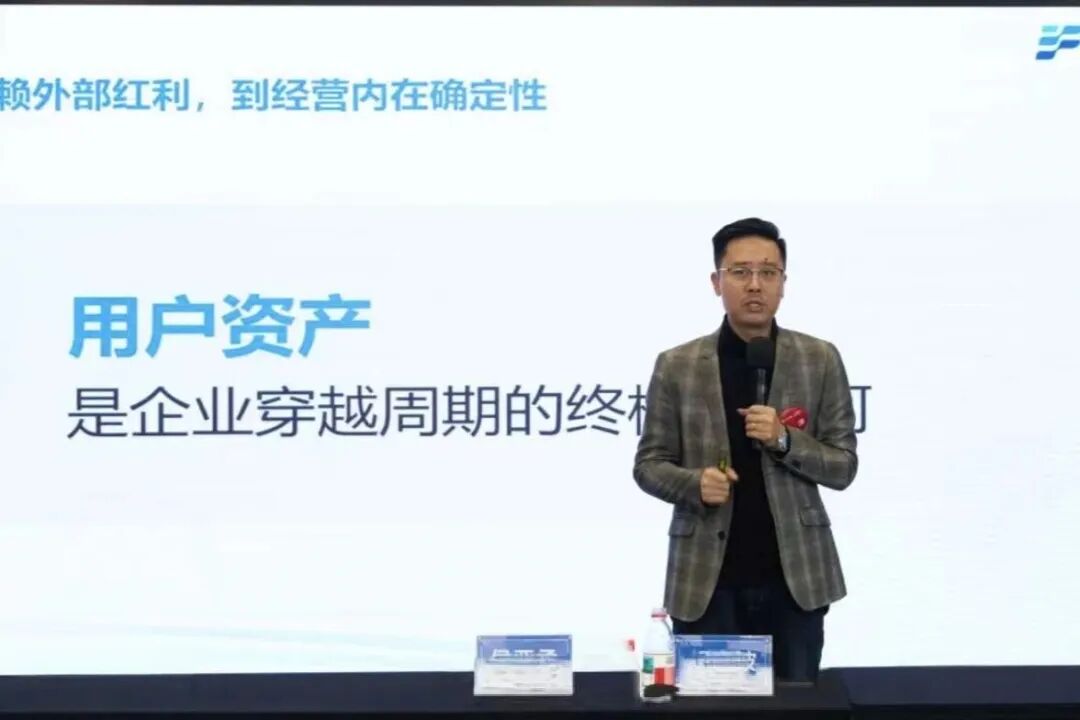
Core Insights - Many large revenue companies are struggling with a "cognitive scale" issue, where their operational mindset is not aligned with their growth potential, leading to increased revenue but declining profits [1][2][3] - Companies are often caught in a cycle of acquiring new customers while neglecting customer retention, resulting in wasted marketing expenditures and lost profits [11][12][14] Group 1: Growth Paradox - Companies are experiencing a paradox where revenue is increasing (e.g., a 25% growth in a health company) but net profits are declining due to increased costs associated with platform fees, channel commissions, and internal incentives [2][5][6] - The focus on immediate resource calculations, such as increasing traffic, overshadows the need for long-term strategic planning to retain customers [2][3] Group 2: Traditional Funnel Model Issues - The traditional sales funnel model has two critical flaws: focusing solely on new customer acquisition while ignoring retention, and prioritizing short-term sales over nurturing potential long-term customers [11][12][13] - Companies are discarding valuable leads that could be nurtured into loyal customers, leading to wasted customer acquisition costs [10][11] Group 3: Strategic Elevation - To break the cycle of customer churn and acquisition, companies need to elevate their strategy to focus on user-centric approaches, which are essential for sustainable growth [15][18] - Successful companies are those that prioritize user strategy over mere resource acquisition, ensuring long-term customer retention and value creation [16][18] Group 4: User Asset Framework - A clear formula for transforming user strategy into measurable business outcomes is presented: User Assets = User Data × Precision Operations, which enhances customer lifetime value (LTV) [23][24] - Companies must collect and integrate consumer data across all channels to create identifiable and measurable user assets [23] Group 5: System Support and Five Forces Model - Effective user asset management requires a comprehensive system supported by five key dimensions: product strength, brand strength, organizational strength, service strength, and technological strength [25][26] - Leading companies are already implementing these strategies to deepen user relationships and enhance profitability [27][28] Group 6: Final Recommendations - Companies should transition from being "traffic workers" to "user capitalists" by focusing on user relationships and long-term value creation [30][32] - A critical self-assessment is necessary to understand the retention of newly acquired customers and to identify profit leaks [34]