Physical exercise

Search documents
You love your dog, but do you really get them? | Ali Hemyari | TEDxOldHickory
TEDx Talks· 2025-11-13 18:00
[Applause] Michael walks into his house. He's six years old and it's been a long day. Upon entering, he notices the television's on.His brothers and sisters are upstairs playing. So, he walks over to the couch. She grabs his favorite blanket and a toy and he cuddles up in front of the TV.And as he dozes off, he has this dream where he and his siblings are playing in a big open field, running, chasing, keep away. In fact, the dream is so vivid that his body physically kicks, almost startling him awake. And i ...


Neurofitness: Exercising the Brain | Juan Pablo Barea | TEDxYouth@AICS
TEDx Talks· 2025-08-20 14:56
Cognitive Benefits of Exercise - Physical exercise optimizes cognitive functions like memory and focus, providing a mood boost for around 3 hours [1][14] - Long-term, repetitive exercise can have benefits against Alzheimer's, dementia, and depression [1][15] - Exercise increases BDNF growth factors in the brain, optimizing neurogenesis [14] - Physical activity thickens the prefrontal cortex, improving processing speed, planning, and emotional regulation [15][16][17] Neurological Impact of Exercise - Exercise increases heart rate, delivering more oxygen and BDNF growth factors to the brain [13][14] - Neurogenesis, the production of new brain cells, is increased through movement [10][11] - Physically active individuals can double or triple the number of brain cells compared to inactive individuals [11] - Exercise strengthens the hippocampus, protecting against Alzheimer's and dementia [9][15] Practical Recommendations - 150 minutes of moderate-intensity cardio per week is recommended to see benefits [23] - Maintaining heart rate around 60-75% of maximum heart rate during exercise is beneficial [23] - Incorporating complex motor skills and repeating patterns can increase gray matter in the brain [25][26]

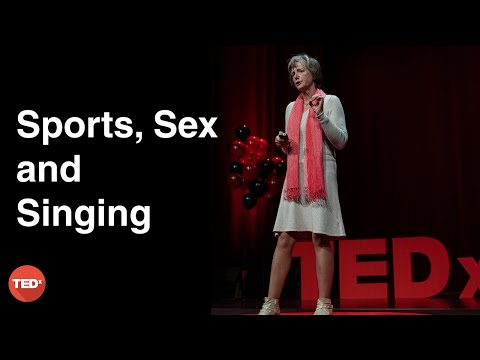
Sports, Sex, and Singing: How to Use Your Body’s Natural Drugs | Dr. Inga Neumann | TEDxHHN
TEDx Talks· 2025-08-14 14:47
Drug Use & Addiction - Germany's Ministry of Health indicates 12 million smokers, 16 million (1.6%) ecodependent people, 3 million people with problematic medication use, and 1 million young adults regularly consuming cannabis or illegal drugs [1] - Drug dependence begins when the desire to use drugs arises after the pleasant effects wear off, and this desire is satisfied more and more often [2] - Consumed drugs trick the brain into repeated drug use, leading to addiction [9] Endogenous Drugs & Their Effects - The body has receptors for consumed drugs, primarily located on the surface of nerve cells [2][3] - These receptors are designed to fit the body's own substances, endogenous drugs, which the body naturally produces and have drug-like effects [4] - Endogenous drugs can be stimulated by activities like exercise, singing, social bonding, or sexual activity [5] - Endogenous opioids are stimulated by sexual activity and physical exercise, acting as natural painkillers and mood enhancers [7] - Dopamine, a neurotransmitter, produces feelings of happiness and satisfaction, reinforcing behaviors important for survival [8] Oxytocin & Bonding - Oxytocin, also called the cuddle hormone, plays a major role in mammalian reproduction, strengthening labor during birth and enabling milk flow during lactation [10] - Oxytocin enhances the motivation to care for and bond with offspring by strongly activating the brain's reward system [12][13] - Oxytocin is essential for individual social recognition, enhancing social salience and enforcing the sensory detection of individual social cues [18][19] Activities & Endogenous Drug Release - Physical exercise, like running, boosts endogenous drug-like systems, with elevated levels of oxytocin and cortisol found after running [20][21] - Singing, whether alone or in a choir, has beneficial effects on mental and physical health, increasing oxytocin levels and reducing stress [24][25]