Price Difference between Physical Stores and E - commerce

Search documents
一件衣服,为啥实体店上千元,电商只卖几十块?问题出在哪儿?
Sou Hu Cai Jing· 2026-02-26 17:05
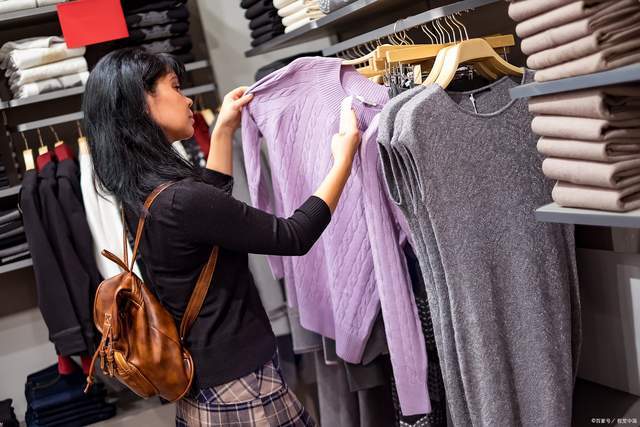
Core Viewpoint - The significant price disparity between clothing sold in physical stores and online platforms is attributed to various operational, quality, supply chain, and customer experience factors. Group 1: Operational Costs - Physical stores incur high operational costs, including rent for large spaces, salaries for staff, and utility expenses, which contribute to higher retail prices for clothing [2] - In contrast, online clothing retailers have lower operational costs due to the absence of physical storefronts and minimal staffing requirements, allowing them to offer lower prices [2] Group 2: Quality Differences - The clothing sold in physical stores often features higher quality materials, such as a blend of wool and alpaca, while online counterparts may use cheaper synthetic materials like polyester, leading to significant quality discrepancies [5] Group 3: Supply Chain and Sales Model - Physical stores typically rely on brand franchising or wholesale purchasing, which involves multiple intermediaries that increase costs, resulting in higher retail prices [6] - Online retailers can reduce costs by sourcing directly from manufacturers and employing a low-margin, high-volume sales strategy, which allows for lower pricing [6] Group 4: Inventory Risks - Physical stores face risks of inventory accumulation due to seasonal demand, often leading to unsold stock that must be cleared at a loss, which is factored into pricing [9] - Online retailers generally avoid severe inventory issues by adopting a low-price, high-volume sales approach [9] Group 5: Shopping Experience - Physical stores provide a superior shopping experience, allowing customers to try on clothing and receive personalized assistance from sales staff, which justifies higher prices [10] - Online shopping lacks the immediate tactile experience and can complicate returns, making the in-store experience more valuable [10] Conclusion - The differences in pricing between physical and online clothing sales stem from operational costs, quality of materials, supply chain dynamics, inventory management, and the overall shopping experience [12]

一件衣服,为啥实体店500元,电商只卖几十元?问题出在哪儿?
Sou Hu Cai Jing· 2025-11-30 16:08
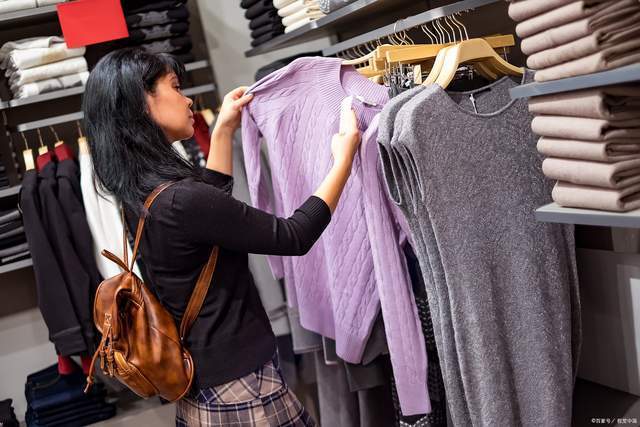
Core Insights - The significant price difference between physical stores and e-commerce platforms for clothing is attributed to multiple factors Group 1: Sales Model Differences - The sales model disparity leads to different pricing strategies, with physical stores limited by foot traffic and e-commerce platforms benefiting from a broader reach and higher sales volume [3] - E-commerce platforms can adopt a low-margin, high-volume strategy due to direct sourcing from manufacturers, reducing costs compared to the complex supply chain of physical stores [3] Group 2: Material and Quality Differences - E-commerce clothing often uses cheaper synthetic materials, while physical stores prioritize higher-quality fabrics like silk, leading to a direct correlation between material cost and retail price [4] - The presence of counterfeit goods on e-commerce platforms further complicates pricing, as physical stores face strict quality control and penalties for selling fake products [4] Group 3: Operational Cost Disparities - Operating an e-commerce business requires minimal staff and lower overhead, while physical stores incur high rent, renovation, and labor costs, which are reflected in the pricing of their products [5] - The high operational costs of physical stores place them at a competitive disadvantage in pricing against e-commerce platforms [5]