Real Estate Regulation

Search documents
银行行长透露:房子和车子都会贬值,未来手握这两样令人安心
Sou Hu Cai Jing· 2026-02-16 18:21
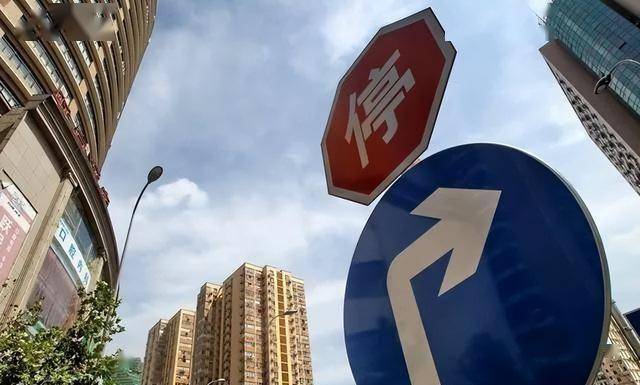
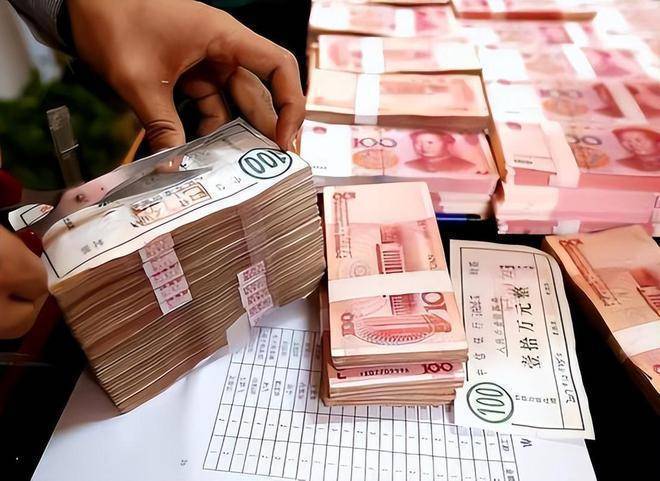
Group 1 - The core viewpoint is that despite the significant increase in M2 money supply, the expected rapid depreciation of the RMB has not occurred due to a deflationary economic cycle and lack of consumer confidence [1][3] - The total M2 money supply in China has reached 330 trillion, which is double that of the US and exceeds the total of all currencies in Europe and Japan [1] - The Consumer Price Index (CPI) has shown a year-on-year decrease of 0.1%, indicating a trend of stable but declining prices [3] Group 2 - A large portion of the excessive money supply remains trapped within the financial system, failing to circulate into the broader economy due to low confidence among businesses and consumers [5] - The sluggish state of the real economy has weakened consumer purchasing power, leading to reduced spending and significant inventory buildup for businesses [7] - Companies are forced to lower prices to recover funds, resulting in a downward trend in prices rather than inflation [7] Group 3 - The real estate market has been on a downward adjustment path since 2022, with significant price drops observed in both second-tier cities and major cities like Shanghai, where prices have fallen over 30% from their peak [8][10] - The decline in housing prices is attributed to stringent regulatory measures aimed at curbing rapid price increases, which have led to a prolonged adjustment period in the real estate market [10] - The automotive market is experiencing widespread price cuts, with some models seeing reductions of over 60,000, driven by a shift towards electric vehicles and decreased demand from middle-class families [11] Group 4 - Despite the declining prices of housing and automobiles, holding cash reserves is emphasized as a means to provide security during economic uncertainty [13]

Statement from TRREB, Cornerstone, OREB, OnePoint, and CLAR on Ford Government Review of RECO
GlobeNewswire News Room· 2025-08-29 15:19
Core Points - Ontario's five largest REALTOR® associations support the Ford government's intervention in the review of the Real Estate Council of Ontario (RECO) following the iPro Realty Ltd. investigation [1] - The associations advocate for a comprehensive review of RECO's governance and practices, emphasizing the need for reforms such as Ombudsperson oversight and stronger accountability measures [2][4] - The iPro Realty investigation has raised concerns about transparency and accountability within Ontario's real estate regulator, impacting consumer confidence and the reputation of honest REALTORS® [3] Recommendations - The associations recommend bringing RECO under the oversight of Ombudsman Ontario, similar to real estate regulators in British Columbia and Québec, to enhance consumer protection and professionalism [4] - There is a commitment from the associations to collaborate with the government to ensure the review leads to a transparent and effective regulatory body [5]

大家都说买不起房,可为何楼盘开盘就卖光?看看房产销售怎样说!
Sou Hu Cai Jing· 2025-05-26 04:07
Core Insights - The high housing prices have created a significant gap between income and affordability, leading to widespread frustration among potential homebuyers [1] - Despite the high prices, new housing developments often sell out quickly, raising questions about the underlying reasons for this phenomenon [1][3] Group 1: Market Dynamics - There is speculation that developers may be manipulating the market by creating a false sense of demand through tactics such as hiring "straw buyers" or spreading rumors of rapid sales [3] - The primary buyers in the current market are young people who are increasingly in need of housing due to marriage and family formation, driving up demand [3][5] Group 2: Investment Behavior - Many individuals continue to invest in real estate due to the perception that it is a stable asset that can appreciate in value, especially as it is linked to social benefits like urban residency and education [5] - The distinction between casual investors and professional property speculators is blurred, as many families hold multiple properties for investment purposes, akin to speculative behavior [5] Group 3: Regulatory Environment - In response to rampant speculation, the government has implemented a series of regulatory measures aimed at stabilizing the housing market, including policies that increase the cost of holding and trading properties for speculators [7] - The introduction of property taxes, shared ownership schemes, and rental options aims to provide more housing solutions for those without homes, reducing reliance on purchasing property [7] Group 4: Future Outlook - It is anticipated that as regulatory measures take effect, the phenomenon of rapid sell-outs at housing developments will diminish, leading to a more rational real estate market with stabilized prices [9] - The realization of risks associated with speculative buying may deter investors from engaging in such practices, contributing to a more balanced housing market in the future [9]