Recession - proof

Search documents
Bank of America revamps Costco stock price before earnings
Yahoo Finance· 2026-03-04 19:47
Core Viewpoint - Bank of America reinstated coverage of Costco with a Buy rating and a price target of $1,185, indicating a potential 20% upside from its current price of $988 per share [1] Group 1: Stock Performance - Costco shares increased by 2.8% to $1,012 intraday, outperforming the S&P 500 by 15 points this year [2] - The stock movement occurred ahead of earnings scheduled for March 6 [2] Group 2: Membership Model - Costco has approximately 135 million cardholders with global renewal rates of 93% and 96% in the U.S., contributing to $5.2 billion in annual fee revenue at nearly 90% margins [4] - The membership model allows Costco to price products aggressively, maintaining high customer retention and renewal rates [4] Group 3: Recent Developments - Costco raised its executive membership fee to $130 from $120 and primary membership to $65 from $60, expected to add about $800 million to earnings over the next two years [5] - First-quarter earnings were reported at $4.50 per share, exceeding the expected $4.27, with revenue growing 8.2% to $65.98 billion [7] Group 4: Growth Metrics - Membership renewal rates generate $5.2 billion in near-pure-profit annual fee revenue [8] - Comparable sales grew 6.4% last quarter, excluding gas and currency fluctuations [8] - E-commerce sales increased by 22%, with digital penetration doubling from 4% to 8% over three years [8] - Kirkland Signature private label accounts for 30% of total sales, typically priced 20% below name brands [8] - New warehouses in China and Europe are in early stages, providing long-term growth potential [8]

Vice Stocks Enter ’26 With a Harsh Hangover
Yahoo Finance· 2026-01-02 05:01
Sector Overview - Vice stocks experienced mixed performance in 2025, with Philip Morris International rising nearly 34% and AB InBev increasing about 29%, while Molson Coors fell 18% [1] - Despite challenges, vice stocks are considered "recession-proof" and are expected to remain resilient in the market [2] Cannabis Industry - President Trump signed an executive order reclassifying marijuana from Schedule 1 to Schedule 3, marking a significant regulatory change for the cannabis sector [4] - Companies in the cannabis industry are facing difficulties accessing financial services and capital, leading to investor wariness [4] Nicotine Market - The shift towards smokeless products is evident, with 41% of Philip Morris's revenue derived from smoke-free products like Zyn [4] - Philip Morris successfully defended against a class-action lawsuit regarding pricing practices for Zyn, the only FDA-approved nicotine pouch [4] Alcohol Sector - Sales of beer, wine, and spirits are declining, with Molson Coors reporting a loss of $2.9 billion in the fall quarter and anticipating a 4% sales drop this year [4] - AB InBev reported its slowest profit growth since 2021, while the industry faces challenges from the "sober-curious" trend [4]


The Only Battle-Tested Retail Stock I Flat-Out Refuse to Sell
The Motley Fool· 2025-12-28 17:53
Core Viewpoint - Walmart is a resilient retail giant that has consistently performed well during economic downturns, making it a reliable long-term investment option [2][10]. Company Performance - Walmart has a market capitalization of $891 billion and a current stock price of $111.74, with a gross margin of 23.90% and a dividend yield of 0.84% [7]. - The stock has shown strong performance during various recessions, including a 14% increase from March to November 2001, while the S&P 500 declined by 8% [9]. - During the Great Recession from October 2007 to March 2009, Walmart's stock rose by 8%, contrasting with a 36% decline in the S&P 500 [11]. - In the COVID-19 crash from February to March 2020, Walmart's stock declined by less than 1%, while the S&P 500 fell by 20% [11]. Business Strategy - Walmart's core business model focuses on selling everyday items at low prices, which attracts consumers even during economic hardships [4]. - The company has successfully expanded its business through annual memberships, advertising, and e-commerce, but its brick-and-mortar presence remains crucial [5]. - Walmart is particularly favored by consumers during periods of high inflation, as it offers discounts that are often unavailable at premium retailers [6].



1 Stock I'd Buy Before TJX In 2026
The Motley Fool· 2025-12-27 02:07
Group 1: TJX Companies Overview - TJX Companies has a unique retail model that performs well in various economic conditions, achieving a 30% gain in 2025 [1] - The company operates off-price retail chains such as TJ Maxx, Home Goods, and Marshalls, utilizing a "treasure hunt" model that attracts customers to physical stores [3][4] - In the fiscal third quarter of 2025, comparable sales increased by 5% year over year, and earnings per share (EPS) rose by 12% to $1.28, both exceeding expectations [5] Group 2: Market Position and Future Outlook - TJX's business model is particularly effective during high inflation periods, making it a strong "recession-proof" stock [4] - Management is optimistic about future growth, with CEO Ernie Herrman highlighting the potential for market share capture and global expansion [5] Group 3: Comparison with Urban Outfitters - Urban Outfitters has shown remarkable performance, with a stock increase of 224% over the past three years, significantly outpacing TJX's gains [8] - Urban Outfitters trades at a P/E ratio of less than 15, which is less than half of TJX's P/E ratio of 35, indicating a potential investment opportunity [8] - In the fiscal third quarter of 2026, Urban Outfitters reported a 12.3% increase in sales and an 8% rise in comparable sales, with EPS increasing by 16% to $1.28 [9][10]



Medtronic (MDT) and its Role in a Recession-Proof Portfolio
Yahoo Finance· 2025-09-29 17:26
Group 1: Company Overview - Medtronic plc (NYSE:MDT) is one of the world's largest medical device makers, with a diverse portfolio in diabetes care, cardiovascular health, medical surgical, and neuroscience [3] - The company has been rewarding shareholders with growing dividends for 48 years, currently paying a quarterly dividend of $0.71 per share, resulting in a dividend yield of 3.01% as of September 26 [5] Group 2: Market Position and Growth Potential - Medtronic is well-positioned for long-term growth, benefiting from its strong industry presence and the global trend of an aging population [4] - The company has invested in high-potential areas such as robotic-assisted surgery, noting that fewer than 5% of eligible surgeries are currently performed robotically, indicating significant growth opportunities [4] Group 3: Resilience in Economic Downturns - In a recession, defensive sectors like healthcare tend to perform better, and Medtronic is expected to benefit from this resilience due to the essential nature of its medical products and services [2]

This Healthcare Stock Is Soaring
The Motley Fool· 2025-09-13 17:49
Industry Overview - The healthcare industry in the U.S. is experiencing rapid growth, currently accounting for over 17% of the economy and expected to expand at an average rate of 5.8% annually through 2033, potentially exceeding 20% of the economy [1][2] - The sector is considered recession-resistant, historically performing well during economic downturns as healthcare remains a necessity [2] - Demographic trends indicate a growing elderly population, with projections showing the number of Americans aged 65 or older rising from 62 million in 2024 to 84 million in 2054, increasing the demand for healthcare services [3] Company Profile: CVS Health - CVS Health operates approximately 9,600 stores across all 50 states, with 85% of Americans living within 10 miles of a location, making it a significant player in the healthcare sector [5][6] - The company provides a range of healthcare services, including lab tests, health screenings, vaccinations, and minor injury treatments, employing over 40,000 healthcare professionals [6] - CVS Health owns Aetna, the fifth-largest health insurer in the U.S., covering 36 million people, and holds a 27% market share in pharmacy prescriptions nationwide [6][7] Financial Performance - CVS Health reported strong second-quarter results, exceeding Wall Street's earnings and revenue estimates, and raised its full-year earnings per share guidance from $6.00-$6.20 to $6.30-$6.40 [9] - The stock price increased by 18% in August following the earnings report, with analysts projecting earnings growth of 15% in 2025 and 13% in 2026 [9] - Despite a year-to-date stock increase of 65% as of September 10, the stock remains undervalued, trading at just 10 times forward earnings estimates, lower than many peers in the healthcare industry [10][11] Strategic Moves - CVS Health is expanding its footprint by acquiring former Rite Aid locations, which filed for bankruptcy protection, and is also acquiring Rite Aid's prescription files [10] - The company has a market capitalization of approximately $90 billion and has returned value to shareholders through stock repurchases and dividends, paying $3.3 billion in dividends last year [11] Market Position - Recent stock price dips occurred when CVS executives did not provide guidance on upcoming government ratings affecting Medicare Advantage plans, but this is not seen as a significant concern [12] - The current market conditions present an opportunity for investors to acquire shares of CVS Health, given its growth potential and strategic expansions [13]

The Motley Fool Just Ranked the Biggest Consumer Staples Stocks. Here's Why the No.
The Motley Fool· 2025-08-24 15:38
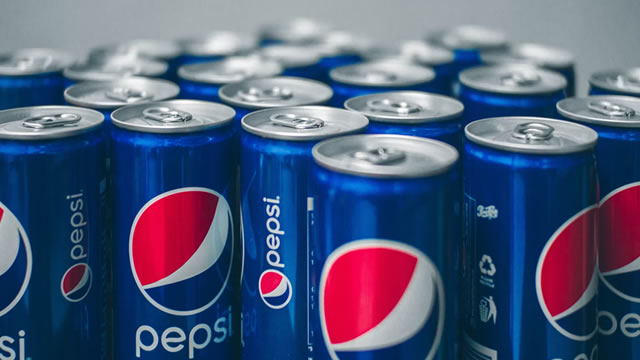
Core Viewpoint - PepsiCo is highlighted as a potentially "recession-proof" investment opportunity due to its strong business model and history of dividend increases, despite current challenges affecting its stock price [2][7]. Company Overview - PepsiCo is a leading player in the consumer staples sector, focusing on food and beverages, with well-known brands like Pepsi, Frito-Lay, and Quaker Oats [5]. - The company has a market capitalization of approximately $200 billion, providing it with the ability to consolidate promising brands and adapt to consumer preferences [5]. Business Model Strength - PepsiCo's business model is characterized by its resilience during economic downturns, as consumer staples are essential items that maintain steady demand [3]. - The company has a strong dividend history, being classified as a Dividend King with over five decades of annual dividend increases, indicating reliable execution and a solid business model [6]. Current Challenges - Despite its strengths, PepsiCo is currently facing challenges, with its stock price down over 20% from its 2023 highs, placing it in a personal bear market [9]. - The company's dividend yield has increased to 3.8%, providing an attractive income stream for investors during uncertain economic times [8]. Investment Considerations - Investing in PepsiCo may be beneficial during a recession, as consumer staples are viewed as safe haven stocks, potentially leading to better stock performance even in a bear market [10]. - Recent acquisitions, including a Mexican-American food maker and a pre-biotic beverage company, suggest that PepsiCo is returning to strategies that have historically driven long-term growth [12].