Sinking Market

Search documents
“行李变轻”印证消费下沉放量
Xin Lang Cai Jing· 2026-02-26 21:46
Core Insights - The rapid development of county-level instant retail in China is transforming consumer behavior during the Spring Festival, with more people opting for light travel and ordering goods online for home delivery instead of carrying them back from cities [2][3] Group 1: Market Trends - Instant retail in China has been growing at a pace that consistently exceeds the average growth rate of total retail sales of consumer goods, with projections indicating that the market will surpass 1 trillion yuan by 2026 and reach 2 trillion yuan by 2030, with an average annual growth rate of 12.6% during the 14th Five-Year Plan period [3] - The county-level instant retail market is characterized by a diverse range of products, including traditional New Year goods, daily necessities, and personalized items, reflecting a shift towards a more comprehensive consumption model [3][4] Group 2: Consumer Behavior - The trend of "light travel" during the Spring Festival indicates a significant change in consumer habits, where individuals prioritize convenience and immediate access to goods over traditional practices of carrying items home [2][4] - The demand from returning populations is driving supply upgrades, with both chain brands and local small businesses adapting to meet the evolving needs of consumers [3][5] Group 3: Technological and Infrastructure Developments - The integration of AI in instant retail is emerging as a new trend, with a notable increase in orders from county-level areas, particularly among older users who are beginning to utilize these services [4] - Improvements in county-level commercial infrastructure and logistics efficiency are laying a solid foundation for the growth of instant retail [4][5] Group 4: Economic Implications - The growth of county-level instant retail is signaling the release of significant potential in the consumer market, becoming a new growth point for consumption [5] - The fusion of digital economy and physical economy is reshaping the commercial landscape in counties, while also narrowing the consumption gap between urban and rural areas [5]


预见2025:《2025年中国电梯媒体行业全景图谱》(附行业规模、竞争格局、发展前景等)
Qian Zhan Wang· 2026-01-01 02:09
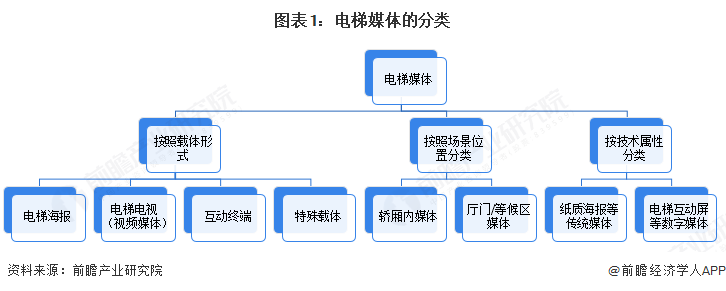
Core Insights - The article discusses the current state and future prospects of the elevator media industry in China, highlighting its market size, competitive landscape, and growth trends. Industry Overview - Elevator media refers to outdoor media forms that convey information to audiences through digital or traditional means in elevator cabins, hall doors, and waiting areas [1] - The industry can be categorized by carrier type (elevator posters, elevator TVs, interactive terminals), location (in-cabin media, hall door/waiting area media), and technology (traditional media like paper posters and digital media like interactive screens) [1] Industry Chain Analysis - The upstream of the elevator media industry consists of hardware suppliers and property management companies, while the midstream includes elevator media operators, and the downstream comprises clients from various industries [3][5] Industry Development History - The development of the elevator media industry in China can be divided into three phases: the elevator poster era, the elevator LCD era, and the current elevator smart screen era, with smart screens gaining popularity due to their superior video quality [6] Industry Policy Background - Recent policies have been introduced to enhance the regulatory framework for the advertising industry, including the "Advertising Law" and "Internet Advertising Management Measures," which aim to promote the development of the media advertising sector [10][12] Current Industry Status - As of 2024, the total number of elevators registered in China reached 11.53 million, marking a year-on-year increase of 3.2% [17] - The number of elevator advertising media devices has reached 1.7 million, with 1.3 million smart screens and 400,000 LCD screens in 25 major cities [15][16] - The number of brands advertising through elevator media in 2024 is close to 20,000, with 15,000 on smart screens and 4,600 on LCDs [17] - The industry scale of elevator media exceeded 139 billion yuan in 2023, with a growth rate of over 20%, and is projected to surpass 150 billion yuan in 2024 [21] - Significant growth in advertising spending has been observed in sectors such as beverages, food, and cosmetics, with the cosmetics sector seeing over 90% growth in LCD advertising spending [24] Industry Competitive Landscape - In 2024, the market share of major players in the elevator media industry is approximately 74% for Focus Media and 14% for New Trend Media, with the remaining 12% shared among other companies [27] - Key companies are primarily located in provinces such as Guangdong, Sichuan, Shanghai, and Beijing, with Focus Media based in Shanghai and New Trend Media in Sichuan [30] Industry Development Outlook - The industry is expected to transition towards digitalization and intelligence, with smart screens replacing traditional formats and the application of AI, big data, and IoT technologies enhancing personalized content [30] - By 2030, the elevator media industry in China is projected to approach 300 billion yuan, driven by the adoption of new technologies and expansion into lower-tier cities [31]

直播救活夫妻店:县城没有主理人,只有守店人
Xin Lang Cai Jing· 2025-10-16 08:14
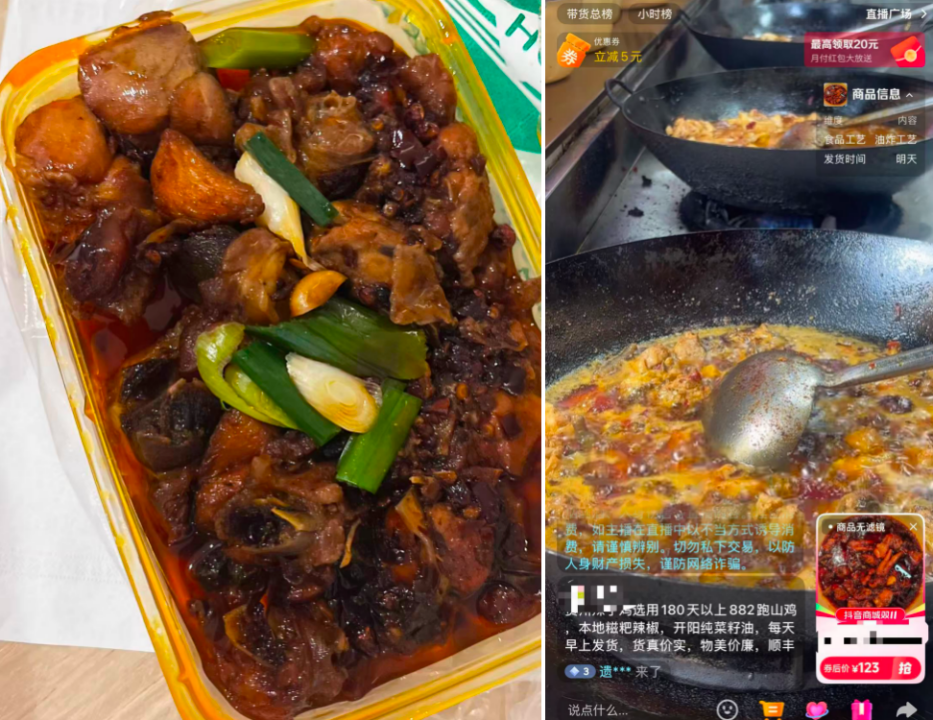
Core Insights - The article discusses the rise of live streaming as a new business model for small local restaurants in lower-tier cities, helping them survive against the competition from chain restaurants [5][21][32] - It highlights how live streaming allows these small businesses to reach a wider audience, effectively transforming their operations into a digital storefront [30][22] Group 1: Live Streaming as a Business Model - Live streaming has become a common practice among small eateries, allowing them to showcase their food and engage with potential customers in real-time [3][10] - Many small shops are now offering nationwide delivery through live streaming, which helps them tap into a broader market beyond their local clientele [19][22] - The informal and authentic nature of these live streams fosters a sense of trust and connection with viewers, which can lead to increased sales [10][18] Group 2: Challenges Faced by Small Businesses - Small local restaurants are struggling to compete with the influx of chain restaurants, which offer standardized experiences and have more robust supply chains [14][21] - The average daily revenue for these small businesses is reported to be between 200-300, with a 50% gross margin, making it difficult to cover operational costs [18][32] - Many small eateries have seen a significant decline in foot traffic, with some relying solely on delivery and live streaming to sustain their operations [13][15] Group 3: The Impact of Live Streaming on Consumer Behavior - Consumers are increasingly drawn to the authenticity and local flavor of small businesses showcased through live streaming, contrasting with the standardized offerings of chains [19][22] - Live streaming serves as a new form of marketing that allows small businesses to break down barriers and attract customers who might not otherwise visit their physical locations [29][30] - The ability to present their cooking processes and engage with viewers in real-time helps small businesses create a unique selling proposition that resonates with consumers [30][32]