Trade Imbalance

Search documents
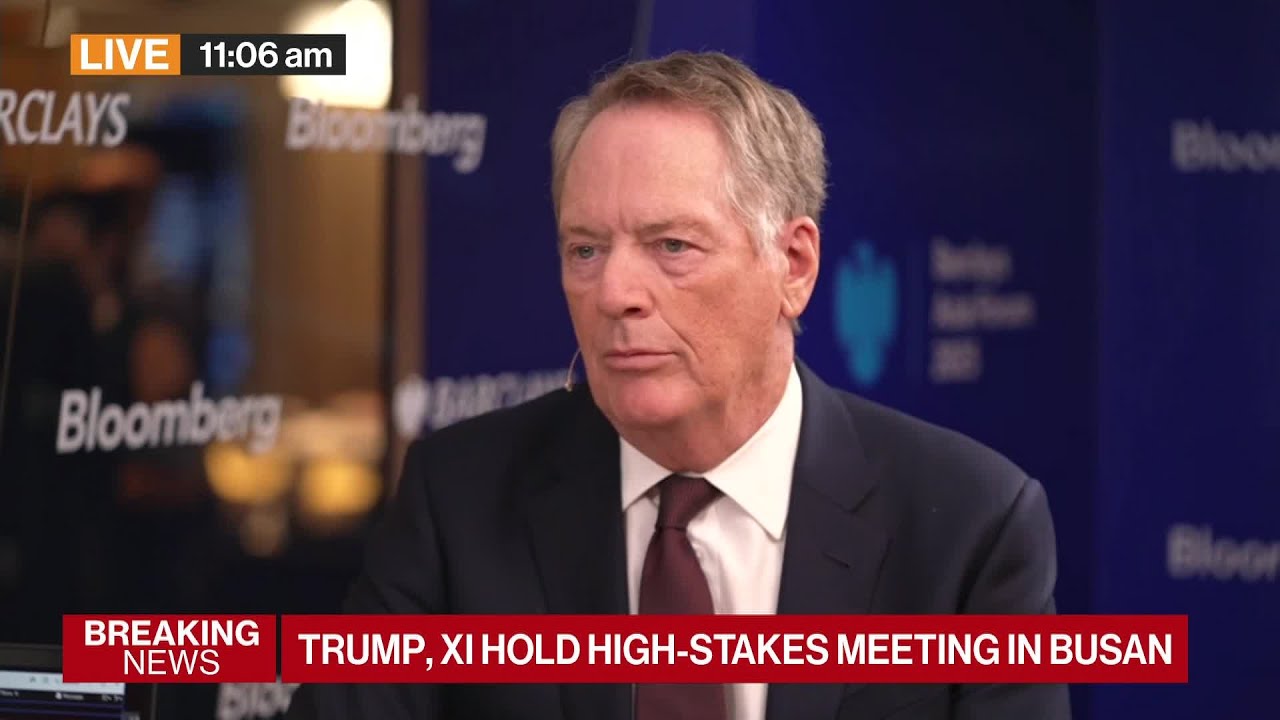
Trump's Former Trade Chief Calls for 'Substantial' China Tariffs, Tech Curbs
Youtube· 2025-10-30 08:11
Economic Context - A successful trade deal must address both economic and national security contexts, with technology being a critical factor in both [1][3] - Maintaining substantial tariffs is essential to correct the unbalanced trade relationship with China, which has resulted in significant wealth transfer to China [2][15] National Security Concerns - The U.S. must avoid making concessions that could harm national security, particularly regarding technology transfers to China [3][5] - Export controls will remain a vital part of U.S. policy, ensuring that sensitive technology is not shared with China [7][18] Choke Points and Fentanyl - Addressing choke point issues is crucial to prevent economic disruptions for both the U.S. and China [4][9] - Fentanyl trafficking from China is a significant concern, with approximately 100,000 deaths annually in the U.S. attributed to it, and China has the capability to halt this flow if desired [10][11] Agricultural Trade - Soybeans are a key component of U.S. agricultural exports, making it important for China to purchase them, although this is less critical than tariffs and national security issues [12][14] Trade Imbalance - The U.S. should aim for balanced trade with China, avoiding large trade surpluses that have historically favored China [15][16] - The nature of Chinese investments in the U.S. should be carefully controlled, particularly in technology sectors, to protect national interests [17][19] Strategic Decoupling - A strategic decoupling between the U.S. and China is anticipated, focusing on maintaining a balanced relationship that prioritizes security and technology independence [24][25]

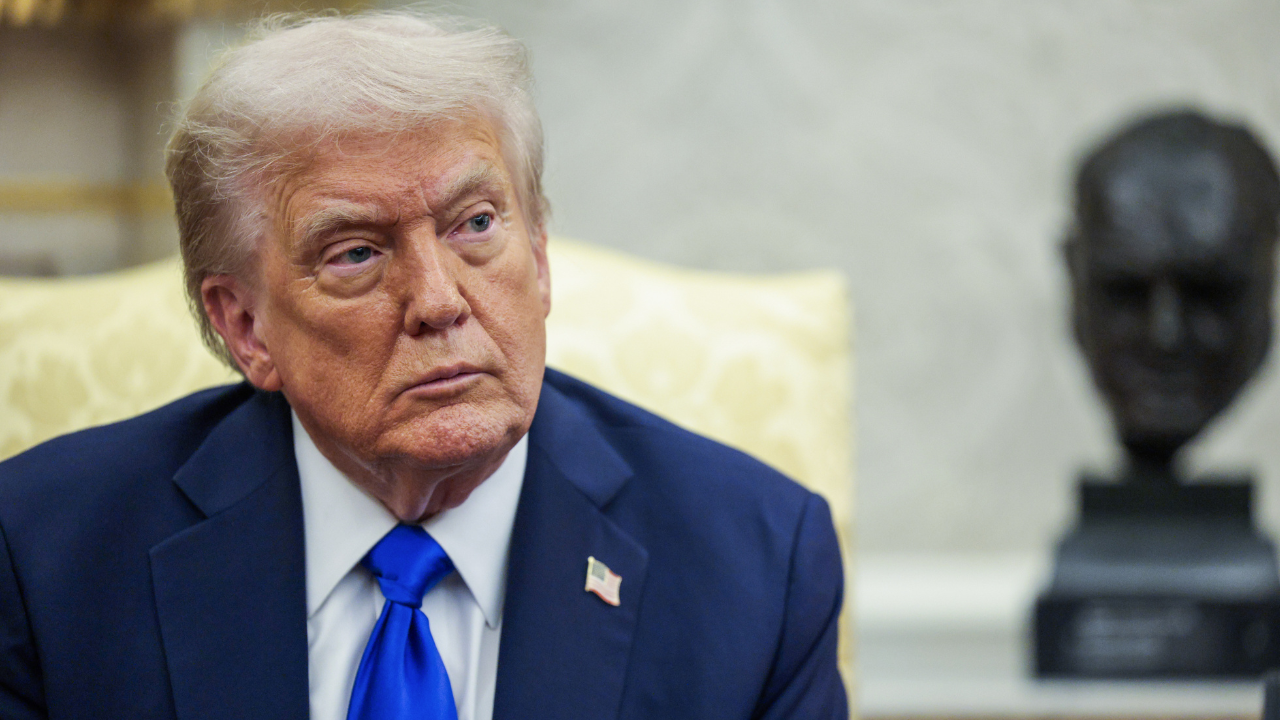
Trump defends tariffs, says US has been ‘the king of being screwed' by trade imbalance
Fox Business· 2025-10-07 20:47
Core Points - President Trump defends tariffs as a necessary correction to trade imbalances, asserting that the U.S. will no longer be exploited by other nations [1][2] - The U.S.-Canada trade relationship is significant, with Canada being America's second-largest trading partner and its largest foreign investor [5][7] - Tariff revenues have reached record levels, totaling $215.2 billion for fiscal year 2025, with August and September alone contributing $62.6 billion [8][9] Trade Relations - The U.S.-Canada trade relationship was valued at over $762 billion last year, with Canada depending on the U.S. for more than 75% of its exports and nearly 50% of its imports [7] - U.S. exports to Canada were approximately $350 billion in 2024, highlighting the depth of economic ties [7] Tariff Revenues - Tariff revenues have shown a steady increase, rising from $17.4 billion in April to $29 billion in July [9] - The Supreme Court is currently reviewing the legality of Trump's tariffs, which are a central aspect of his economic policy [12][14] Business Impact - American businesses pay import taxes directly, which are often passed on to consumers through higher prices, indicating that consumers bear much of the tariff burden [11]
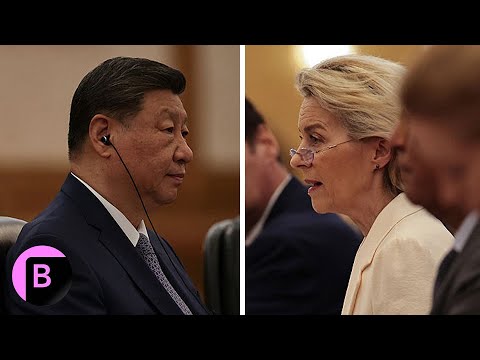
China-EU Trade: Xi Meets EU Representatives in Beijing for Summit
Bloomberg Television· 2025-07-24 06:17
EU-China Relations & Trade Dynamics - Expectations for the EU-China summit are low, with a joint statement on climate action being the most likely deliverable [1] - The EU-China relationship is at an inflection point, with potential for improvement or deterioration [2] - China seeks a "win-win" relationship with the EU, a major trading partner [2] - The EU is concerned about the trade imbalance with China, where China exports significantly more to the EU than it imports [3] Trade Imbalance & Shifting Geopolitics - The EU's trade imbalance concerns with China have intensified recently [3] - China has positioned itself as a partner for countries facing unilateral tariffs, particularly in the context of trade conflicts [5] - Closer ties between the EU and the US (potentially through a 15% tariff deal) could reduce the EU's incentive to make concessions to China [4][6] - The idea of EU-China alignment solely based on shared trade rivals is not substantial due to underlying economic issues [6] Key Issues & Obstacles - The EU is troubled by China's economic and diplomatic support for Russia following the invasion of Ukraine [7] - European public opinion views Russia as the greatest threat, making China's support for Moscow problematic [7][8] - EU concerns include the decline in its vehicle exports to China, while China's electric vehicle exports to the EU have increased dramatically [8]
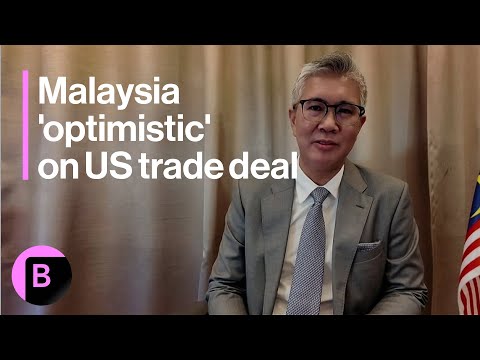
Will US and Malaysia Seal Tariff Deal? Trade Chief Is 'Optimistic'
Bloomberg Television· 2025-07-10 06:23
US-Malaysia Trade Negotiations - Negotiations with the US are ongoing, with the timeline extended to August [1][2] - Malaysia seeks to engage all stakeholders to reach a conclusion in negotiations [4] - Key issues under discussion include agriculture standards and recognition of the digital economy [5] - Malaysia aims for mutual recognition of various standards, especially in agriculture [16] - Malaysia emphasizes the need to address the trade imbalance, highlighting its positive trade surplus with the US, which is based on the US numbers, it's about 25 billion USD in 2024 [13][14][15] Tariffs - Malaysia's average tariff to the US is around 56% [6] - While initially aiming for a 0% tariff rate, the discussion now focuses on an average tariff, with a potential floor of 10% [7] - Some sectors like semiconductors and pharmaceuticals may remain exempt from the 10% tariff [8] Economic Impact and Mitigation - Potential multiple tariffs could impact Malaysia's economy by 50 to 100 basis points (0.5% to 1%) in 2025, depending on the scope and exceptions [24] - Malaysia's GDP growth is forecasted at 45% to 55% [25] - Mitigation strategies include diversifying markets, increasing access to existing markets, and supporting exporters [27] Multilateralism and Trade Relations - Malaysia supports the principle of multilateralism and engages with all countries, believing in a rule-based multilateral order with the WTO at its core [19][20] - Malaysia is applying to be a member of BRICS, viewing it as an important platform for trade and investment, similar to the EU, DCC, and RCEP [17][18] - ASEAN member countries are engaging with the US and have agreed not to take retaliatory measures [22][23]