User Prompt

Search documents
YC合伙人吐槽:今天的AI应用不行,不是AI的问题,而是产品设计能力不行
Founder Park· 2025-05-09 20:21
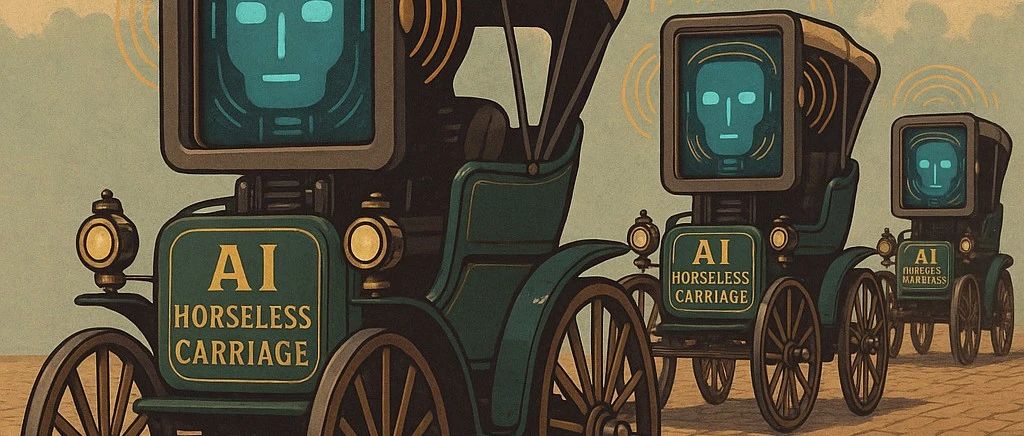
Core Viewpoint - The main argument presented is that many AI products are struggling not due to the limitations of the models themselves, but because of inadequate product design that fails to meet user needs [1][2]. Group 1: AI Product Design Challenges - Current AI applications often rely on outdated product logic, which does not cater to the personalized needs of users, thus hindering the potential of large models [2][3]. - The analogy of the "horseless carriage" is used to illustrate how early AI applications mimic traditional software without rethinking their design for the capabilities of AI [28][31]. Group 2: User Experience with AI - The experience with Gmail's AI assistant, Gemini, highlights that while it can generate reasonable email drafts, the output does not reflect the user's personal writing style, leading to frustration [7][10]. - Users often find themselves spending more time crafting prompts for AI than they would writing the content themselves, indicating a design flaw in the AI's usability [8][9]. Group 3: System and User Prompts - The distinction between system prompts (created by developers) and user prompts (created by users) is emphasized, suggesting that users should have the ability to modify system prompts to better suit their needs [20][24]. - Allowing users to create and edit their own system prompts could lead to significantly improved outcomes and a more engaging product experience [27][38]. Group 4: Future of AI Applications - The expectation is that AI-native applications should automate mundane tasks, allowing users to focus on more important activities, thus maximizing efficiency [47][49]. - The article argues that the real barrier to broader AI application is not the capability of AI itself, but rather the design of applications that fail to leverage AI's strengths [48].