Zeigarnik Effect

Search documents
拖延不是懒,是大脑设下的认知「陷阱」
3 6 Ke· 2026-01-08 01:08
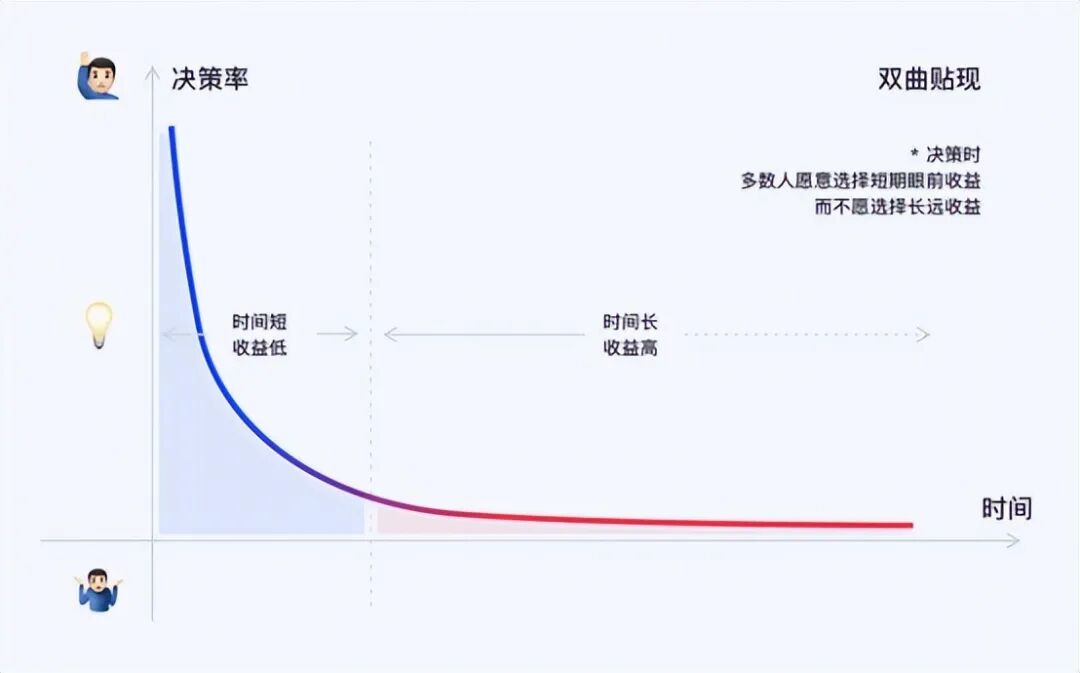
Core Insights - Procrastination is not merely a character flaw but a result of the brain's evolutionary traps, where the emotional center often overrides rational planning [2][34] - Understanding the mechanisms behind procrastination can help individuals break free from its cycle [34] Group 1: Mechanisms of Procrastination - The brain has two conflicting systems: one that seeks immediate gratification and another that plans for the future, leading to procrastination when the emotional center wins [3][4] - Temporal discounting causes future rewards to be perceived as less valuable, making immediate rewards more appealing [4][5] - The phenomenon of "tomorrow's self" being viewed as more reliable leads to continuous procrastination as individuals underestimate the urgency of tasks [6][7][10] Group 2: Characteristics of Procrastinators - Procrastinators tend to overestimate their future time and energy, leading to planning fallacies where they believe they will be more productive than they actually are [13][14] - They also underestimate the true difficulty of tasks, often believing simple tasks will take less time than they do [15][16] - Emotional regulation failures contribute to procrastination, as individuals avoid tasks to escape negative emotions associated with them [17][19] Group 3: Strategies to Overcome Procrastination - Pre-commitment strategies can bind the future self to deadlines, improving task completion rates [21][22] - Shortening feedback cycles by breaking tasks into smaller, more immediate deadlines can reduce procrastination [25][26] - Lowering the activation energy required to start tasks, such as using the "2-minute rule," can help individuals overcome initial inertia [27][28][30] - Accepting anxiety rather than avoiding it can help break the cycle of procrastination, as recognizing and addressing feelings can reduce their impact [31][32][34]