
Zero - waste City

Search documents
惠州“无废城市”建设的全域实践
Zhong Guo Huan Jing Bao· 2026-01-19 00:38
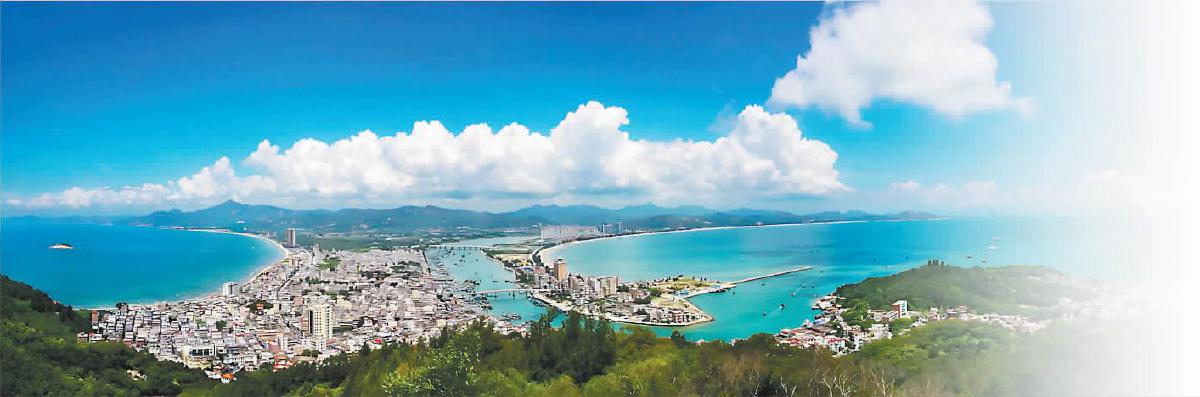
Group 1 - The core concept of "waste-free" has been integrated into the urban development of Huizhou, promoting green economic growth and high-quality development through various initiatives [1][11] - Huizhou's "waste-free city" initiative has expanded beyond a single domain, creating a multi-faceted governance system that involves government, society, and public participation [2][11] - The coastal tourism sector in Huizhou is being enhanced through pollution control and the development of "waste-free beaches," contributing to the local economy with projected tourist visits of 17.56 million and revenue of 9.25 billion yuan in 2024 [2][3] Group 2 - The "one yuan" green recycling mechanism has been implemented in commercial complexes to encourage waste sorting among small and medium-sized businesses, resulting in over 60 participating merchants and generating approximately 20,000 yuan monthly [3][4] - The "waste-free factory" initiative in Huizhou focuses on reducing waste and carbon emissions, with companies like EVE Energy achieving a 99.6% recovery rate of NMP waste liquid and generating economic benefits of about 1.2 billion yuan annually [5][6][7] - Huizhou Lithium's efforts in waste reduction and carbon emission control have led to a 39% decrease in solid waste per unit product and a 25% reduction in total carbon emissions, equating to a decrease of approximately 90,000 tons of CO2 [7] Group 3 - The "waste-free village" concept is being promoted in rural areas, integrating local development with environmental sustainability, as seen in Jin Xing Village's initiatives that combine tourism and agriculture [8][9] - Villages are implementing waste classification and resource recovery systems, with successful models like the "five guarantees" maintenance mechanism and a 100% sanitation toilet coverage rate [9][10] - The construction of green industry projects in rural areas aims to enhance agricultural waste resource utilization and provide stable income for local communities, supporting the overall "waste-free village" initiative [10]


以“海口样板”书写美丽中国新篇章 解码国家生态文明试验区建设的椰城实践
Hai Nan Ri Bao· 2025-06-05 00:59
Core Viewpoint - Haikou is leveraging its unique ecological resources to drive high-quality development, aiming to transform ecological advantages into development momentum and establish itself as a green, low-carbon ecological city [1] Environmental Quality - In 2024, Haikou's air quality ranked among the best in 168 key cities nationwide, with four major pollutants meeting national first-class standards for ten consecutive years [1] - Water quality metrics, including drinking water sources and surface water, achieved a 100% compliance rate [1] Institutional Innovation - Haikou is addressing historical environmental issues through a dual approach of "institution + engineering," significantly improving construction waste recycling rates to 81% [2][3] - The city has implemented effective measures for mangrove protection, including the removal of 579.9 acres of aquaculture ponds [2] Technological Empowerment - Haikou is adopting a "smart + ecological environment governance" model, integrating data from 180 monitoring stations for real-time environmental management [4][5] - The city has achieved a 100% compliance rate for drinking water quality and surface water monitoring in the first quarter of 2024 [5] Public Participation - Haikou is actively promoting a "plastic ban" initiative, with significant enforcement actions leading to the seizure of over 96,000 boxes of banned plastic products [7][8] - The city has conducted over 1,000 public awareness campaigns on plastic bans, enhancing community engagement in environmental protection [8] Green Transformation - Haikou is committed to building a low-carbon green ecological city as part of its development strategy, with initiatives like the "zero-waste city" project gaining traction [9][10] - The city is promoting the use of renewable energy in public transport, achieving a 100% transition to new energy vehicles for public transport [10] Blue Carbon Economy - Aiming to establish a blue carbon economy by 2035, Haikou has initiated ecological restoration projects, including the planting of 4,590 acres of mangroves [11] - The first blue carbon ecological product transaction in Hainan was completed in Haikou, involving over 3,000 tons of carbon credits [11]