Rare Earths

Search documents
Should You Buy, Hold or Sell MP Materials Stock Ahead of Q3 Earnings?
ZACKS· 2025-11-04 19:16
Core Viewpoint - MP Materials is expected to report a decline in third-quarter revenues and a loss per share, influenced by halted shipments to China and increased production costs [1][5][12]. Financial Performance - The consensus estimate for MP's Q3 revenues is $53.14 million, reflecting a 15.56% decrease year-over-year [1][5]. - The projected loss per share is $0.14, compared to a loss of $0.12 in the same quarter last year [5][12]. - The earnings estimate has improved slightly from a loss of $0.15 to a loss of $0.14 over the past 60 days [2][3]. Production and Operational Insights - MP Materials has shown strong growth in rare earth production, with NdPr output reaching 597 metric tons in Q2, a 119% increase from the previous year [8]. - Rare Earth Oxide (REO) production increased by 45% to 13,145 metric tons in Q2, marking the second-highest quarter in the company's history [9]. - The company has halted rare earth concentrate shipments to China, which previously accounted for about 50% of its revenues in Q1 2025, impacting Q3 revenue performance [12]. Cost Structure and Challenges - The cost of sales has significantly increased due to the higher expenses associated with producing separated products compared to concentrates [13]. - Increased selling, general, and administrative expenses are attributed to a higher employee headcount for downstream expansion [13]. Market Position and Valuation - MP Materials shares have increased by 269.7% year-to-date, outperforming the industry average of 27.6% [18]. - The company trades at a forward price/sales multiple of 16.58X, significantly higher than the industry average of 1.45X [19]. Strategic Developments - MP Materials is the only fully integrated rare earth producer in the U.S., with a recent multibillion-dollar investment from the Department of Defense aimed at expanding production capacity [21]. - The DoD deal is expected to provide long-term price and revenue stability, enhancing the company's role in reducing reliance on foreign sources [21][24].


Trump Administration Pumps $1.4 Billion Into Rare-Earth Magnet Startups To Counter China's Dominance - American Resources (NASDAQ:AREC), MP Materials (NYSE:MP)
Benzinga· 2025-11-04 10:32
Core Insights - Two U.S. startups have secured a $1.4 billion deal with the Trump administration and private investors to reduce China's dominance in the rare-earth magnet sector [1][2] Group 1: Deal Structure - The agreement includes a $620 million loan from the U.S. Department of War's Office of Strategic Capital to build and operate a U.S. magnet facility expected to produce 10,000 metric tons of magnets annually [3] - The U.S. Commerce Department will provide $50 million, while private investors will contribute $550 million [3] Group 2: Strategic Context - This deal is part of a broader strategy to reduce U.S. reliance on Chinese rare-earth magnets, coinciding with China's decision to lift its rare earth mineral export restrictions [3][4] - The Trump administration has previously acquired stakes in five major publicly traded companies, including a 15% stake in rare earth producer MP Materials, as part of a national security strategy [4] Group 3: Industry Developments - Pakistan has begun shipping processed rare earth elements and critical minerals to the U.S. as part of a $500 million partnership [5] - Energy Fuels Inc. announced a partnership with Vulcan Elements to establish a U.S.-based supply chain for rare-earth magnets [5]

Asia’s Power Businesswomen 2025
Forbes· 2025-11-03 21:45
Group 1 - The Asia's Power Businesswomen list features 20 influential leaders driving growth in various sectors across the region [1][2] - Many of these leaders are involved in the AI and advanced technology sectors, including data centers, semiconductors, and rare earths [2] - Over half of the featured women are high-performing managers with strong backgrounds in banking, consumer goods, and transportation [3] Group 2 - Mybelle V. Aragon-Gobio, the first woman CEO of Robinsons Land, has initiated a five-year expansion plan worth 125 billion pesos ($2.2 billion) [5][6] - Sarena Cheah, executive deputy chairman of Sunway, is leading the company's overseas expansion, with a significant acquisition of MCL Land for nearly S$740 million ($573 million) [8][9] - Chung Yoo-Kyung, chairman of Shinsegae Inc., is focusing on reviving growth amid a 40% drop in net income, with a strategic shift towards K-beauty products [10][11] Group 3 - Lani Darmawan, CEO of Bank CIMB Niaga, has achieved record net profits for four consecutive years, with a focus on small and midsized businesses [13][14] - Emily Hong, chair of Wiwynn, has driven a 166% revenue increase to NT$391.4 billion ($12.9 billion) in the first half of 2025, capitalizing on the AI server market [16][17] - Kattiya Indaravijaya, CEO of Kasikornbank, has led the bank to a market cap increase of over 100% since her appointment, despite a slight dip in net profit [19][20] Group 4 - Ruchi Kalra, CFO of Oxyzo Financial Services, has overseen the company's profitability and unicorn status, reporting after-tax profits of 3.4 billion rupees ($38.5 million) [22][23] - Margaret Kao, CEO of Marketech International, has seen sales rise 8% to NT$60.7 billion ($2 billion) amid strong demand for semiconductor manufacturing equipment [25][26] - Jamie Khoo, CEO of DayOne Data Centers, is expanding the company's capacity to over 800MW by early 2027, with significant funding raised for growth [27][28] Group 5 - Manasi Kirloskar Tata, vice chairperson of Toyota Kirloskar Motor, has led the company to record sales of 649 billion rupees ($7.4 billion), a 28% increase [30][31] - Kuok Hui Kwong, CEO of Shangri-La Asia, is expanding the hotel group's portfolio despite challenges in the Chinese market, which contributed nearly a third of its $2.2 billion revenue [33][34] - Amanda Lacaze, CEO of Lynas Rare Earths, is navigating opportunities in the rare earth industry, with shares tripling this year amid a 20% sales increase to A$556.5 million ($368 million) [36][38] Group 6 - Priya Nair, the first woman CEO of Hindustan Unilever, is driving a digital transformation strategy to boost sales growth in a slowing market [40][41] - Maggie Ng, CEO of HSBC Hong Kong, has led digital initiatives that contributed to a 6% revenue increase to $21 billion [42][43] - Png Chin Yee, incoming president of Temasek Singapore, will oversee a portfolio with a combined revenue of S$200 billion ($154 billion) [44][45] Group 7 - Jane Sun, CEO of Trip.com Group, has successfully navigated the company through the pandemic, achieving a market cap of over $45 billion [48][49] - Jeny Yeung, incoming CEO of MTR, will manage significant projects worth HK$140 billion ($18 billion) as the company continues to grow [51][53] - Alyssa Yoneyama, CEO of Yonex, has driven a 20% increase in revenue to ¥138.3 billion ($922 million) through strategic marketing and athlete endorsements [54][55] Group 8 - Zhou Chaonan, founder of Range Intelligent Computing Technology Group, has seen a 15% revenue increase to 2.5 billion yuan ($351 million) amid the AI boom [56][57] - Mariana Zobel de Ayala, managing director of Ayala Corp., is leading a $1.5 billion program to refresh the company's property portfolio [58][59]

X @Bloomberg
Bloomberg· 2025-11-03 17:44
Government Support - US government (Commerce Department and Pentagon) pledges funding and possible equity stakes in a US rare-earth magnet producer [1] Geopolitical Implications - The funding is related to the trade war with China, highlighting the strategic importance of rare-earth magnets [1]
Rare-Earth Stocks Fall as Trump Says China Threat Is “Completely Gone.”
Barrons· 2025-11-03 13:59
Shares of MP Materials, USA Rare Earth, and Ramaco Resources were all lower. ...

How the US-China trade deal impacts rare earth stocks
Yahoo Finance· 2025-11-02 15:28
Rare Earth Market Overview - The rare earth stocks in the US are declining as trade tensions between the US and China ease [1] - China controls a significant portion of the rare earth supply chain, including approximately 70% of mining, 90% of processed oxides, and 93% of magnets [4] - US companies find it difficult to compete with China in the rare earth market due to cost disadvantages, with US production costs potentially being two to three times higher [5][6] Investment and Government Support - The US administration is likely to continue emphasizing investment in US-based rare earth companies, potentially through backstop measures rather than direct stakes [6][7] - Government support is considered necessary to ensure the continued development of the rare earth industry in the US [8] - Government may need to work on the demand side, potentially offering benefits to companies using domestic magnets, such as in the EV sector [14][15] Strategic Partnerships and Timelines - US companies may expedite their entry into the rare earth market by partnering with non-Chinese companies, potentially reducing the timeline to one to two years [10][11] - Without partnerships, establishing domestic rare earth production could take a minimum of two to three years [9] Risks and Mitigation - The risk remains that China could flood the market and lower prices, hindering the capitalization of US companies [12][13] - A US-China agreement to prevent market flooding is crucial, along with ensuring that end-users source from US companies [13][14] Company Picks - US Rare Earth is considered a near-term opportunity due to its acquisition of LCM (Less Common Metals) and its magnet factory in Stillwater, Oklahoma, expected to start production around year-end [16][17] - Other companies mentioned include Neo Corp, American Resources, Royalty Management, and US Antimony [15]
X @Bloomberg
Bloomberg· 2025-11-02 13:11
India plans to almost triple the size of its incentive program for rare earth magnet manufacturing to more than $788 million as it races to build domestic capacity in a sector dominated by China, according to people familiar with the matter https://t.co/fo7dAefWfP ...
稀土王牌失效了?法日开建的全球最大稀土工厂,外媒:有三大死穴
Sou Hu Cai Jing· 2025-11-01 10:42
Core Viewpoint - The establishment of the Caremag rare earth recycling and refining plant by France and Japan is seen as a significant move to reduce dependence on Chinese rare earth resources, but it faces substantial challenges in terms of cost, technology, and raw material supply [2][15][18]. Investment and Financial Aspects - The total investment for the Caremag plant is €216 million, with the French government contributing €106 million through various programs and tax incentives, while Japan's JOGMEC and Iwatani invested €110 million [3][5]. - The plant aims to process 2,000 tons of waste magnets and 5,000 tons of ore concentrate annually, targeting an output of 1,400 tons of rare earth oxides [5][6]. Technological and Operational Insights - Caremag's technology focuses on reducing CO2 emissions and achieving zero liquid waste, with plans to utilize artificial intelligence for optimizing production processes [5][9]. - The plant's design and operational processes are based on years of research, but it still relies on external partnerships for certain technologies, indicating a potential technological gap compared to Chinese operations [11][13]. Supply Chain and Raw Material Challenges - The plant will initially depend on imported ore concentrates from countries like Australia and Brazil, as Europe lacks domestic rare earth mines [6][13]. - A 10-year agreement with Brazilian Rare Earths has been established to secure supply, but geopolitical risks associated with transportation remain a concern [8][13]. Market Position and Competitive Landscape - The Caremag plant is positioned to be the largest rare earth separation facility in the West, but it faces significant competition from China's established supply chain, which controls 90% of global rare earth processing [9][15]. - The plant's output of 600 tons of dysprosium and terbium is notable, but it pales in comparison to China's annual production, which reaches tens of thousands of tons [17][18]. Future Outlook - The establishment of the Caremag plant signals a strategic shift in the West's approach to rare earth resources, aiming for greater independence from China, but the inherent challenges must be addressed for long-term success [15][18]. - The ongoing global competition in the rare earth sector will depend on which entities can overcome their respective bottlenecks in cost, technology, and supply chain management [18].
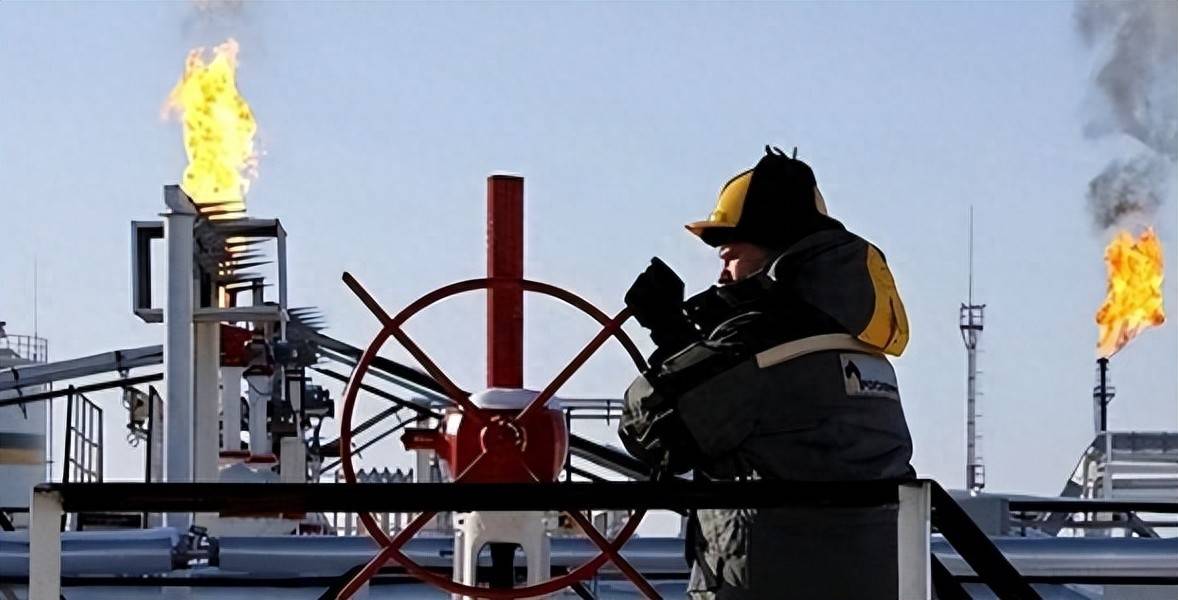
Coal Stocks Pare Gains Amid The Rare Earths Craze
Investors· 2025-10-31 16:24
Group 1 - Coal stocks have experienced a pullback recently, shedding speculative gains that had previously driven them ahead of the market [1] - A group of 13 coal companies rebounded 80% from early April lows to mid-October, with Ramaco being a notable leader in this surge [1] - The article highlights the ongoing interest in critical mineral development, as emphasized by President Trump [2] Group 2 - Alpha Metallurgical Resources has shown improved relative price strength, earning an 82 RS rating [4] - The stock market is experiencing fluctuations in leadership, raising concerns about potential investment mistakes [4] - Rare earth stocks have been impacted by U.S.-China trade deals, with further details pending [4]
稀土被中国玩明白了!万斯下通牒:或取消稀土管制或美动所有筹码
Sou Hu Cai Jing· 2025-10-31 06:29
Core Viewpoint - China's new rare earth export control measures are a strategic move that directly impacts the U.S. high-tech and defense industries, revealing the U.S.'s vulnerability in this sector [1][4][19]. Group 1: China's Rare Earth Control Measures - The new regulations require all overseas products containing more than 0.1% Chinese rare earth elements to obtain export permission from China [1]. - The measures impose strict limitations on rare earth exports for military purposes, indicating a targeted approach to control critical resources [1][4]. - China holds approximately 48% of the world's rare earth reserves and accounts for 69% of global production, giving it significant leverage [5][11]. Group 2: U.S. Dependency on Chinese Rare Earths - The U.S. relies heavily on Chinese rare earths, with 87% of its 153 main battle equipment types requiring these materials for production [4]. - The F-35 stealth fighter jet requires nearly half a ton of rare earth compounds per unit, highlighting the critical nature of these materials in defense systems [4]. - The U.S. has a dependency rate of up to 70% on Chinese rare earths, which complicates its ability to respond to China's export controls [5][11]. Group 3: U.S. Technological Limitations - The U.S. lacks mature rare earth refining and separation technology, necessitating that most mined materials be sent to China for processing [7][10]. - Even with government funding, U.S. companies like MP Materials are still far behind China's industrial standards in rare earth purification [10][13]. - The construction of a U.S. rare earth processing facility would require significant investment and face environmental regulatory challenges, making it difficult to meet domestic demand [16][19]. Group 4: Strategic Implications - The U.S. has not effectively addressed its reliance on rare earths over the past fifteen years, leading to a situation where it has limited options to counter China's control [19]. - China's control over the supply chain extends beyond rare earths to include superhard materials, crucial for the semiconductor and military industries, further solidifying its strategic advantage [21]. - Any aggressive U.S. response could destabilize the global economy, highlighting the risks associated with its dependency on Chinese resources [23].