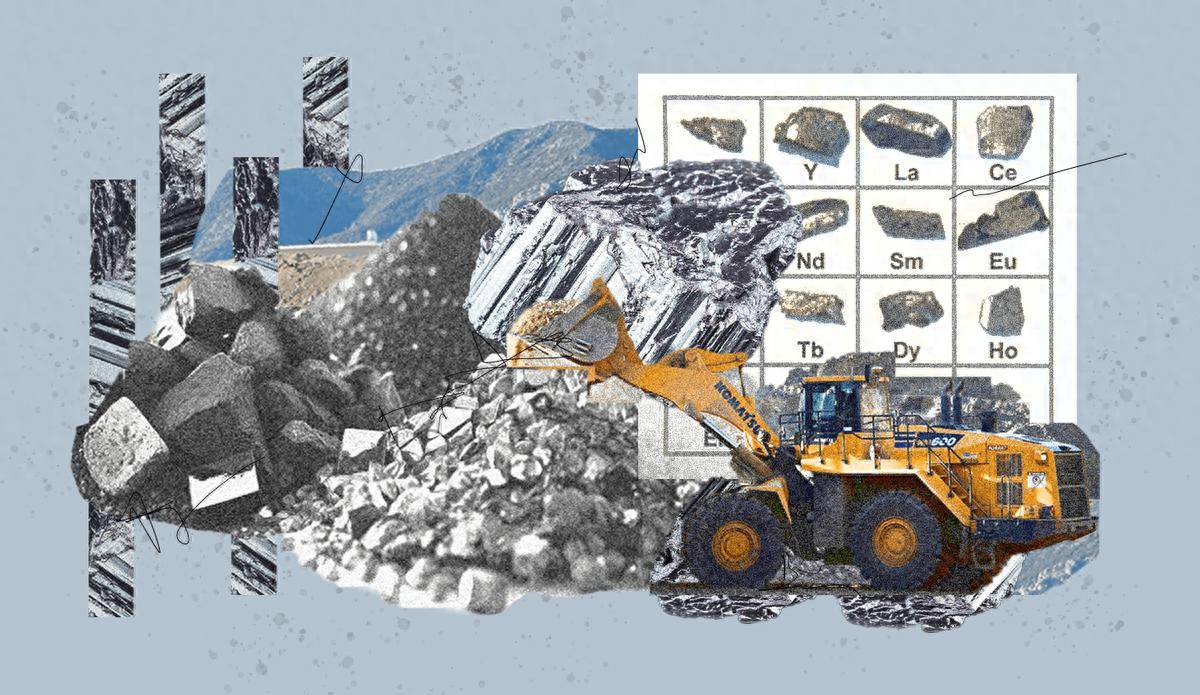
稀土出口管制

Search documents
国瓷材料(300285):高端陶瓷龙头,多元业务共驱成长
Guotou Securities· 2026-03-31 09:22
Investment Rating - The report assigns a "Buy-A" investment rating to the company with a target price of 46.8 yuan for the next 12 months [4][6]. Core Insights - The company is positioned as a leading player in high-end ceramics, benefiting from significant price disparities in yttrium oxide due to geopolitical factors, which have led to a surge in overseas prices [1][2]. - The demand for MLCC (Multi-Layer Ceramic Capacitors) is expected to grow steadily, driven by the development of consumer electronics and automotive electronics, with the company poised to capture market share through domestic substitution [2][3]. - The solid-state battery segment is anticipated to show long-term value, with the company’s precision ceramics and digital printing providing stable cash flow [3]. Summary by Sections 1. High-End Functional Ceramics - The company has been deeply engaged in high-end ceramics for 20 years, establishing a platform that opens up growth opportunities across various sectors [13]. 2. Dental Restoration - The tightening of China's export policies has highlighted the price advantages of yttrium oxide, which is essential for zirconia dental materials, leading to increased demand and market share for the company [19][21]. - The global dental restoration materials market is projected to grow from $22.89 billion in 2024 to $38.22 billion by 2032, with a compound annual growth rate (CAGR) of 6.62% [21][24]. 3. MLCC Market - The demand for MLCC is expected to rise, with the global market projected to reach 132.62 billion yuan by 2029, growing at an annual rate of 4.26% [2][3]. - The company’s market share in high-end MLCC ceramic powders is expected to increase significantly due to domestic substitution trends [2][3]. 4. Policy-Driven Upgrades - Upgrades in automotive emission standards are expected to accelerate domestic substitution, providing further growth opportunities for the company [4]. 5. Diversified Business Collaboration - The company’s precision ceramics segment is projected to generate revenue of 351 million yuan in 2024, reflecting a year-on-year growth of 41.53%, while other materials will continue to provide reliable cash flow [3]. 6. Revenue and Profit Growth - The company’s net profit is expected to grow from 698 million yuan in 2025 to 1.408 billion yuan in 2027, with a significant increase in profit margins [4][9].

全球稀土,在库存彻底耗尽之前
汽车商业评论· 2026-03-23 23:06
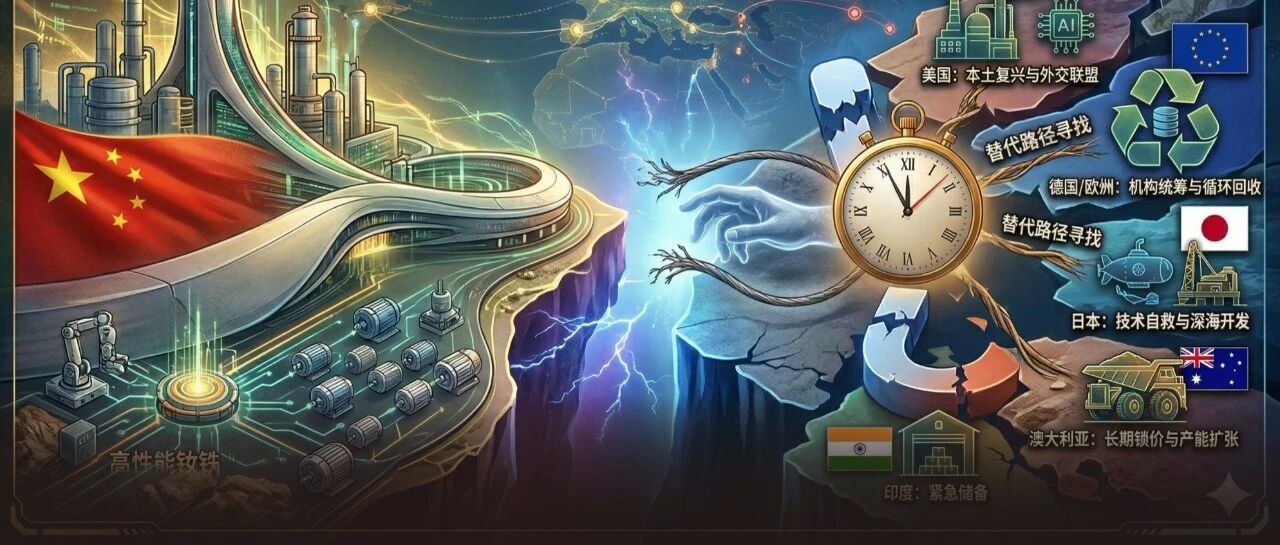
Core Insights - The article discusses the increasing tensions between Japan and the U.S. against China regarding rare earth minerals, emphasizing the need for diversification in supply chains [3][4] - China's stringent export controls on rare earths, particularly since 2025, have raised concerns about the global automotive industry's reliance on these materials [4][18] - The article highlights the challenges faced by countries seeking alternatives to Chinese rare earths, including performance, cost, and time constraints [20][21] Group 1: Japan-U.S. Cooperation - Japan and the U.S. have agreed to strengthen cooperation to diversify the supply chain of critical minerals, including rare earths [3] - The meeting in Tokyo marks a significant step in addressing the risks associated with over-reliance on specific regions for critical minerals [3][4] - The urgency for alternative sources is underscored by the fact that China controls approximately 90% of global rare earth processing capacity [4][18] Group 2: Impact of China's Export Controls - China's export controls on rare earths have been described as the most stringent in history, establishing a comprehensive control system over the entire industry chain [4][18] - The automotive industry is particularly vulnerable, with estimates suggesting that a complete halt in Chinese supplies could lead to significant production disruptions within two months [4][7] - The article compares the rare earth supply crisis to the semiconductor crisis, indicating its potential to severely impact production lines [13] Group 3: Challenges in Finding Alternatives - The performance of rare earth magnets is difficult to replicate, as they provide significant advantages in size and efficiency for electric motors [19][20] - The cost of rare earth permanent magnets produced in China is approximately 60% lower than that of foreign competitors, making it challenging for others to compete [20] - Developing new rare earth mines and refining facilities is a lengthy process, often taking 5 to 10 years, which complicates the search for alternatives [21] Group 4: Global Supply Chain Restructuring - Countries are increasingly collaborating to mitigate reliance on Chinese rare earths, with Japan and the U.S. planning joint development of rare earth resources [28][29] - The U.S. has signed multiple bilateral agreements to enhance its critical mineral supply chain, indicating a shift towards multilateral cooperation [33][34] - European countries are also exploring collaborative models to secure critical raw materials, similar to Japan's approach [35] Group 5: China's Strategic Shift - China is shifting its focus from resource control to technology control in the rare earth sector, aiming to enhance the value-added aspects of its industry [43][44] - The article notes that China's advancements in rare earth technology could solidify its dominance in the global market, even as other countries seek alternatives [51] - The establishment of a comprehensive compliance framework for rare earth exports indicates China's intent to maintain influence over global supply chains [49][51]


稀土“钇”的价格一年内飙升至140倍
日经中文网· 2026-03-14 00:33
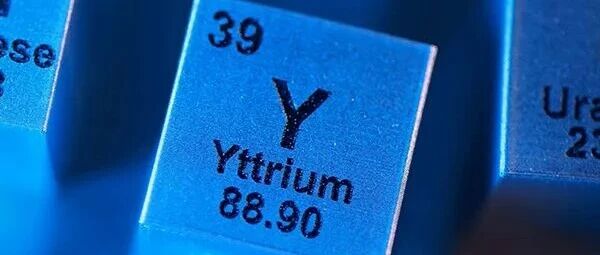
Core Insights - Yttrium, a rare earth element, has seen a dramatic price increase, reaching $850 per kilogram as of February 26, up from approximately $6 a year ago, marking a rise of about 140 times due to China's export controls [2][4][6] Group 1: Price Trends and Supply Issues - The price of yttrium has surged significantly, with the current price being the highest since 2012, driven by supply concerns stemming from China's export restrictions [4][6] - Global demand for yttrium is projected to reach approximately 13,800 tons by 2025, which is significantly higher than other rare earth elements like dysprosium and terbium [8] - China's export controls have led to a 30% year-on-year decline in yttrium exports, indicating a tightening supply situation [9] Group 2: Applications and Market Impact - Yttrium is widely used in various applications, including LEDs, medical laser devices, and as a coating material in semiconductor manufacturing, as well as in military applications to enhance the heat resistance of aircraft engines [6][8] - The rising price of yttrium poses challenges for companies reliant on it, with Japanese firms expressing difficulty in finding substitutes, although there has not yet been a significant reduction in procurement [9] - Japan's recent efforts to extract rare earths from seabed mud, which includes yttrium, are progressing, but commercial viability will take time [9]
稀土库存全面告急,英美破防:美媒:中国再不批准,谈判形同作废
Sou Hu Cai Jing· 2026-02-25 07:36
Group 1 - China has gradually strengthened export controls on rare earth elements since 2023, initially targeting dual-use materials like gallium and germanium, which has put pressure on Western companies [1] - By the end of 2023, China banned the export of rare earth extraction and separation technologies, blocking foreign companies from independent processing [1] - In response to the U.S. chip ban, China fully banned the export of strategic minerals such as gallium, germanium, and antimony by the end of 2024, prompting companies to accelerate stockpiling of rare earth resources [1] Group 2 - In April 2025, China's Ministry of Commerce announced an export licensing system for seven heavy rare earth elements, including samarium, gadolinium, terbium, dysprosium, lutetium, scandium, and yttrium, widely used in defense and high-end manufacturing [3] - The immediate cause of this policy was the tariffs imposed by the Trump administration, leading to a surge in rare earth prices, particularly dysprosium, which reached $850 per kilogram in Europe, three times the original price [3] Group 3 - Export approval processes became stricter, requiring exporters to provide detailed usage statements, with military-related requests being denied, complicating transshipment trade [4] - By early May, U.S. defense contractors reported that their inventories could only support one to two months of production needs, severely impacting the production of F-35 engine components and missile guidance systems [4] - Over 80% of U.S. defense components rely on these rare earth minerals, leading to increased costs for wind turbines and electric vehicle batteries in the UK [4] Group 4 - In May 2025, U.S. and China engaged in further negotiations in Geneva, resulting in a temporary 90-day delay of the tariff dispute, but export approvals remained strict, primarily favoring European automotive suppliers and Vietnamese electronics manufacturers [6] - Rare earth prices increased significantly, with some heavy varieties rising nearly tenfold, while certain materials became scarce [6] Group 5 - By May, U.S. companies faced near depletion of inventories, causing production halts for F-35 and missile systems, with samarium prices reaching sixty times normal levels [8] - The fragility of the current supply chain was highlighted, with U.S. dependence on refined rare earths from China reaching critical levels [8] Group 6 - In June 2025, U.S. and China held a second round of talks in London, resulting in a supplemental framework agreement, with China approving some compliant applications while maintaining strict regulations [10] - Despite some adjustments in export pace, the regulatory policies remained tight, with China expanding the control to five additional rare earth elements by October 2025 [10] Group 7 - Defense assessments indicated that F-35 jets require approximately 9,200 pounds of rare earth magnets, with U.S. dependence on China for rare earths reaching 70% for imports [12] - The tight inventory situation led to supply disruptions for contractors, while China approved civilian export licenses to alleviate demand, excluding military enterprises [12] Group 8 - As U.S.-China tensions escalated, media outlets criticized China's rare earth export controls for causing global supply shortages and price surges across various sectors, including smartphones and military equipment [14] - Analysts noted that China's policy is a tactical negotiation strategy aimed at weakening U.S. military capabilities to force concessions [14] Group 9 - Experts predict that the continuation of China's export controls will lead to rising component prices and slow down global production rates, with U.S. defense contractors facing an imminent inventory crisis [15] - Despite increased domestic development efforts in the U.S., the reliance on China's rare earth market is expected to persist for the next decade [15]
刚定下访华日程,不到1天,特朗普底牌尽失,中国发现了美国弱点
Sou Hu Cai Jing· 2026-02-25 04:46
Core Viewpoint - The U.S. Supreme Court ruled against Trump's tariff policy, declaring it illegal and invalidating tariffs imposed under the International Emergency Economic Powers Act (IEEPA), which could lead to the return of over $175 billion in tariffs to U.S. businesses [1][3][5] Group 1: Legal and Economic Implications - The Supreme Court's decision means that tariffs collected under IEEPA, which exceeded $175 billion, are now subject to refund, impacting hundreds of U.S. companies that are preparing to file lawsuits for refunds [3][5] - The ruling highlighted that the IEEPA does not authorize the President to impose tariffs without Congressional approval, undermining Trump's justification of trade deficits as a national emergency [7][9] - The Congressional Budget Office had estimated that IEEPA tariffs could generate over $1.4 trillion in revenue over the next decade, which was intended to support tax cuts, but this revenue stream is now jeopardized [7] Group 2: Trade Relations and Negotiation Dynamics - Trump's aggressive tariff strategy, which included rates as high as 145% on Chinese goods, has been significantly weakened by the Supreme Court ruling, diminishing U.S. leverage in trade negotiations with China [5][11] - The U.S. is facing a critical situation regarding rare earth elements, as China controls a significant portion of the global supply, which is vital for U.S. defense industries [13][20] - The U.S. has limited domestic capabilities to process rare earth materials, and efforts to establish alternative supply chains are projected to take years, further complicating the trade landscape [13][20] Group 3: Public Sentiment and Political Context - Approximately 60% of Americans oppose Trump's tariff policies, with nearly half believing these policies have worsened the economy, indicating a potential political backlash [15] - The upcoming visit to China is seen as a crucial opportunity for Trump to recover from the political fallout of the tariff ruling, as he seeks tangible results to present to voters ahead of the midterm elections [22][23] - The Supreme Court's ruling has altered the negotiation landscape, as it signals that the President can no longer unilaterally use tariffs as a bargaining tool, which may affect the outcomes of future trade discussions [25]

中国突然又对日本稀土出口放行?“可控释放”才是最无解阳谋!
Sou Hu Cai Jing· 2026-02-11 09:56
Core Viewpoint - The recent decision by China to allow controlled exports of rare earth materials, despite earlier restrictions, reflects a strategic move to balance economic interests and maintain market dominance while signaling compliance with international trade norms [3][5][7] Group 1: Export Regulations - China has approved export applications for seven categories of rare earths, which were reportedly submitted before the implementation of stricter controls [3] - The approval is contingent upon ensuring that the exports are for civilian use, indicating a structured approach to regulation rather than a complete policy softening [5] Group 2: Strategic Implications - The controlled release of rare earth exports serves dual purposes: inflicting some economic pain on competitors while ensuring China's dominant position in the rare earth market [7] - China's rare earth reserves account for 33.8% of the global total, with a staggering 90% share of global refining output, highlighting its critical role in the supply chain [7] Group 3: Global Supply Chain Dynamics - The decision to allow compliant exports aims to stabilize the global supply chain and prevent competitors from rapidly reducing their reliance on Chinese rare earths [5][7] - By maintaining a balance between limited exports and administrative restrictions on certain products, China seeks to keep its competitors in a challenging position while reinforcing its strategic interests [7]
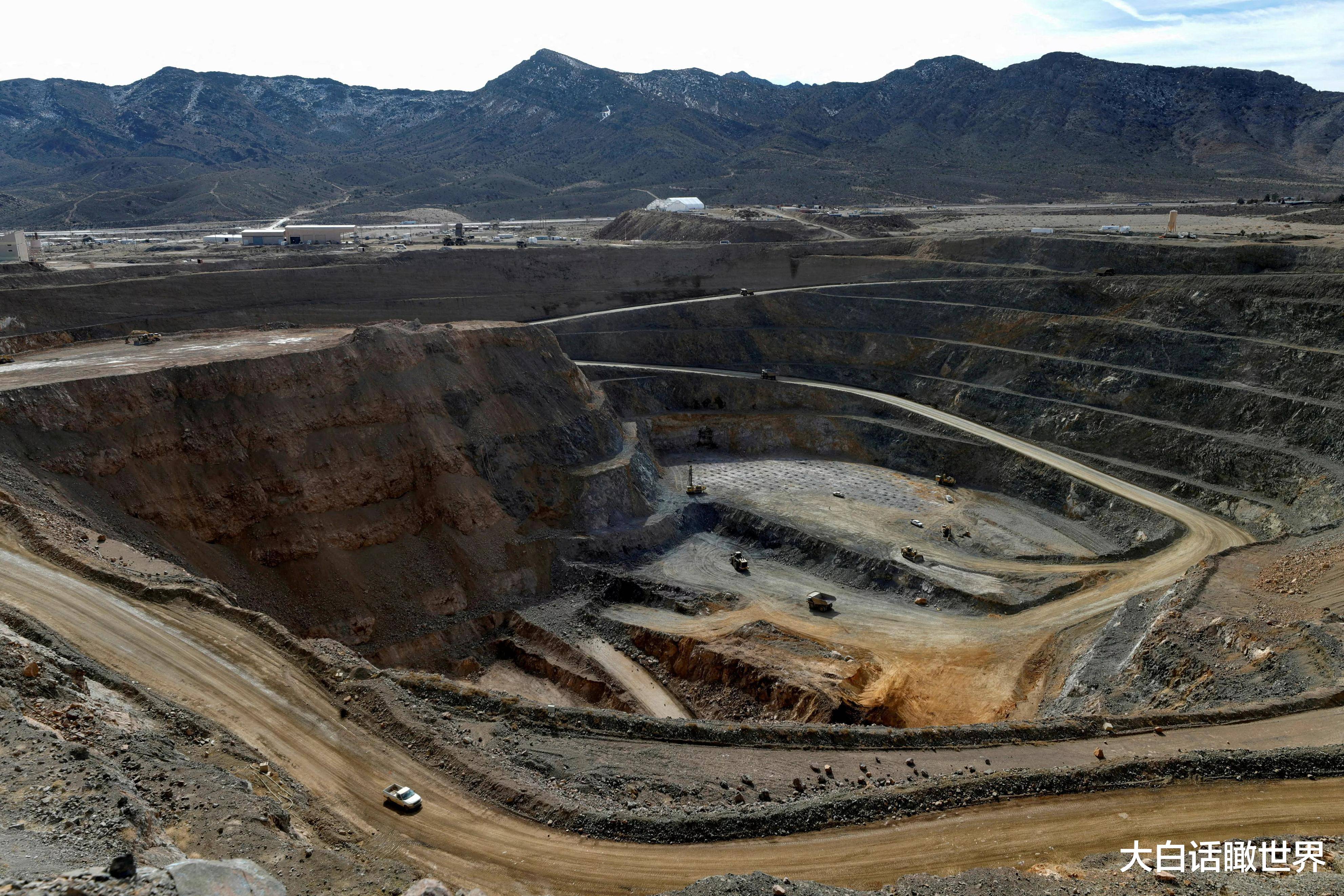
美国不当老二,中美刚吃完晚宴,特朗普砸百亿美金,要废中国王牌
Sou Hu Cai Jing· 2026-02-11 08:23
Core Viewpoint - The article discusses the escalating tensions between the U.S. and China regarding rare earth exports, highlighting China's response to U.S. tariffs and export restrictions on chips, indicating a potential for a new trade conflict [1][4][6]. Group 1: U.S. Actions and Statements - On February 2, Trump announced a $12 billion investment plan for procuring and storing critical minerals to avoid repeating the previous trade war with China [4]. - The U.S. has invested heavily in the rare earth sector since Trump's first term, including setting high protection prices for U.S. rare earth products and providing substantial loans to U.S. rare earth companies [4]. - The U.S. remains approximately 70% dependent on China for rare earths, despite efforts to develop an independent supply chain [4]. Group 2: China's Position and Response - China has implemented export controls on rare earths as a countermeasure to U.S. tariffs and restrictions, emphasizing the need for global supply chain stability [1][4]. - China's rare earth market is projected to account for nearly half of the global market, which is estimated to be $20 billion by 2025 [4]. - Current export controls from China are less stringent compared to those imposed on Japan, allowing U.S. companies to access rare earths if they can prove civilian use [4][6]. Group 3: Future Implications - If the U.S. successfully accumulates sufficient rare earth reserves or overcomes extraction technology challenges, it could lead to a significant shift in U.S.-China relations [6]. - The potential expiration of the U.S.-China tariff truce in November, coinciding with U.S. midterm elections, raises the possibility of renewed trade hostilities [4][6].
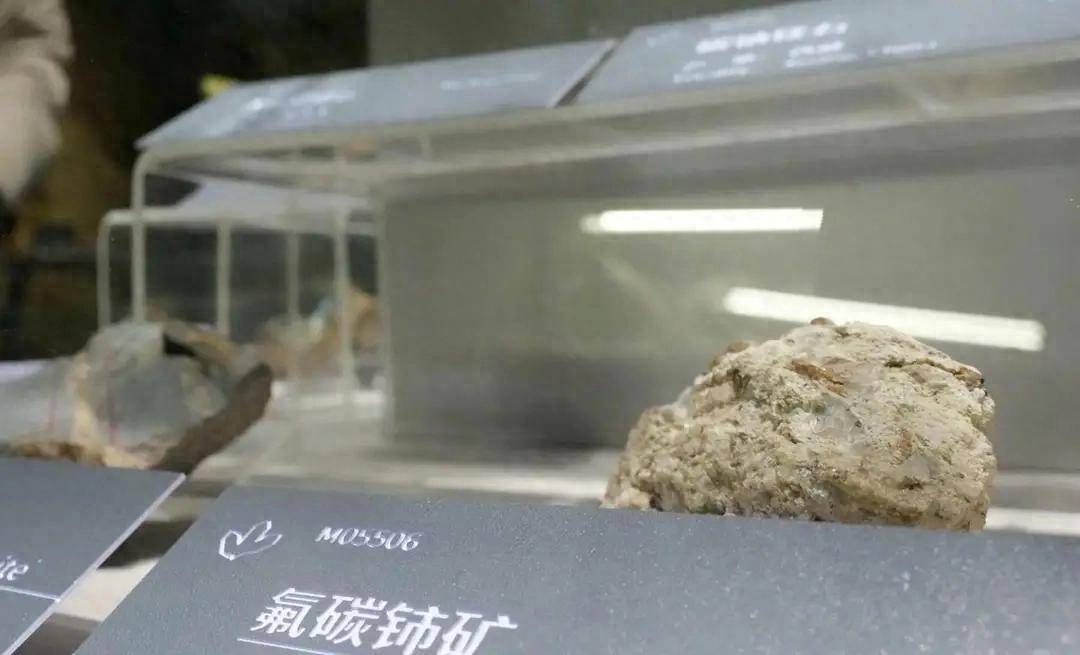
中国突然又对日本稀土出口放行?可控释放才是最无解阳谋!
Sou Hu Cai Jing· 2026-02-11 05:48
Core Viewpoint - China's recent approval of rare earth export applications, despite earlier strict export controls, reflects a strategic decision to balance economic interests and international relations, rather than a softening of its stance [3][5]. Group 1: Export Control Strategy - China has approved rare earth export applications that were submitted before the new regulations, indicating a controlled release rather than a complete ban [3]. - The approved applications include seven categories of rare earth products, emphasizing compliance with civil use conditions [3]. - This approach aims to mitigate the risk of commercial breaches due to sudden policy changes, aligning with international trade practices [3]. Group 2: Economic and Strategic Goals - China's dual objectives are to inflict pain on trade protectionist opponents while maintaining its dominant position in the rare earth market [5]. - The strategy of controlled export release helps China sustain its market leadership and avoid excessive reactions that could encourage other countries to fill supply chain gaps [5]. Group 3: Global Influence and Production Capacity - China holds 33.8% of global rare earth reserves and accounts for 90% of global refined production, showcasing its significant influence in the sector [7]. - Even rare earths mined in the U.S. often require processing in China, highlighting the country's critical role in the supply chain [7]. - China's strategy involves maintaining negotiation space while ensuring compliance in exports, thus preventing Western decoupling and signaling supply chain stability [7].
明明之前已经加强了管制,为什么中国突然又对日本稀土出口放行?
Sou Hu Cai Jing· 2026-02-08 23:46
Core Viewpoint - The Chinese government has implemented stricter export controls on dual-use items to Japan, effective immediately, which has raised concerns in Japan's industrial sector due to its heavy reliance on Chinese rare earth imports [1][3]. Group 1: Export Control Measures - The new export control measures focus on the "end use" of products rather than just the product category, prohibiting exports to military-related users or any items deemed to enhance Japan's military capabilities [3]. - Japan relies on China for over 70% of its rare earth resources, with a near 100% dependency on heavy rare earth elements essential for electric vehicle motor production [3][5]. - A study estimates that a long-term disruption in China's supply of key minerals could lead to a more than 17% drop in Japan's automotive industry output [3]. Group 2: Approval of Export Applications - Reports indicate that the approved rare earth export applications were likely submitted before the new regulations took effect, suggesting that the approvals are part of the normal processing of backlog applications [5][7]. - The Chinese government has emphasized that the export controls are "precise" and that compliant applications for civilian use will be approved [5][8]. Group 3: International Context and Reactions - The timing of the approval coincided with Japan's announcement of successful rare earth extraction from the ocean floor, which was intended to alleviate domestic industry concerns and project resource independence [10][12]. - China's response to Japan's announcement was understated, indicating a lack of concern over Japan's claims of breaking China's rare earth monopoly [14]. Group 4: Market Dynamics and Pricing - Despite the approval of some export applications, the global rare earth market continues to experience supply tightness and high prices, with Standard & Poor's predicting ongoing supply chain bottlenecks through 2026 [17]. - China controls over 90% of global rare earth refining and processing capacity, giving it a significant advantage in the market [17][19]. - The recent export control measures may lead to a bifurcation in rare earth pricing, with a significant price disparity between the "China market" and "non-China market" due to supply scarcity [19][21]. Group 5: Strategic Implications - The tightening and subsequent easing of export controls reflect China's strategy to delineate clear boundaries for Japan while maintaining its role as a key player in the global supply chain [21][23]. - Japan's long-term reliance on Chinese rare earths poses challenges, as alternative sources are not readily available, highlighting the complexities of resource independence [23][24].
没人能挑战中国稀土大国地位!日媒:海底稀土开采成本是中国数倍
Sou Hu Cai Jing· 2026-02-04 07:05
Core Viewpoint - The article discusses Japan's recent efforts to extract rare earth elements from the seabed, highlighting the challenges and costs associated with this endeavor, particularly in the context of Japan's reliance on China for these resources [3][7][11]. Group 1: Rare Earth Elements Extraction - Japan's ocean research agency successfully extracted several tons of rare earth-containing mud from the seabed at a depth of approximately 5,600 meters [3]. - The extraction process faced significant challenges, including adverse weather conditions that temporarily halted operations [3]. - The extracted rare earth mud may not meet the minimum standards required for refining, leading to concerns about its economic viability [3]. Group 2: Economic Implications - The cost of extracting rare earth mud from the South Bird Island area is reported to be several times, even tens of times, higher than the price of processed rare earth products from China [3]. - Japan's historical dependence on China for over 70% of its rare earth needs has been jeopardized due to deteriorating Sino-Japanese relations [7]. - The potential for China to impose strict export controls on rare earth elements could have devastating impacts on Japan's industrial sector, potentially leading to a halt in industrial activities within six months [7]. Group 3: Strategic Considerations - Japan's lack of large-scale land-based rare earth mining capabilities has led it to explore deep-sea extraction, but the high costs and lack of core refining technology hinder its competitive position [5]. - The article suggests that Japan may soon need to engage in negotiations with China regarding rare earth purchases, as the geopolitical landscape shifts [9]. - China's strategic control over rare earth elements positions it favorably in international relations, allowing it to leverage these resources for economic and political gain [11].