Social Media

Search documents
Meta reports mixed third quarter results
Youtube· 2025-10-29 22:20
Core Insights - Meta's stock is down approximately 6.5% following disappointing earnings, attributed to a combination of a tax hit and increased expenses [1][2] - The company reported strong revenue growth, beating expectations for the quarter, with ad revenues showing a growth of over 20% in Q3 and a similar outlook for Q4 [3][8] - Capital expenditures (capex) guidance has increased to between $70 billion and $72 billion, raising concerns among investors about the rationale behind this spending [4][10] Financial Performance - Meta's revenue for the quarter exceeded expectations, with ad revenues growing significantly [3][8] - The guidance for Q4 suggests continued strong revenue growth, with expectations of mid-teens growth in advertising by 2026 [8][13] - Despite the increase in capex, the company is projected to achieve around $30 in gap earnings by 2026, indicating a reasonable valuation given growth rates [9][13] Investment Strategy - The company is focusing on integrating AI into its core business, which is seen as a positive move, although there are concerns regarding the ROI on non-core investments [6][10] - There is a need for more transparency regarding how the capex will be utilized, especially in relation to AI investments [4][10] - The hardware initiatives, particularly the sunglasses partnerships, are viewed positively, while the VR segment lacks clarity on mass market adoption [11]



Meta takes $16B hit to earnings from Trump's Big Beautiful Bill, warns of higher AI costs
New York Post· 2025-10-29 22:19
Core Insights - Meta is forecasting "notably larger" capital expenses for the next year due to significant investments in AI, alongside a nearly $16 billion one-time charge that negatively impacted its third-quarter profit [1][8] - The company's third-quarter revenue grew by 26%, but this was overshadowed by a 33% increase in costs, which pressured profit margins [2] - Meta's capital expenditure is now expected to be between $70 billion and $72 billion for the year, up from a previous forecast of $66 billion to $72 billion [4][6] Financial Performance - Excluding the one-time charge, Meta's third-quarter net income would have been between $15.93 billion and $18.64 billion, compared to the reported net income of $2.71 billion [1][8] - The increase in costs is largely attributed to employee compensation, particularly for AI talent, which is expected to be the second-largest contributor to rising expenses [4][9] AI Investments - Meta has committed to substantial investments in AI, aiming for superintelligence, which involves building massive AI data centers [2][11] - The company has reorganized its AI efforts under the Superintelligence Labs unit to enhance decision-making and streamline operations [8][9] - Major tech companies, including Meta, are projected to spend a total of $400 billion on AI infrastructure this year, raising concerns about an AI bubble [10] Advertising and Market Position - Meta continues to leverage its extensive user base to drive ad revenue, utilizing an AI-optimized ad platform to enhance marketing effectiveness [5] - The company has expanded its advertising efforts on platforms like WhatsApp and Threads, competing directly with rivals such as X and TikTok [7]

Meta Platforms, Inc. 2025 Q3 - Results - Earnings Call Presentation (NASDAQ:META) 2025-10-29
Seeking Alpha· 2025-10-29 22:16
Group 1 - The article does not provide any specific content related to a company or industry [1]

Meta Stock Plunges as Profits Take $16B Tax Hit From Trump's 'One Big Beautiful Bill'
Investopedia· 2025-10-29 21:40
Core Insights - Meta's earnings report for the third quarter revealed a significant earnings miss, primarily due to a nearly $16 billion tax charge related to the "One Big Beautiful Bill" signed by President Trump, which caused a 9% drop in its stock price during extended trading [1][2][3][5][8] - The company's earnings per share (EPS) fell to $1.05, an 85% decrease year-over-year, and well below the expected $6.70 from analysts. Without the tax charge, EPS would have been $7.25, exceeding analyst expectations [3][4] - Meta's revenue increased by 26% year-over-year, reaching a record $51.24 billion, surpassing analyst projections [4] Financial Performance - The reported EPS of $1.05 is a stark contrast to the previous year's figure and highlights the impact of the tax charge [3] - Revenue growth of 26% year-over-year indicates strong operational performance despite the tax-related setback [4] - The company has raised its capital expenditures forecast to a range of $70 billion to $72 billion, reflecting ongoing investments in AI development [4][5] Future Outlook - Meta anticipates fourth-quarter revenue between $56 billion and $59 billion, which is above analyst consensus [6] - The company expects a "significant reduction" in U.S. federal cash tax payments starting in 2025, which may improve future profitability [6]

Meta Platforms(META) - 2025 Q3 - Earnings Call Transcript
2025-10-29 21:32
Financial Data and Key Metrics Changes - In Q3 2025, total revenue was $51.2 billion, up 26% year-over-year, with family of apps revenue at $50.8 billion, also up 26% [13][14] - Operating income for Q3 was $20.5 billion, representing a 40% operating margin [15] - Net income was $2.7 billion, or $1.05 per share, with a significant one-time tax charge impacting the tax rate, which was 87% [16] Business Line Data and Key Metrics Changes - Family of apps ad revenue was $50.1 billion, up 26%, with a 14% increase in ad impressions served [13][14] - Reality Labs segment revenue was $470 million, up 74% year-over-year, driven by strong demand for Quest headsets and AI glasses [14] - Other revenue from family of apps was $690 million, up 59%, primarily from WhatsApp paid messaging and Meta verified subscriptions [14] Market Data and Key Metrics Changes - Over 3.5 billion people used at least one of Meta's apps daily, with Instagram reaching 3 billion monthly active users [3][13] - Video time spent on Instagram increased by over 30% year-over-year, contributing to overall engagement growth [6][18] - Threads surpassed 150 million daily active users, with a 10% increase in time spent due to improved recommendations [3][21] Company Strategy and Development Direction - Meta aims to establish itself as a leading AI lab, focusing on building personal superintelligence and enhancing app experiences [3][4] - The company is investing heavily in AI infrastructure and models, anticipating significant growth opportunities in both existing and new products [5][11] - Meta is also focusing on improving ad performance through advanced AI ranking systems, with an annual run rate of $60 billion for automated ad solutions [25][27] Management's Comments on Operating Environment and Future Outlook - Management expressed confidence in the ongoing growth of daily active users and engagement across platforms, driven by product improvements and AI advancements [17][18] - The company expects Q4 2025 total revenue to be between $56 billion and $59 billion, with strong ad revenue growth anticipated [29] - Concerns were raised about potential regulatory impacts in the EU and U.S., which could affect future revenue [33][34] Other Important Information - Capital expenditures for Q3 were $19.4 billion, with a focus on data centers and infrastructure [17] - Free cash flow for the quarter was $10.6 billion, with $3.2 billion in stock repurchases and $1.3 billion in dividends paid [17] - The company ended the quarter with $44.4 billion in cash and marketable securities [17] Q&A Session Questions and Answers Question: Can you help us understand some early quantifiable signals from A/B tests regarding core improvements for 2026? - Management noted strong year-over-year growth in value-weighted conversion rates, indicating positive results from new ad ranking models and performance efforts [38] Question: How large is the Reality Labs revenue headwind in the Q4 guidance? - Management indicated that Q4 Reality Labs revenue is expected to be lower than last year due to the absence of new headset launches and the timing of sales [39] Question: Can you discuss your thought process regarding CapEx growth and expense growth next year? - Management is in the early stages of budgeting for 2026, emphasizing the need for increased capacity to meet growing demand, particularly for AI initiatives [44][45] Question: How do you think about the adoption and monetization path for Meta AI? - Management highlighted that over a billion people use Meta AI monthly, with increased usage correlating with model improvements, indicating a strong potential for future monetization [53][78] Question: Can you elaborate on the automation and its impact on ROI for advertisers? - Management explained that the rollout of Advantage+ has driven performance gains, allowing advertisers to optimize campaigns more efficiently [84]
Meta Platforms(META) - 2025 Q3 - Earnings Call Transcript
2025-10-29 21:32
Financial Data and Key Metrics Changes - Q3 total revenue reached $51.2 billion, up 26% year over year, with family of apps revenue at $50.8 billion, also up 26% [13][14] - Q3 operating income was $20.5 billion, representing a 40% operating margin [15] - Net income was $2.7 billion, or $1.05 per share, with a one-time tax charge impacting the tax rate, which was 87% [16] Business Line Data and Key Metrics Changes - Family of apps ad revenue was $50.1 billion, up 26%, with a 14% increase in ad impressions served [13][14] - Reality Labs segment revenue was $470 million, up 74% year over year, driven by Quest headset sales and AI glasses [14] - Average price per ad increased by 10% year over year, benefiting from improved ad performance [13] Market Data and Key Metrics Changes - Over 3.5 billion people used at least one Meta app daily, with Instagram reaching 3 billion monthly active users [3][13] - Video time spent on Instagram increased by over 30% since last year, with Reels achieving an annual run rate of over $50 billion [6][7] Company Strategy and Development Direction - The company aims to establish itself as a leading AI lab, focusing on building personal superintelligence and enhancing app experiences [3][4] - There is a strong emphasis on advancing AI recommendation systems to improve user engagement and ad performance [6][8] - The company is investing heavily in infrastructure to support AI initiatives, with capital expenditures expected to grow significantly [30][32] Management's Comments on Operating Environment and Future Outlook - Management expressed confidence in the growth of ad revenue and user engagement, driven by ongoing improvements in recommendation systems [17][18] - The company anticipates a reduction in Reality Labs revenue in Q4 due to the timing of headset sales [29] - Future investments will focus on AI capabilities and infrastructure to meet expanding compute needs [32] Other Important Information - The company ended Q3 with $44.4 billion in cash and marketable securities, and $28.8 billion in debt [17] - The tax rate for Q4 is expected to be between 12% to 15% [30] Q&A Session Summary Question: Insights on core improvements and CapEx - Management highlighted that growth in CapEx for 2026 is driven by needs in Meta Superintelligence Labs and core AI, with strong year-over-year growth in value-weighted conversion rates [37][39] Question: Reality Labs revenue headwind - Management noted that Q4 Reality Labs revenue is expected to be lower due to the absence of new headset launches and the timing of sales [40][41] Question: CapEx and expense growth impact on earnings - Management is in the process of budgeting for 2026, emphasizing the need for capacity to support AI initiatives and core business growth [44][45] Question: Consumer interaction with Meta AI - Management reported over a billion monthly users of Meta AI, with improvements in model quality leading to increased usage [54][55] Question: Adoption rates of automation tools - Management discussed the successful rollout of Advantage Plus, which automates campaign setup and optimizes ad performance [84]
Meta Platforms(META) - 2025 Q3 - Earnings Call Transcript
2025-10-29 21:30
Financial Data and Key Metrics Changes - Total revenue for Q3 2025 was $51.2 billion, up 26% year over year, with a constant currency growth of 25% [13][15] - Family of apps revenue reached $50.8 billion, also up 26% year over year, with ad revenue contributing $50.1 billion, reflecting a 26% increase [13][14] - Operating income was $20.5 billion, resulting in a 40% operating margin [16] - Net income was reported at $2.7 billion, or $1.05 per share, with a potential adjusted net income of $18.6 billion or $7.25 per share excluding a one-time tax charge [17] - Total expenses increased by 32% year over year to $30.7 billion, driven by legal expenses, employee compensation, and infrastructure costs [15][16] Business Line Data and Key Metrics Changes - Reality Labs segment revenue was $470 million, up 74% year over year, attributed to increased sales of Quest headsets and AI glasses [14] - Other revenue from the family of apps, including WhatsApp paid messaging and Meta verified subscriptions, grew by 59% to $690 million [14] - The annual run rate for video content on Instagram Reels surpassed $50 billion, with video time spent on Instagram increasing by over 30% since last year [6][14] Market Data and Key Metrics Changes - Daily active users across Meta's family of apps reached 3.5 billion, with Instagram achieving 3 billion monthly active users [3][13] - Threads app saw a significant increase, surpassing 150 million daily active users [3] - Engagement on Facebook increased by 5% and 10% on Threads due to improved AI recommendation systems [5][19] Company Strategy and Development Direction - The company aims to establish itself as a leading AI lab, focusing on building personal superintelligence and enhancing app experiences [3][4] - There is a strong emphasis on advancing open-source AI, which is expected to benefit the entire ecosystem [3] - The strategy includes front-loading capacity for AI development to prepare for potential rapid advancements in superintelligence [4][5] - The company is also focused on integrating AI into its advertising systems to improve performance and efficiency [8][24] Management's Comments on Operating Environment and Future Outlook - Management expressed optimism about the growth potential in AI and its applications across existing and new products [11][32] - The company anticipates continued strong ad revenue growth, although Reality Labs revenue is expected to decline in Q4 due to last year's product launch timing [30][34] - There are concerns regarding legal and regulatory challenges, particularly in the EU and U.S., which could impact future revenue [34] Other Important Information - Capital expenditures for 2025 are projected to be between $70 to $72 billion, reflecting increased investments in infrastructure and AI capabilities [31][33] - The company ended Q3 with $44.4 billion in cash and marketable securities, indicating a strong financial position [18] Q&A Session Summary Question: Can you provide insights on the early quantifiable signals from A/B tests regarding core improvements for 2026? - Management highlighted strong year-over-year growth in value-weighted conversion rates, indicating confidence in the return on investment from capital expenditures [38][40] Question: What is the expected Reality Labs revenue headwind in Q4? - Management noted that Q4 Reality Labs revenue is expected to be lower than last year due to the timing of product launches and inventory management [41] Question: How does the company plan to balance CapEx growth with core business growth and free cash flow? - The focus is on ensuring sufficient compute capacity for AI research and core business needs, with flexibility for future growth [44][46] Question: What signals are being observed regarding consumer interaction with Meta AI? - Over a billion monthly users are engaging with Meta AI, with increased usage correlating with model improvements [53][55] Question: How is the company approaching the monetization path for Meta AI? - Management is optimistic about improving engagement and monetization through enhanced AI capabilities and automation for advertisers [74][76]
Meta’s Q3 profit plunges on $16 billion one-time tax charge related to Trump's Big Beautiful Bill
MINT· 2025-10-29 21:14
Core Insights - Meta Platforms Inc. recorded a nearly $16 billion one-time charge in Q3, significantly impacting its earnings, with reported net income at $2.71 billion instead of an adjusted $18.64 billion without the charge [1] - Following the announcement, Meta's shares fell approximately 6% in after-hours trading [1] Capital Expenditure - Meta raised its full-year capital expenditure forecast to $70–72 billion from a previous range of $66–72 billion, with expectations for notably larger spending in 2026 [2] - The company plans to invest aggressively in infrastructure to meet expanding compute needs, both through building its own facilities and contracting with third-party cloud providers [2] Rising Costs - Employee compensation costs, particularly for AI hires, are expected to be the second-largest contributor to rising expenses [3] - Despite recent job cuts of around 600 in the AI division to streamline operations, Meta's investments in AI infrastructure are increasing, leading to short-term cost pressures [5][6] AI Initiatives - Meta is focused on artificial intelligence, aiming for superintelligence, and has reorganized its AI initiatives under a new unit called Superintelligence Labs [4] - The company has committed to spending hundreds of billions to develop advanced AI infrastructure, including a recent $27 billion financing deal for a data center project in Louisiana [5] Advertising Strategy - Meta leverages its 3.2 billion daily active users to enhance ad revenue through an AI-optimized ad platform that automates campaign delivery and improves ad quality [7] - The company has expanded its advertising reach to platforms like WhatsApp and Threads, competing with other social media giants [7] Industry Trends - Meta's significant investment in AI reflects a broader trend in the tech industry, with major firms expected to spend $400 billion on AI infrastructure by 2025 [8] - However, the aggressive spending amid economic uncertainty raises concerns about a potential AI bubble and scrutiny over executive decisions [9]
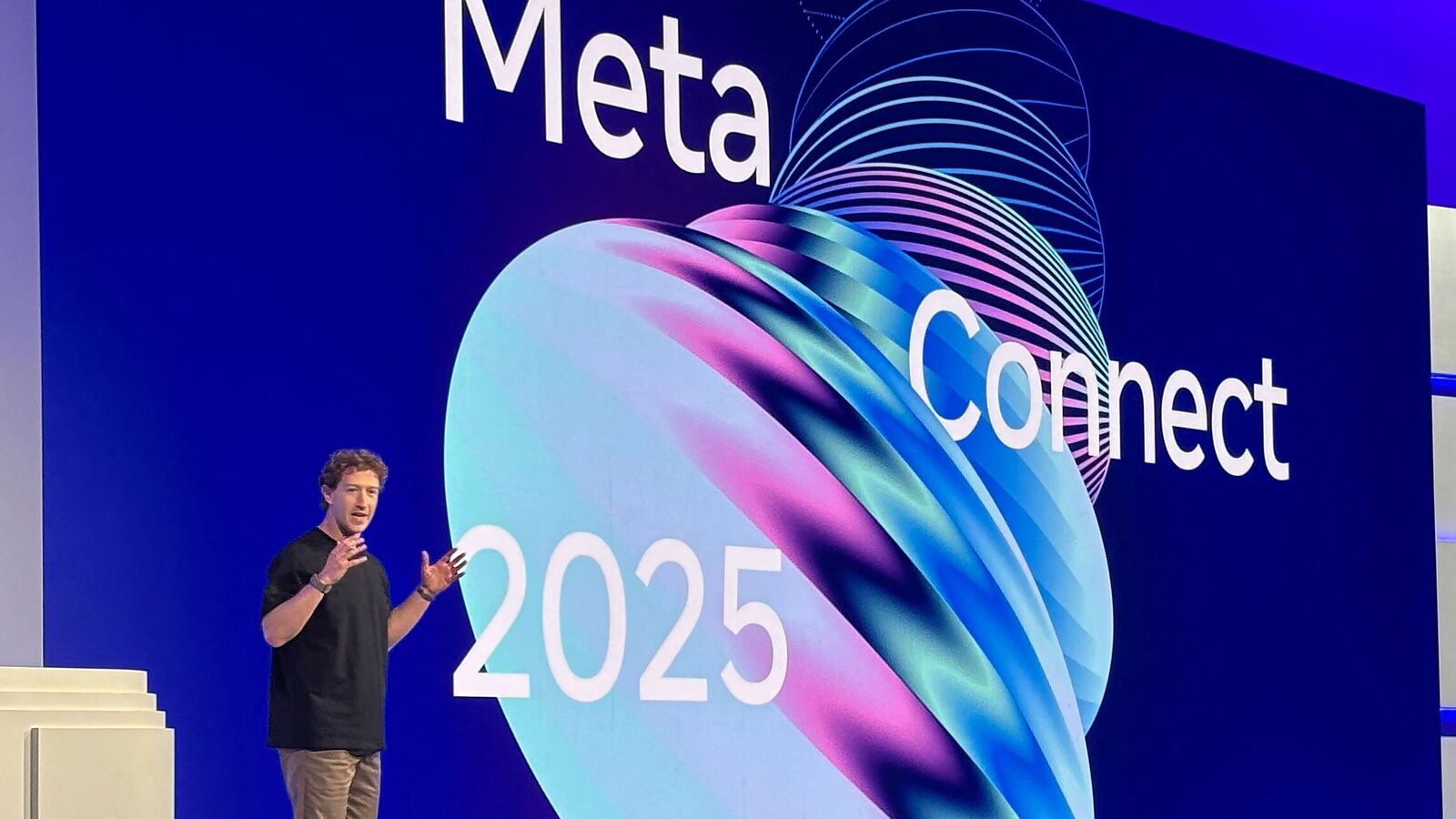
Meta reports Q3 earnings beat, company takes one-time tax charge
Youtube· 2025-10-29 21:11
that meta results are out. Stock is headed lower and we can go to Julia Borston on that right now. Julia, uh I wonder if you can see why the stock is down seven or so percent.>> Well, earnings and revenue both beat expectations. Adjusted earnings of $7.25%. That's ahead of estimates of 669, but that includes a one tax onetime non-cash income tax charge of $15.9% billion.Um but that without that one-time charge which is due to the big beautiful bill um President Trump's big beautiful deal bill that would hav ...
Meta Stock Drops After Q3 Earnings: CapEx Will Be 'Notably Larger' in 2026
Benzinga· 2025-10-29 20:43
Core Insights - Meta Platforms, Inc. reported diluted earnings per share of $1.05, impacted by a one-time, non-cash income tax charge of $15.93 billion, with adjusted earnings per share at $7.25 [1][2] - Quarterly revenue reached $51.24 billion, exceeding the Street estimate of $49.38 billion, marking a 26.25% increase from $40.58 billion in the same period last year [2][6] - Meta anticipates fourth-quarter revenue between $56 billion and $59 billion, slightly below the analyst estimate of $57.21 billion [6] Financial Performance - Total costs and expenses for the quarter were $30.71 billion, reflecting a 32% year-over-year increase [7] - Capital expenditures amounted to $19.37 billion, including principal payments on finance leases [7] - Average daily active people (DAP) reached 3.54 billion in September 2025, an 8% year-over-year increase [7] Strategic Outlook - CEO Mark Zuckerberg highlighted a strong quarter and emphasized the potential of Meta Superintelligence Labs and AI glasses, indicating an exciting future for the company [3][5] - The company expects significant growth in capital expenditures and total expenses in 2026, driven by infrastructure costs and employee compensation, particularly for AI talent [5][6]