
煤炭洗选

Search documents
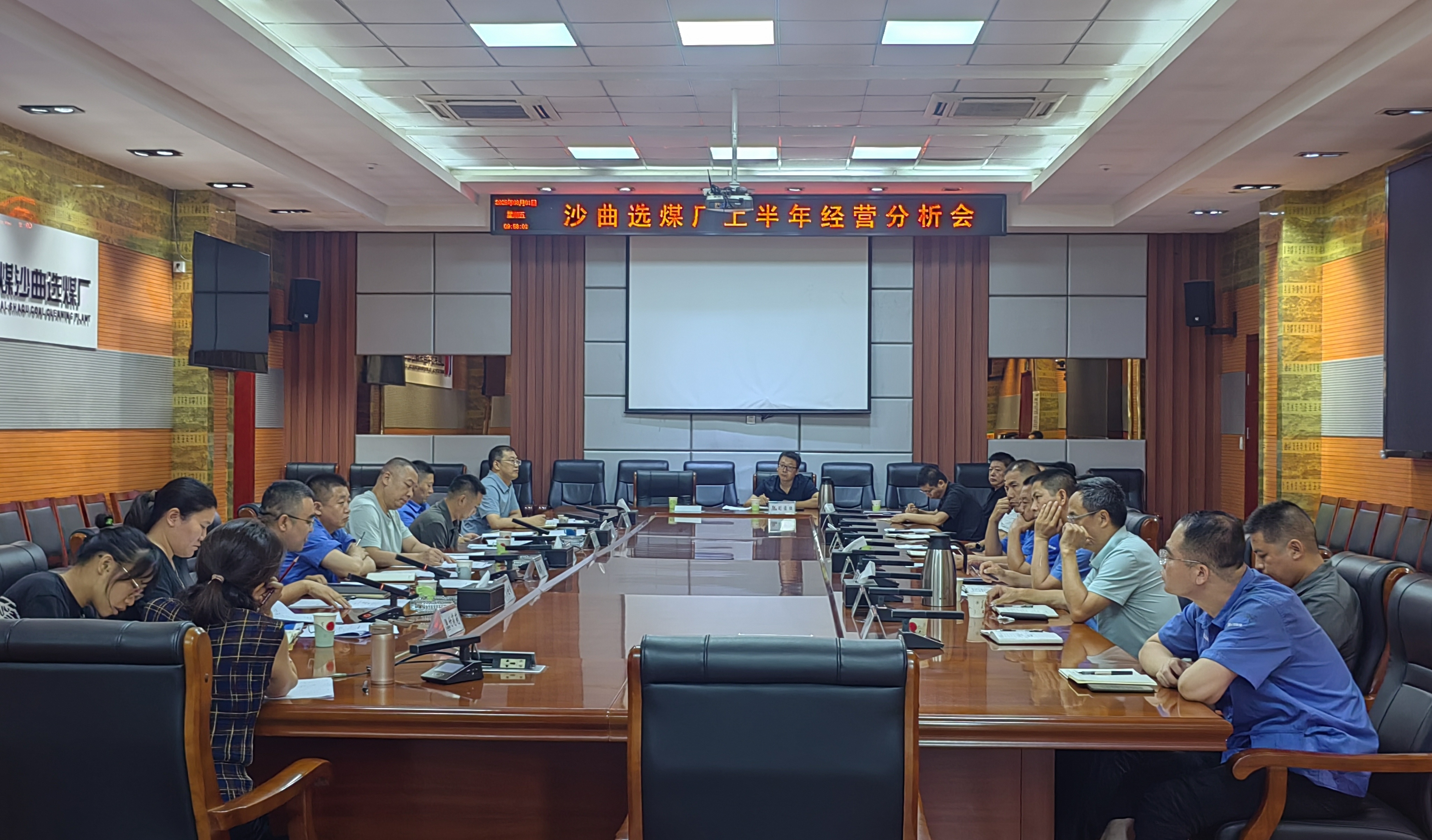
山焦华晋沙曲选煤厂:以管理“加法”换增效“乘法”
Zhong Guo Neng Yuan Wang· 2025-08-01 08:30
Core Viewpoint - The company has implemented a comprehensive cost control system to enhance cost competitiveness and achieve efficiency improvements through various measures [3] Responsibility System - A five-level cost control system has been established, ensuring that responsibilities are assigned to every position and employee, making cost control a collective responsibility [5] - The system covers all departments and levels, from factory leadership to individual teams, ensuring accountability at every level [5] Control System - The company adopts a normalized and process-oriented management approach, implementing project management for cost control with ten dedicated project teams [7] - Each project team is led by a responsible factory leader, with clear division of responsibilities to ensure ongoing management of cost control indicators [7] - This structured approach enhances the efficiency and orderliness of cost control efforts, avoiding randomness and temporary measures [7] Indicator System - The company has refined its indicator system by breaking down five key performance indicators (KPIs) into 69 sub-indicators, with responsibilities assigned to ten project teams [9] - Out of these, 53 indicators are detailed at the departmental level, and 16 are assigned to workshops, focusing on critical areas such as product quality and materials [9] - The detailed breakdown includes 27 quantifiable indicators from 15 key control indicators, with 21 assigned to teams and 6 to individuals, enhancing the scientific and effective nature of cost control [9]

借助智能管理 实现精细管理 安徽淮北矿业集团临涣选煤厂创新实施“5G+工业物联系统”选煤质量智能管理法
Zhong Guo Zhi Liang Xin Wen Wang· 2025-06-26 07:56
Core Viewpoint - The Anhui Huaibei Mining Group's Linhuan Coal Preparation Plant has implemented a "5G + Industrial Internet of Things" intelligent management method for coal quality, aiming to enhance operational efficiency and product quality through advanced technology [1][4]. Group 1: Intelligent Management Implementation - The Linhuan Coal Preparation Plant has established a smart control center that displays real-time data on clean coal output, product quality, and production consumption [1]. - The plant has received multiple honors, including being recognized as an intelligent factory and a green factory in China, and is set to be included in the Ministry of Industry and Information Technology's list of 5G factories by the end of 2024 [1]. - The intelligent management system allows for precise quality control across the entire production chain, moving towards safer, more efficient, and greener operations [1]. Group 2: Technological Innovations - The industrial IoT system utilizes a virtual private network to enhance production site 5G network capabilities, supporting around 200 5G smart terminals for various applications [2]. - The intelligent raw coal blending system incorporates weighing and speed sensors to calculate hourly coal feed amounts, while the intelligent filter press system has reduced coal slurry moisture by 4.5% [2]. - The intelligent flotation system maintains the concentration of the feed within a set range, and the intelligent heavy medium system has improved the stability rate of clean coal ash content by 12 percentage points [2]. Group 3: Efficiency and Cost Savings - The intelligent loading system features automatic vehicle recognition and precise measurement, enabling one-click loading and full-process monitoring [2]. - The plant has achieved a reduction in electricity consumption per ton of coal by 11%, saving approximately 15 million kWh annually, and has decreased steam consumption by 44%, saving 14,000 tons of steam [4]. - Overall, the plant has reduced comprehensive energy consumption by over 3,000 tons of standard coal annually, resulting in cost savings of 13 million yuan [4]. Group 4: Future Development - The "5G + Industrial Internet of Things" intelligent management method aims to maximize resource utilization and increase the production of high-value clean coal [4]. - The plant plans to leverage its status as a 5G factory to promote new technologies and models across various operational areas, driving digital transformation and high-quality development [4].
