面馆

Search documents
顶峰相见 赛出地道江南好味
Xin Lang Cai Jing· 2026-01-18 23:37
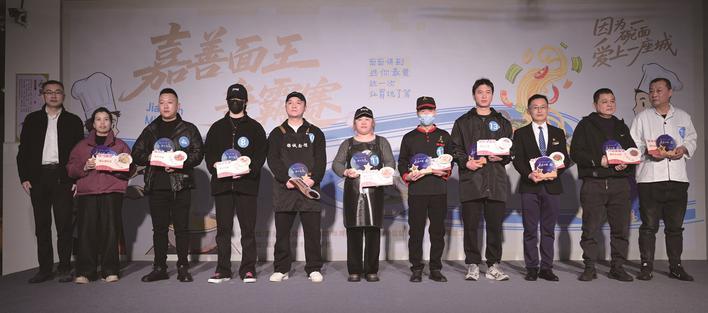
Core Viewpoint - The article highlights a competitive event featuring 20 noodle shops in Jiaxing, showcasing the rich culinary heritage and unique flavors of local noodle dishes through a multi-round tasting competition [3][4]. Group 1: Event Overview - The competition involved 20 noodle shops competing in a three-round format, emphasizing the quality of broth, handmade noodles, and local ingredients [3]. - Each bowl of noodles represents the cultural essence of Jiaxing, with a focus on traditional cooking methods and local flavors [3]. Group 2: Unique Noodle Varieties - Jiaxing's noodles are characterized by a diverse range of flavors and styles, including dry noodles with rich sauces, hearty soup noodles, and innovative fusion dishes [4]. - Notable local specialties include "Luo Guo Mian," which is individually cooked over high heat, and "Sheng Gu Mian," known for its chewy texture and sweet broth, both reflecting the region's culinary traditions [4]. Group 3: Judging Process - A professional tasting panel evaluated the noodles based on visual appeal, blind taste tests, and a final flavor showdown to determine the best noodle dishes [5]. - Ten noodle shops emerged as winners, earning the title of "Jiaxing's Ten Bowls," showcasing a mix of legendary establishments and popular new entrants [5].

和府捞面争议:“慢熬”神话撞上“快拆”现实
Xin Lang Cai Jing· 2026-01-14 03:58
Core Viewpoint - The controversy surrounding HeFu Noodle reflects a broader issue in the restaurant industry, where the gap between marketed experiences and actual practices leads to consumer distrust, particularly in the context of rising consumer rationality and capital retreat [5][12][24]. Group 1: Consumer Perception and Brand Trust - Consumers are not opposed to central kitchens or pre-prepared foods; rather, they resist brands that exploit information asymmetry to sell a false sense of "craftsmanship" at high prices [3][5]. - HeFu Noodle's marketing promises of "slow simmering" and "freshly stir-fried" are contradicted by the reality of using pre-packaged ingredients, leading to feelings of betrayal among consumers [8][10]. - The brand's struggle highlights a significant disconnect between the high-end experience it aims to provide and the industrialized, standardized reality of its operations [11][12]. Group 2: Business Model Challenges - HeFu Noodle's business model faces an inherent contradiction: it relies on standardized central kitchens for rapid expansion while simultaneously promoting a high-end, artisanal image [12][35]. - The brand's positioning as a premium offering requires higher investment in quality ingredients and customer experience, which conflicts with the need for cost control and efficiency [18][40]. - The reliance on capital for growth has exposed vulnerabilities, as the narrative of premium dining falters when consumer expectations shift towards value and authenticity [20][21]. Group 3: Market Response and Strategic Adjustments - In response to the backlash, HeFu Noodle has attempted to lower prices by 30% and introduce lower-cost product lines, signaling a shift towards a more mass-market approach [22][45]. - The introduction of sub-brands focused on fresh preparation aims to restore the brand's image of craftsmanship and authenticity [22][45]. - The brand's future may depend on prioritizing genuine customer experiences over rapid expansion, potentially requiring a reevaluation of its operational strategies [46]. Group 4: Industry Implications - The HeFu Noodle controversy serves as a warning to all restaurant brands, particularly those that have previously relied on capital-driven narratives, emphasizing the need for transparency and authenticity in consumer communications [24][39]. - As consumer preferences evolve towards valuing real product quality over marketing stories, the industry must adapt to meet these changing expectations [24][46].
谱写做精苏式生活典范的样本
Xin Lang Cai Jing· 2026-01-11 21:22
Core Viewpoint - "Yumian Tang" is a renowned Suzhou noodle shop that has successfully blended traditional craftsmanship with modern dining preferences, becoming a cultural symbol of Jiangnan cuisine and a significant player in the local food industry [1][10]. Group 1: Business Model and Success Factors - The restaurant has over 26,000 noodle shops in Suzhou, with "Yumian Tang" being a standout due to its authentic flavors and high-quality ingredients, receiving thousands of positive reviews on platforms like Dazhong Dianping and Meituan [1][5]. - The key elements of "Yumian Tang" include a rich broth made from carefully selected ingredients, traditional noodle-making techniques, and a variety of toppings that incorporate seasonal and regional flavors [2][11]. - The restaurant emphasizes exceptional customer service, providing thoughtful gestures such as complimentary tea and seasonal desserts, enhancing the dining experience [2][3]. Group 2: Cultural and Historical Significance - "Yumian Tang" has a history of 150 years, originally founded in 1876, and has become an integral part of Suzhou's culinary heritage, reflecting the city's cultural identity [6][10]. - The establishment has faced historical challenges, including destruction during wartime, but has been successfully revived by the founder's descendants, who are committed to preserving its legacy [7][8]. - The restaurant has been recognized as a representative of Suzhou's intangible cultural heritage, showcasing the traditional art of Suzhou noodle-making [9][11]. Group 3: Management and Future Vision - The current management involves a father-son team, with a focus on quality control and innovative practices to enhance the brand's competitiveness in the market [4][12]. - The restaurant aims to expand its cultural influence beyond Suzhou, aspiring to become a national and even global culinary symbol of Jiangnan culture [14]. - "Yumian Tang" actively engages in community and cultural activities, positioning itself as a social space that fosters cultural exchange and culinary appreciation [13][14].
和府捞面陷预制面风波,匠心慢熬变成了“料包热汤”
Sou Hu Cai Jing· 2026-01-08 10:40
Group 1 - The core issue revolves around consumer disappointment with HeFu Lao Mian's use of pre-packaged ingredients, which contradicts its marketing of "slow-cooked" and "health-focused" noodles [2][3] - HeFu Lao Mian's customer service claims that their products are made fresh daily in a central kitchen, but consumers perceive this as a misleading distinction between industrial pre-packaging and on-site cooking [3][6] - In contrast, the brand "Yu Jian Xiao Mian" faces less backlash due to its clear positioning of efficiency and affordability, with a lower average price of 27 yuan per meal, aligning consumer expectations with its offerings [4][5] Group 2 - The controversy surrounding HeFu Lao Mian highlights a growing consumer demand for transparency regarding ingredient freshness and preparation methods in the restaurant industry [6] - Despite a general decline in consumer spending, there remains a willingness to pay for authentic dining experiences, indicating that perceived value and transparency are crucial for high-end dining establishments [7] - The rising popularity of terms like "freshly cooked" and "made on-site" reflects a significant shift in consumer preferences, with a 43% increase in search volume for these keywords, emphasizing the importance of genuine culinary experiences [6]
来碗大足炸酱面
Xin Lang Cai Jing· 2026-01-07 18:15
Core Insights - The popularity of Dazhu's fried sauce noodles has surged, becoming a staple breakfast choice for locals, reflecting a shift in dietary habits from scarcity to abundance since land reform in 1988 [1] - The rise of Dazhu's fried sauce noodles is attributed to its unique blend of local flavors and the influence of tourism following the designation of Dazhu Stone Carvings as a UNESCO World Heritage site [1] Industry Overview - Dazhu's fried sauce noodle shops have proliferated, with many traditional noodle shops rebranding to attract customers, indicating a competitive market [1] - The local culinary scene is thriving, with fried sauce noodles becoming a prominent dish recommended by tour guides, showcasing its cultural significance [1] Company Practices - Local noodle shop owners emphasize the importance of quality ingredients and traditional cooking methods, with a focus on using fresh pork and high-quality oils to maintain flavor integrity [2] - The preparation of key components, such as the sauce and broth, is critical, with meticulous attention to detail in cooking times and ingredient selection to ensure a rich flavor profile [3] - The simplicity of the dish's preparation contributes to its widespread appeal, making it accessible for home cooking while still being suitable for dining out [3]
和府捞面被曝汤底浇头均是袋装,只有面是现煮的,客服回应
Di Yi Cai Jing· 2026-01-07 13:45
Group 1 - The core issue revolves around consumer complaints regarding the high price of He Fu Lao Mian, which is perceived as overpriced for pre-packaged ingredients, leading to a social media backlash [2][3] - He Fu Lao Mian's customer service clarified that the ingredient packages are produced and delivered by a central kitchen, asserting they do not fall under the category of pre-prepared dishes as defined by the market regulatory authority [3] - The company has previously faced controversy over the use of pre-prepared ingredients, with its founder emphasizing the challenges of maintaining food safety and quality with on-site cooking by individual chefs [3] Group 2 - He Fu Lao Mian is recognized as a unicorn enterprise in China, with a market value of 7 billion and a presence in 80 cities, operating over 600 stores and boasting more than 40 million members [3] - The parent company, Jiangsu He Fu Catering Management Co., Ltd., was established in August 2012 and has received seven rounds of financing, setting a record for the highest funding in the Chinese noodle restaurant sector [4] - The financing environment for new-style noodle restaurants has declined in recent years, leading to a contraction in the number of stores for several brands, including He Fu Lao Mian, which has implemented price reductions to attract consumers [4]
后厨全是塑料袋!从西贝到和府捞面:高价餐饮为何总陷“预制”漩涡?
新浪财经· 2026-01-07 09:56
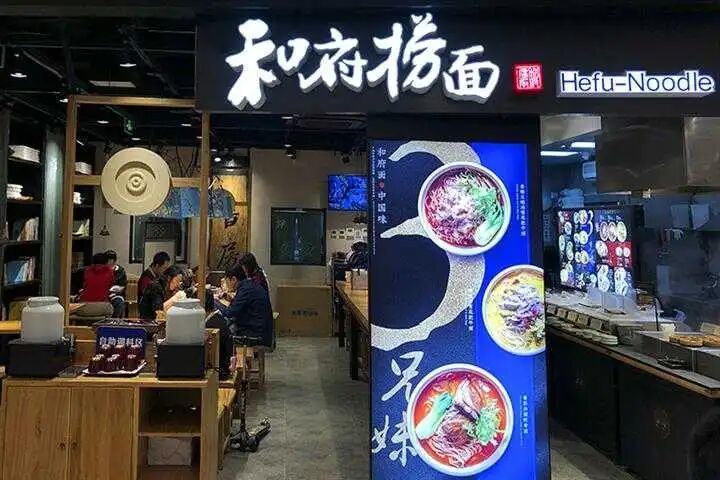
Core Viewpoint - The controversy surrounding HeFu LaoMian's use of pre-packaged ingredients has sparked consumer backlash, highlighting a mismatch between high pricing and expectations for freshly made dishes [3][5][8]. Group 1: Consumer Concerns - Consumers have reported seeing pre-packaged ingredients in the kitchen, leading to dissatisfaction with the perceived value of the meals priced at 30-40 yuan [5][7]. - Some customers feel misled by the brand's positioning as a "health-focused" restaurant, expecting fresh preparation rather than pre-packaged components [5][8]. - There is a division among consumers, with some supporting the use of pre-packaged ingredients for consistency and speed, while others criticize the high prices associated with such offerings [5][14]. Group 2: Financial Performance - HeFu LaoMian has incurred a cumulative loss of 700 million yuan from 2020 to 2022, despite claiming to achieve profitability in 2023 [15][18]. - The company has seen a slowdown in store expansion, with only 583 operational stores as of December 2025, far below the target of over 2000 stores by 2026 [18][22]. - The brand's valuation has significantly decreased from a peak of 7 billion yuan to approximately 3 billion yuan [22]. Group 3: Market Strategy - In an effort to regain market share, HeFu LaoMian has implemented a price reduction strategy, lowering the price range of main products by about 30% [22]. - The company is exploring new growth avenues, including the introduction of "HeFu Small Noodles and Small Wine" as a side line [22]. - Despite plans for an IPO in Hong Kong, the company has not made significant progress towards this goal [22].
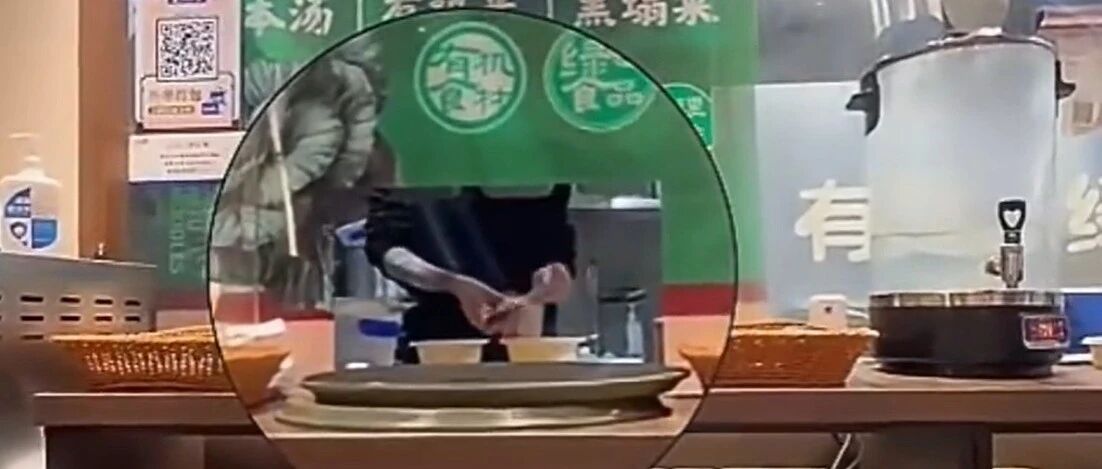
和府捞面被曝部分浇头汤底是袋装产品,官方回应“都是当天制作”
Sou Hu Cai Jing· 2026-01-07 03:12
Core Viewpoint - Recent consumer complaints have emerged regarding HeFu LaoMian, with customers expressing dissatisfaction over the high prices for what they perceive as pre-packaged meals, despite the brand's emphasis on health-oriented offerings [1] Group 1: Consumer Feedback - Multiple consumers reported that the average price of HeFu LaoMian is around 30-40 yuan, but the ingredients and broth are pre-packaged, leading to claims of overpriced instant noodles [1] - A customer in Jinan observed staff using pre-packaged ingredients to prepare meals, which contradicted the brand's health-focused image [1] Group 2: Company Response and Previous Issues - HeFu LaoMian responded to the criticism by stating that their products are made fresh daily and are not considered pre-packaged meals, as they are delivered from a central kitchen [1] - The company has faced previous scrutiny, including fines for advertising violations, indicating a history of regulatory challenges [1][3] Group 3: Company Background and Financials - HeFu LaoMian is recognized as a unicorn company with a market value of 7 billion yuan, backed by notable investors such as Tencent and Alibaba, and operates over 600 stores across 80 cities in China [4] - The company was founded in 2012 with a registered capital of 15.265 million yuan and has undergone multiple rounds of financing, including a D round of 450 million yuan in November 2020 and an E round of nearly 800 million yuan in July 2021 [5]
网红面馆被立案调查多位明星曾打卡
Xin Lang Cai Jing· 2025-12-22 12:09
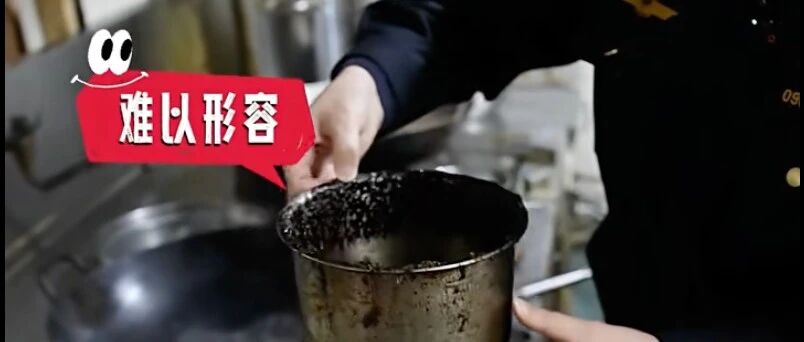
Core Viewpoint - A popular noodle restaurant in Shanghai, "Mingcheng Yellow Fish Noodle Restaurant," is under investigation by the Xuhui District Market Supervision Bureau due to serious hygiene violations in its kitchen [1] Group 1: Investigation Details - The restaurant was found to have a dirty and chaotic kitchen environment, with issues such as a filthy floor, unidentifiable disinfection cabinet plugs, and dirty condiment jars [1] - Expired ingredients were discovered, including rotten tomatoes and outdated tofu and dried bean curd [1] - The Xuhui District Market Supervision Bureau has initiated a formal investigation based on the findings from the inspection [1] Group 2: Public Reaction and Impact - The restaurant has been frequented by various influencers and celebrities, attracting many tourists to Shanghai [1] - Following the exposure of the restaurant's unsanitary conditions, there has been a public outcry for stricter enforcement of food safety regulations [1]
100元一碗的面馆,被立案调查!后厨画面曝光,地面包浆、食材变质过期......
第一财经· 2025-12-22 11:35
Core Viewpoint - The article highlights the regulatory actions taken by the Shanghai Xuhui District Market Supervision Bureau against a popular restaurant, "Mingcheng Yellow Fish Noodle Shop," due to serious hygiene violations and the use of expired food ingredients [1][3][5]. Group 1: Regulatory Actions - The Xuhui District Market Supervision Bureau conducted an enforcement inspection at the "Mingcheng Yellow Fish Noodle Shop," revealing a dirty kitchen environment and unclean food preparation areas [3]. - During the inspection, expired food items were discovered, including rotten tomatoes and expired tofu, leading to a formal investigation by the authorities [5][8]. - The restaurant has been placed on the Xuhui District's dining red and black list due to these violations [10]. Group 2: Financial Implications - According to relevant laws and regulations, the use of expired food materials can result in the confiscation of illegal gains, with fines ranging from 50,000 to 100,000 yuan for violations involving goods valued under 10,000 yuan [8].