Residential Real Estate

Search documents
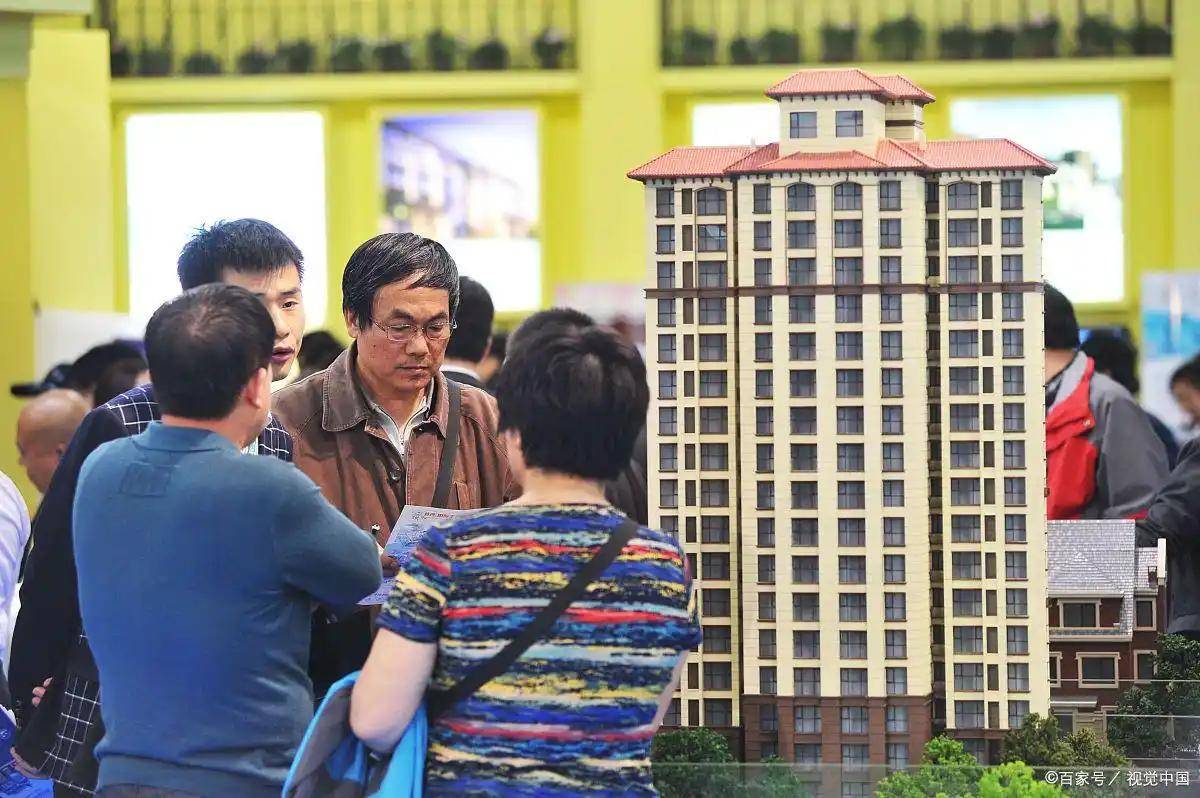
购房选楼层为什么买单不买双?听内行人一席话恍然大悟!
Sou Hu Cai Jing· 2025-10-30 13:25
Core Insights - The article emphasizes the importance of selecting the right floor and building when purchasing a home, highlighting various factors that influence this decision [1] Group 1: Floor Selection Considerations - Buyers generally avoid top and low floors due to concerns about heat insulation, water leakage, and poor lighting [1] - Low floors may lack sufficient sunlight and ventilation, leading to issues like humidity and pest infestations [1] - Equipment floors, often located on the top or between the 10th to 20th floors, can introduce noise and radiation pollution, making them undesirable [3] Group 2: Cultural Beliefs and Practical Factors - There is a cultural belief among some buyers to prefer odd-numbered floors (1st, 3rd, 5th) over even-numbered ones (2nd, 4th, 6th) based on traditional feng shui principles [3] - The article notes that while these beliefs may influence some buyers, practical factors such as sunlight exposure should take precedence [3][4] Group 3: Sunlight and Health - Adequate sunlight is crucial for physical and mental health, and buyers are advised to assess sunlight exposure during the day [4] - Key recommendations for evaluating sunlight include checking conditions in winter, observing afternoon light, and ensuring the unit is in its raw state to assess natural light [4][5][6] - A reasonable distance between buildings is also essential, with a recommended distance greater than 1.2 times the height of the building to ensure proper lighting [7] Group 4: Ideal Floor Recommendations - For optimal sunlight exposure, it is suggested that tower buildings should ideally be above the 6th floor, while slab buildings should be above the 3rd floor [9] - Overall, the article concludes that selecting a floor with ample sunlight is vital for a healthy and comfortable living experience [10]


Kojamo plc’s Interim Report 1 January–30 September 2025
Globenewswire· 2025-10-30 12:00
Core Insights - Kojamo plc reported an improvement in occupancy rates, with total revenue and net rental income showing increases during the review period [1][6][12] Financial Performance - Total revenue for Q3 2025 was EUR 113.6 million, a 0.4% increase from EUR 113.2 million in Q3 2024 [5][6] - Net rental income for Q3 2025 was EUR 86.0 million, up 0.3% from EUR 85.7 million in Q3 2024, representing a margin of 75.7% [5][6] - Profit before taxes for Q3 2025 was EUR 32.8 million, down 35.2% from EUR 50.6 million in Q3 2024, influenced by a net loss of EUR 16.4 million from property valuations [5][6] - Funds From Operations (FFO) decreased by 3.3% to EUR 44.1 million in Q3 2025 compared to EUR 45.6 million in Q3 2024 [5][6] Investment and Property Management - Kojamo owned 39,001 rental apartments at the end of the review period, a decrease from 40,973 apartments the previous year [4] - Gross investments in Q3 2025 totaled EUR 13.6 million, representing 12.0% of total revenue, compared to EUR 2.2 million in Q3 2024 [5][6] - The fair value of investment properties was EUR 7.6 billion at the end of the review period, including EUR 41.8 million in properties held for sale [6] Occupancy and Market Conditions - The financial occupancy rate improved to 94.4% during the review period, with a further increase to 96.1% in Q3 2025 [6][13] - The rental market is balancing, with oversupply in the capital region but normalizing conditions in cities like Tampere and Turku [14] Strategic Developments - The company completed the sale of 44 residential properties, comprising 1,944 apartments, using EUR 200 million of the proceeds to repay loans [15] - A share buyback program was initiated, with plans to use up to EUR 75 million for buybacks [15] - A strategy review is underway to update the existing strategy, with further information expected during the financial statements publication [17] Outlook - Kojamo estimates a total revenue increase of 0-2% year-on-year for 2025, with FFO projected to be between EUR 135-141 million, excluding non-recurring costs [8][10]

Federal Government Shutdown Freezes More Than Funds as Local Housing Markets with High Share of Fed Employees Feel Impacts
Prnewswire· 2025-10-30 10:00
Core Insights - The ongoing federal government shutdown has led to localized and modest impacts on housing markets, particularly in areas with high concentrations of federal employees, such as Washington, D.C., Virginia Beach, and Baltimore [2][4] - Nationally, the median list price for homes remains stable at $424,200, with homes spending an average of 63 days on the market, and 20.2% of listings experiencing price reductions [1][10] Housing Market Trends - In September, the median list price was $424,200, showing a 0.4% increase year-over-year and remaining flat month-over-month [14] - Homes are spending an average of 63 days on the market, which is 5 days longer than the same time last year, indicating a trend towards longer selling times [12] - The number of active listings increased by 15.3% year-over-year, marking the 24th consecutive month of inventory gains, although growth has slowed in recent months [5][6] Federal Employment Impact - Federal employment is most concentrated in Washington, D.C., where 11.0% of employed residents work for the federal government, followed by Virginia Beach (7.0%), Oklahoma City (4.2%), and Baltimore (3.7%) [2] - In these metros, new listings have seen a month-over-month decline, with Washington, D.C. down 13.9%, Virginia Beach down 5.1%, and Baltimore down 2.4% [4] Price Reduction and Buyer Behavior - Price cuts are prevalent, with 20.2% of home listings having price reductions, up 1.6 percentage points from last year [10] - Buyer activity has slowed, with pending home sales down 1.9% year-over-year, indicating a cautious approach from potential buyers amid economic uncertainty [11] Regional Inventory Dynamics - Inventory growth has been observed across all four major U.S. regions, with the West seeing a 17.4% increase and the South a 17.0% increase year-over-year [7] - Despite overall inventory increases, 17 of the top 50 metros still lag at least 25% below their pre-pandemic inventory norms, with Hartford, CT, showing the least recovery at -74.0% [8] Market Conditions and Affordability - The overall housing supply remains below pre-pandemic norms, which continues to affect affordability and competition among buyers [9] - The typical list price per square foot has slightly declined, down 0.5% year-over-year, reflecting ongoing affordability challenges in the market [15]

换了5次房才明白,这4个楼层越住越舒服,妥妥的金子楼层
Sou Hu Cai Jing· 2025-10-30 05:11
Core Insights - The real estate market is showing signs of recovery with policies easing restrictions and mortgage rates dropping below 4%, prompting many first-time homebuyers to consider purchasing homes [1] Group 1: Recommended Floor Types - The ground floor with a garden is highlighted as a practical choice, offering outdoor space for activities and relatively lower prices, making it suitable for families with limited budgets [5] - The top floor with an attic is recommended for its additional usable space and improved insulation, addressing common concerns about water leakage and temperature extremes [7] - The second-to-top floor, referred to as "Phoenix House," provides excellent views, good lighting, and privacy while avoiding the issues associated with the top floor [9] - Middle floors, defined as those between one-third and two-thirds of the building's height, are favored for their balanced advantages in terms of views, lighting, and reduced noise, along with manageable stair access in case of elevator failure [11]

American Homes 4 Rent (AMH) Q3 Earnings: How Key Metrics Compare to Wall Street Estimates
ZACKS· 2025-10-30 00:31
Core Performance - American Homes 4 Rent (AMH) reported revenue of $478.46 million for the quarter ended September 2025, reflecting a year-over-year increase of 7.5% [1] - Earnings per share (EPS) for the quarter was $0.47, significantly up from $0.20 in the same quarter last year [1] - The reported revenue exceeded the Zacks Consensus Estimate of $474.98 million by 0.73%, while the EPS surpassed the consensus estimate of $0.46 by 2.17% [1] Revenue Breakdown - Core revenues amounted to $405.62 million, slightly below the four-analyst average estimate of $409.34 million, with a year-over-year change of +7.5% [4] - Non-Same-Home core revenues were reported at $47.8 million, exceeding the average estimate of $45.95 million, representing a year-over-year increase of 14.3% [4] - Tenant charge-backs reached $72.84 million, surpassing the average estimate of $65.34 million, with a year-over-year change of +7.7% [4] - Same-Home core revenues were $357.83 million, below the estimated $363.39 million, but still showing a +6.6% change compared to the previous year [4] - Net earnings per share (diluted) were reported at $0.27, exceeding the average estimate of $0.16 [4] Stock Performance - Over the past month, shares of American Homes 4 Rent have returned -1.9%, contrasting with the Zacks S&P 500 composite's +3.8% change [3] - The stock currently holds a Zacks Rank 3 (Hold), indicating potential performance in line with the broader market in the near term [3]


买房记住这4个原则,买南、买边、买三、避四,一般都不会选错楼层
Sou Hu Cai Jing· 2025-10-29 21:57
Core Insights - The article emphasizes the importance of floor selection when purchasing a property, highlighting four key principles: "buy south, buy edge, buy three, avoid four" [1][2]. Group 1: Importance of Floor Selection - A recent survey indicates that 78.3% of homebuyers consider floor factors among their top three considerations, a significant increase from less than 50% five years ago [2]. - The article discusses the implications of floor selection on living conditions, energy costs, and overall satisfaction [1]. Group 2: "Buy South" - South-facing homes receive 2-3 more hours of sunlight compared to east-west facing homes, leading to a potential 20-30% reduction in heating costs during winter [4]. - East-southeast facing homes are recommended as a secondary option, providing good sunlight exposure without the drawbacks of west-facing homes, which can increase indoor temperatures by 3-5°C during summer afternoons [4]. Group 3: "Buy Edge" - Choosing corner units (edge homes) can reduce noise complaints by 47% compared to middle units, as they typically have only one shared wall [5]. - Edge homes also benefit from approximately 20% more natural light due to having three exterior walls [5]. Group 4: "Buy Three" - Homes on the third floor and above are preferred as they avoid issues associated with lower floors, such as noise, dust, and security risks, with first-floor burglary rates being 2.5 times higher than higher floors [6][8]. - Properties on the third to sixth floors have a 15% faster turnover rate in the secondary market compared to lower floors [8]. Group 5: "Avoid Four" - The number four is associated with negative connotations in some cultures, and practical reasons suggest avoiding the fourth floor in older buildings where it may lack desirable views and convenience [10]. - In the secondary market, properties on the fourth floor have a 20% longer average transaction period and often sell for 5% less than the listing price [10]. Group 6: Special Considerations for Elevator Buildings - In elevator buildings, it is advisable to avoid the top floor due to temperature extremes and potential water leakage issues, as well as the equipment floor, which can be noisy [11]. - The ground floor is less private and prone to moisture and insect issues, while underground levels are generally unsuitable for living due to poor lighting and ventilation [11].
AMH Reports Third Quarter 2025 Financial and Operating Results
Prnewswire· 2025-10-29 20:08
Core Insights - The company reported a solid third quarter with a Core FFO per share growth of 6.2% and raised its full-year 2025 guidance midpoint by $0.01 per share to $1.87, indicating a growth of 5.6% over the previous year [3][12][17]. Financial Performance - For Q3 2025, net income attributable to common shareholders was $99.7 million, or $0.27 per diluted share, compared to $73.8 million, or $0.20 per diluted share in Q3 2024, driven by increased rents and property revenues [3][7]. - Rents and other single-family property revenues increased by 7.5% to $478.5 million in Q3 2025, up from $445.1 million in Q3 2024, supported by a larger average occupied portfolio and higher rental rates [4][12]. - Core NOI from the total portfolio rose by 9.2% to $264.3 million in Q3 2025, compared to $242.1 million in Q3 2024, attributed to revenue growth and partially offset by a 4.4% increase in operating expenses [5][12]. Same-Home Portfolio Performance - Core revenues for the Same-Home portfolio increased by 3.8% to $357.8 million in Q3 2025, driven by a 3.5% rise in Average Monthly Realized Rent per property [6][10]. - Core property operating expenses for Same-Home properties rose by 2.4% to $123.0 million in Q3 2025, leading to a Core NOI increase of 4.6% to $234.8 million [6][10]. Year-to-Date Results - For the nine-month period ended September 30, 2025, net income attributable to common shareholders was $315.2 million, or $0.85 per diluted share, compared to $275.3 million, or $0.75 per diluted share for the same period in 2024 [7][9]. - Rents and other single-family property revenues for the nine-month period increased by 8.0% to $1.4 billion, driven by a larger average occupied portfolio [8][10]. Investment and Development - As of September 30, 2025, the company owned 60,664 single-family properties, with an increase of 68 homes during Q3 2025, including 539 newly constructed homes [11][12]. - The company delivered a total of 651 newly constructed homes from its AMH Development Program in Q3 2025 [12]. Capital Structure and Liquidity - The company paid off approximately $426.1 million on its asset-backed securitization, resulting in a fully unencumbered balance sheet [13][14]. - As of September 30, 2025, the company had cash and cash equivalents of $45.6 million and total outstanding debt of $4.9 billion, with a weighted-average interest rate of 4.5% [14][25]. Guidance - The company raised its full-year 2025 Core FFO guidance to a range of $1.86 to $1.88 per share, reflecting improved expectations for Core NOI growth and financing costs [16][17].

Equity Residential(EQR) - 2025 Q3 - Earnings Call Transcript
2025-10-29 16:02
Financial Data and Key Metrics Changes - The third quarter results reflect resilience in the business despite a mixed macroeconomic environment, with strong demand and excellent resident retention, particularly in San Francisco and New York [4][6] - Year-over-year income growth for new residents was reported at 6.2%, indicating a healthy growth rate [5] - The company adjusted the midpoint of its annual same-store revenue guidance down by 15 basis points to 2.75% due to observed market conditions [7][11] Business Line Data and Key Metrics Changes - The renewal rate for the quarter was strong at 4.5%, with nearly 59% of leases renewing, contributing to the lowest reported turnover in the company's history [17] - New lease rates decreased by 1%, resulting in a blended rate increase of 2.2% for the quarter, which was at the low end of expectations [18][19] Market Data and Key Metrics Changes - San Francisco is expected to be the best-performing market in 2025, with a favorable supply setup and significant demand driven by the tech sector [8][20] - Washington, DC experienced a decline in demand and pricing power due to federal job cuts and a government shutdown, leading to increased concessions and a slight increase in turnover [22][71] Company Strategy and Development Direction - The company is focused on capital allocation, having repurchased approximately $100 million of its stock during the third quarter, while also closing on a 375-unit acquisition in Arlington, Texas [11][12] - The company plans to be selective in acquisitions due to the current valuation of its stock compared to private market asset prices [12][28] Management's Comments on Operating Environment and Future Outlook - Management expressed confidence in the long-term prospects for the business, citing a significant decline in competitive new supply expected in 2026 [14][15] - The company anticipates that if job growth reignites, it could lead to strong results in 2026, with portfolio-wide occupancy above 96% [15][32] Other Important Information - The company has implemented AI-driven tools to enhance operational efficiency, including a 50% reduction in application processing time [25][26] - The company has adjusted its full-year same-store revenue outlook to a range of 2.5%-3%, with a midpoint of 2.75% [30][32] Q&A Session Summary Question: How does the company approach forecasting next year's growth amid falling rent growth? - Management indicated that they are modeling for continued deceleration but feel positive about the setup for next year due to reduced competitive supply [35] Question: What factors influence the decision to continue stock buybacks? - The decision is influenced by the attractiveness of other investment opportunities and the availability of capital needed for acquisitions [37][39] Question: What is the current state of demand in Washington, DC? - Demand has cooled, with a decrease in urgency to sign leases and an increase in concessions, but management remains optimistic about long-term prospects due to declining competitive supply [70][72] Question: What is the outlook for rent growth in San Francisco? - Management expects strong rent growth due to a supply-demand imbalance, with rents approaching 2019 levels and incomes up 22% since then [64][74] Question: How does the company view the impact of AI on job growth in key markets? - Management believes that while AI may displace some jobs, it is also creating opportunities in related industries, contributing to overall job growth [56][61]

Equity Residential(EQR) - 2025 Q3 - Earnings Call Transcript
2025-10-29 16:00
Financial Data and Key Metrics Changes - The company reported a same-store revenue guidance adjustment down by 15 basis points to 2.75% for the year, reflecting a mixed macroeconomic environment and a seasonal decline in traffic that began earlier than usual [5][28] - The renewal rate for the quarter was strong at 4.5%, with nearly 59% of leases renewing, contributing to the lowest reported third-quarter turnover in the company's history [14][16] - The company expects a revised annual same-store NOI range of 2.1% to 2.6%, with a midpoint of 2.35%, which is 15 basis points higher than the original 2025 guidance [29] Business Line Data and Key Metrics Changes - The company experienced strong demand and excellent resident retention, particularly in San Francisco and New York, where high demand met modest supply [3][6] - New lease rates were down by 1%, resulting in a blended rate increase of 2.2% for the quarter, which was at the low end of the expected range [16][17] - The company reported a physical occupancy rate of 96.3% for the quarter, driven by solid demand and strong retention in coastal markets, excluding Washington, DC [17] Market Data and Key Metrics Changes - San Francisco is expected to be the best-performing market in 2025, with a favorable new supply setup and a significant increase in median incomes since 2019 [6][18] - Washington, DC experienced a slowdown in demand and pricing power due to federal job cuts and a government shutdown, with net effective prices down by 4% [20][66] - Competitive new supply in Washington, DC is projected to decline by 65% in 2026, which is expected to improve market conditions [12][20] Company Strategy and Development Direction - The company is focused on capital allocation, having repurchased approximately $100 million of its stock during the third quarter and closed on a 375-unit property acquisition in Arlington, Texas [10][11] - The company plans to be selective in acquisition activity due to the compelling value of its stock compared to private market assets [11] - The company is implementing AI-driven tools to enhance operational efficiency and improve resident experiences, with a focus on reducing application processing time and improving service request handling [24][25] Management's Comments on Operating Environment and Future Outlook - Management expressed confidence in the company's resilience despite macroeconomic uncertainties, citing strong demand and resident retention [3][4] - The company anticipates a solid performance in 2026, supported by a decline in competitive new supply and a favorable job market [12][13] - Management noted that the current economic environment presents challenges for forecasting demand, but the setup for next year remains positive due to reduced competitive supply [14][27] Other Important Information - The company has adjusted its full-year acquisitions and dispositions guidance to $750 million each, down from $1 billion, with most transactions already completed [11] - The company is experiencing a significant decline in competitive new supply, with a projected 35% decrease in 2026 compared to 2025 levels [12] Q&A Session All Questions and Answers Question: How does the company approach forecasting next year's growth given the current rent growth trends? - Management indicated that they are modeling for continued deceleration but feel confident about the setup for next year due to reduced competitive supply [33] Question: What factors influence the company's capital allocation decisions regarding stock buybacks versus other investment opportunities? - Management highlighted the attractiveness of existing assets and the need to balance stock buybacks with the availability of capital [34] Question: Can management provide insights on the current earn-in situation as the year ends? - Management noted that they expect to start 2026 with a similar embedded growth position as 2025, despite some deceleration observed [40] Question: What changes in renewal behavior has the company observed in light of recent market conditions? - Management reported some hesitation in renewal negotiations but maintained confidence in their centralized renewal process [42] Question: How does the company view the potential impact of AI on job growth in key markets? - Management noted that while AI's impact is uncertain, there is evidence of job growth in related industries, particularly in tech hubs like San Francisco and New York [52][55] Question: What is the outlook for the Washington, DC market in the coming months? - Management expects continued pressure on demand due to the government shutdown but anticipates a recovery as competitive supply decreases [66]
Pending-Home Sales Hold at Second-Strongest Pace This Year
WSJ· 2025-10-29 14:12
Core Insights - The number of homes going under contract in the U.S. remained unchanged in September according to the National Association of Realtors [1] Summary by Category Housing Market - The housing market showed no change in the number of homes going under contract in September, indicating a potential stagnation in buyer activity [1]