Oil

Search documents
Individual investors are chasing oil's Iran conflict surge, institutions are thinking what comes next
MarketWatch· 2026-03-15 16:00
Core Viewpoint - Individual investors are actively pursuing opportunities in oil markets due to the surge in prices driven by the Iran conflict, while institutional investors are contemplating the future implications of this situation [1]. Group 1: Market Dynamics - Global oil prices have risen to $100 per barrel, influenced by geopolitical tensions, particularly the Iran conflict and the blockage of the Strait of Hormuz [1]. - The stock market has experienced a downturn despite the Trump administration's decision to permit Russia to sell floating tankers of sanctioned crude oil [1]. Group 2: Investor Behavior - Individual investors are significantly increasing their investments in oil, motivated by the recent price hikes [1]. - Institutions are focusing on the potential future developments stemming from the ongoing conflict in Iran, indicating a more cautious approach compared to individual investors [1].

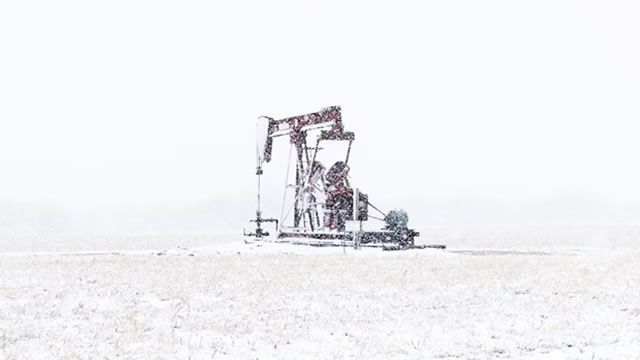
Oil prices will drop after Iran war ends ‘in the next few weeks,' Energy Secretary Chris Wright says
New York Post· 2026-03-15 14:19
Core Viewpoint - Energy Secretary Chris Wright anticipates that gas prices will remain elevated for the next few weeks due to ongoing disruptions but is optimistic that prices could fall below $3 a gallon by summer [1][6]. Gas Prices and Market Conditions - Current national average gas prices are $3.69 per gallon, having been below $3 prior to the outbreak of the war in Iran [1]. - Wright noted that gasoline prices had previously approached $5 per gallon during the Biden administration, but he does not expect a repeat of that scenario this time [5][7]. Oil Prices and Future Projections - Oil prices have been around $100 per barrel since the U.S. military action against Iran's Kharg Island, a key oil export hub [6]. - Wright expressed confidence that once the conflict in Iran concludes, there will be a rebound in oil supplies and a subsequent decrease in prices [7]. Geopolitical Factors and Supply Chain - Iranian officials have warned that oil prices could rise to $200 per barrel due to tensions in the Strait of Hormuz, a critical passage for global oil transport [7]. - Wright dismissed these warnings, emphasizing that significant energy flows through the Strait and that military actions are being taken to ensure its safety [8][11]. Strategic Responses - The International Energy Agency (IEA) plans to release 400 million barrels of oil to stabilize the market [8]. - The Trump administration is set to release 172 million barrels from U.S. oil reserves, which would lower emergency supplies to the lowest level since 1982 [10].
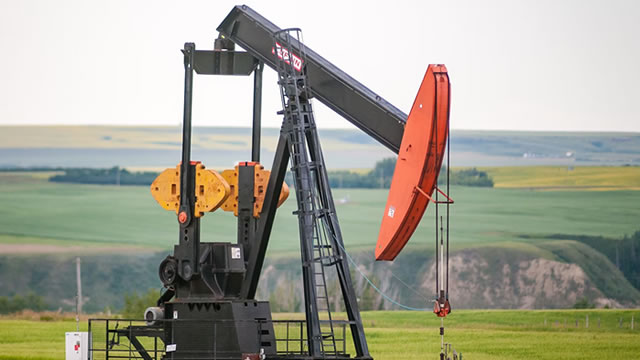
Oil loading operations at UAE's Fujairah have resumed: media reports
CNBC· 2026-03-15 09:06
Core Insights - Oil loading operations in Fujairah have resumed after a drone strike and fire disrupted activities [1][2] - Iran has threatened to target UAE infrastructure, specifically three major ports, claiming they are legitimate targets due to U.S. military presence [3][4] - Brent crude oil prices have surged over 40% since the onset of the conflict in Iran, closing above $100 per barrel for two consecutive days [5][6] Group 1: Oil Operations - The fire at the oil bunkering hub led to the temporary suspension of operations, but reports indicate that activities have now resumed [2] - ADNOC, the state oil giant of Abu Dhabi, is involved in operations at Fujairah, but did not provide immediate comments on the situation [2] Group 2: Geopolitical Tensions - Iran's judiciary news agency claimed U.S. forces are present in UAE ports, urging evacuation due to potential attacks [4] - Kharg Island, a critical economic target for Iran, is responsible for approximately 90% of the country's crude exports, with a loading capacity of around 7 million barrels per day [5] Group 3: Market Impact - The ongoing conflict has led to significant increases in oil prices, with analysts suggesting that any military action could further escalate prices [5][6]
Global Markets Shaken by Middle East Escalation as Apple Neo Debuts to Critical Acclaim
Stock Market News· 2026-03-15 07:38
Energy Sector - The Middle East conflict has led to significant volatility in the energy market, with Brent crude oil prices fluctuating between $90 and $120 per barrel due to geopolitical tensions and missile strikes [2][3] - Analysts warn that disruptions in the Strait of Hormuz, which accounts for 20% of global oil supply, could lead to sustained triple-digit oil prices [3] Inflation and Economic Impact - In Australia, the national inflation rate is projected to exceed 4.5%, primarily driven by rising oil prices, prompting warnings of increased cost-of-living pressures and potential interest rate hikes from the Reserve Bank of Australia [4] - In the UK, consumer sentiment is increasingly polarized along political lines, complicating the government's efforts to stimulate domestic spending despite broader economic recovery [5] Technology Sector - Apple has launched the MacBook Neo, priced at $600, which has been described as the company's most disruptive product in over a decade, targeting the education and senior markets [6][7] - Analysts estimate that the Neo could contribute an additional $2 billion in annual revenue to Apple's Mac segment, despite lacking the high-end processing power of the MacBook Pro [7] Infrastructure Investment - China's State Grid Corporation has reported a significant increase in investment as part of a 4 trillion yuan ($574 billion) initiative to modernize the national power grid and integrate renewable energy [8][9]


Iran War Delivers Windfall to America's Oil Country
WSJ· 2026-03-14 15:00
Core Viewpoint - Higher energy prices are creating financial benefits for certain states, aiding in budget deficit reduction and infrastructure improvements [1] Group 1 - Some states are experiencing a financial boost due to increased energy prices, which helps them address budget deficits [1] - The additional revenue from higher energy prices is being utilized to repair and maintain roads [1]
X @Bloomberg
Bloomberg· 2026-03-14 05:16
Iran warned it will target American-linked oil and energy facilities in the Middle East if its own infrastructure is attacked, reiterating its threat after the US bombed military targets on the critical outpost of Kharg Island https://t.co/H9kV0MsVu4 ...
Trump says U.S. 'obliterated' military targets on Iran's Kharg Island
NBC News· 2026-03-14 02:23
We're following breaking news on the war with Iran. President Trump posting moments ago the US has quote obliterated every military target on an Iranian island. I want to get right to NBC's Garrett Hake at the White House.Garrett, what do we know. The president says these military targets on Carg Island have all been destroyed. Car Island is a critical piece of Iran's oil infrastructure.It is far uh I guess you would call it up in the north of the Persian Gulf, north of the Straits of Hormuz that we've been ...

X @Mr hunter
GEM HUNTER 💎· 2026-03-13 21:56
RT Mr hunter (@TrueGemHunter)US OIL CLOSED ABOVE $99 🛢️What will next week give us? https://t.co/Oyat8NwTFD ...
Home Depot (NYSE:HD), State Street SPDR S&P Homebuilders ETF (ARCA:XHB)
Benzinga· 2026-03-13 20:35
Group 1: Private Credit Industry - The private credit sector has rapidly expanded over the past decade, filling lending gaps left by banks post-2008, but its structure raises questions about resilience during market stress [3] - Recent redemption pressures have highlighted vulnerabilities in the private credit sector, where managers may restrict redemptions to avoid forced asset sales, potentially unsettling investors [4] - The contagion dynamic in private credit can spread volatility beyond its market, tightening financial conditions more broadly [5][13] Group 2: Oil Market and Geopolitical Tensions - Geopolitical tensions, particularly involving Iran, have reignited volatility in oil markets, with energy prices surging due to risks to Middle Eastern supply routes [6] - The current oil price rally may reflect a geopolitical risk premium rather than a structural shift, with potential for prices to fall if conflicts are resolved [7] - Rising oil prices risk triggering cost-push inflation, squeezing consumers and complicating central bank policy decisions between tightening to contain inflation or easing to support growth [9] Group 3: Economic Implications - Government spending related to military operations can inject liquidity into the economy, with the U.S. currently spending approximately $1 billion per day, equating to about $365 billion annually or 1.3% of GDP [11] - The interaction between private credit stress and energy price spikes threatens macroeconomic stability, as higher energy costs can pressure borrowers in private credit portfolios [13][14] - The 2026 oil shock arrives at a late stage in the housing and credit cycle, with high leverage and sensitive financial conditions, suggesting a fragile long-term supply outlook in energy markets [14][15]

Think Russian oil will calm the Iran conflict's supply panic? Here's what the math reveals.
MarketWatch· 2026-03-13 20:20
Core Viewpoint - The article highlights the extensive experience of Myra P. Saefong in the commodities sector, emphasizing her role in covering market trends and insights for over 20 years [1] Group 1 - Myra P. Saefong has been with MarketWatch for 20 years, focusing on the commodities sector [1] - She has written the daily Futures Movers and Metals Stocks columns, showcasing her expertise in market analysis [1] - Since 2005, she has been contributing to the weekly Commodities Corner column, further solidifying her position in the industry [1]